
by Preparation Call Editorial Team | Aug 24, 2025 | Preparedness
Table of Contents
- Introduction: Why Preparing for Emergencies Matters in 2025
- 1. Essential First Aid Supplies
- 2. Portable Power Sources and Batteries
- 3. Non-Perishable Food and Water Supplies
- 4. Emergency Clothing and Gear
- 5. Communication Devices and Charging Solutions
- 6. Important Documents and Cash
- 7. Multi-Tool and Utility Devices
- 8. Personal Hygiene Items
- 9. Shelter and Sleeping Equipment
- 10. Emergency Contact and Planning Tools
1. Essential First Aid Supplies
Basic first aid kit essentials
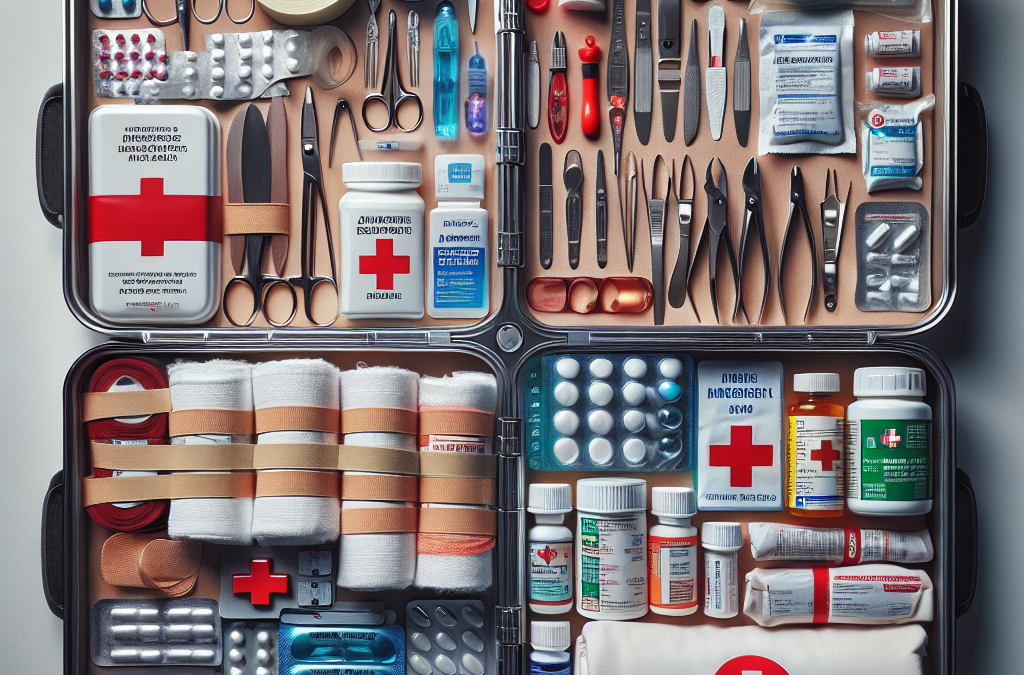
One of the top priorities when considering what to pack for emergencies is a comprehensive first aid kit. In 2025, biological threats, natural disasters, and accidents remain prevalent, making first aid supplies essential. Include bandages, antiseptic wipes, antibiotic ointments, and pain relievers. Keeping a well-stocked kit helps you respond swiftly to injuries and potentially saves lives.
It’s advisable to customize your first aid kit based on your familyâs needs, such as including allergy medications or specific prescription drugs. Remember, quality mattersâinvest in durable, medical-grade supplies that wonât easily deteriorate over time.
For added preparedness in 2025, consider digital first aid guides or apps that provide step-by-step instructions. These resources can be invaluable if you’re managing injuries under stressful conditions.
Advanced medical supplies
Beyond basic supplies, consider including advanced items like trauma dressings, tourniquets, or portable splints. These are crucial during severe emergencies where professional medical help may not be immediately available.
In 2025, home and vehicle emergency kits should be expanded to include these advanced supplies, especially if you live in areas prone to natural calamities like earthquakes or hurricanes. Proper training on how to use these items is also recommended.
Having an emergency medical guidebook or quick-reference card can help ensure correct usage during urgent situations. Remember, preparation is key to effective emergency response.
2. Portable Power Sources and Batteries
The importance of reliable power in 2025
In 2025, our dependence on electronic devices continues to growâsmartphones, GPS devices, portable radios, and medical gadgets all rely on power. During emergencies, access to power sources can be a matter of life and death, especially when traditional grids fail due to weather events or grid shutdowns.
Having portable power sources ensures communication lines stay open, critical information is accessible, and emergency devices remain operational. Backup batteries and power banks are now more efficient and longer-lasting than ever before.
Choosing the right power solution depends on your needs. For instance, solar-powered chargers are eco-friendly and ideal for long-term preparedness, especially in 2025, when renewable energy adoption is accelerating.
Best power options for 2025
Modern power sources include high-capacity power banks, portable solar panels, and even fuel-powered generators for larger needs. Before an emergency strikes, test these devices regularly to ensure they are functioning properly.
Remember to carry extra charging cables, adapters, and compatible accessories. As technology evolves, so do the charging options, so staying updated on the latest innovations can further enhance your preparedness.
In 2025, integrating power sources with smart features like battery status indicators can help manage energy use efficientlyâyou wonât want to run out of power at a critical moment.
3. Non-Perishable Food and Water Supplies
Stocking up on food essentials
During emergencies, access to fresh food may be limited or impossible. As part of what to pack for emergencies, ensuring a supply of non-perishable foods is vital. In 2025, consider incorporating advanced options like freeze-dried meals and nutrient-rich snacks that can last years without refrigeration.
Itâs recommended to store at least a 72-hour supply per person, with an emphasis on calorie-dense foods to sustain energy levels. Also, select foods that cater to dietary restrictions and preferences for better mental health during stressful times.
Explore innovative packaging that reduces waste and makes distribution easier, a trend gaining momentum in 2025, making your emergency kit both practical and sustainable.
Water purification and storage
Water is arguably the most critical resource in an emergency. The CDC recommends storing at least one gallon of water per person per day. In 2025, advances in portable water purification devices have made it easier to access clean water in crisis situations.
Consider including water filters, purification tablets, or UV sterilizers in your emergency kit. Proper storage containers that prevent contamination are also essential.
Replenish your water supply regularly, and keep multiple sources, such as bottled water and water purification systems, to ensure availability during extended emergencies.
4. Emergency Clothing and Gear
Weather-appropriate apparel
In 2025, unpredictable weather patterns mean you should pack versatile and durable clothing. Think layers that can address both cold and hot conditions, waterproof jackets, and sturdy footwear. Itâs wise to choose clothing made from quick-drying, breathable fabrics to stay comfortable and dry.
Donât forget to include extra socks and gloves to prevent frostbite or blisters, especially if you’re in colder regions or facing winter emergencies. Preparedness involves anticipating weather variations.
Packing compact or foldable clothes saves space in your emergency kit without sacrificing functionality, which is especially critical when space is limited.
Emergency gear essentials
Other vital gear includes flashlights, multi-functional jackets with integrated pockets, and reflective elements for visibility. In 2025, wearable tech such as emergency alert devices and GPS trackers enhance safety and assist rescue efforts.

Choosing high-quality gear that withstands rough conditions ensures longevity and reliability. Remember to regularly check and replace worn or outdated items.
Incorporate lightweight but durable gear to maximize your mobility and preparedness during evacuation or shelter-in-place scenarios.
5. Communication Devices and Charging Solutions
Essential communication tools
Staying connected during emergencies is crucial. In 2025, satellite phones, two-way radios, and emergency beacons are increasingly accessible and reliable, especially in remote or disaster-stricken areas. Consider adding these to your list of what to pack for emergencies.
High-frequency radios allow you to listen for official alerts and communicate with rescue teams, even when cellular networks are down.
Ensure devices are fully charged and include backup batteries or solar chargers to extend their operational life during power outages.
Charging solutions for extended survival
Power banks and solar chargers are essential for maintaining device functionality. Modern portable chargers with fast-charging capabilities and large capacities help keep your devices alive longer.
In 2025, portable energy systems with smart management features optimize charging cycles, conserving battery life for critical moments.
Practice using these devices regularly so you’re familiar with their operation when an emergency occurs, reducing stress and saving valuable time.
6. Important Documents and Cash
Protecting vital documents
One of the essential aspects of what to pack for emergencies is having access to important documents. Store IDs, passports, insurance policies, and medical records in a waterproof, fireproof container.
Digitizing documents and storing them securely on encrypted cloud servers is also a smart move in 2025. This way, vital information is accessible even if physical copies are lost or destroyed.
Create a quick-reference list of critical contact numbers and medical info, and keep it readily available in your kit.
Cash and digital payments
In many emergencies, electronic banking systems might be down. Carrying a small amount of cashâpreferably in small denominationsâensures you can purchase essentials when needed.
Some regions are increasingly adopting contactless digital payments, which are convenient but dependent on technology. Balance your preparedness by including both options.
Re-evaluate your cash reserves periodically to ensure they are current and usable in various scenarios.
Must-have multi-tools
Multi-tools combine numerous functions into one compact deviceâpliers, screwdrivers, knives, can openers, and more. They are indispensable in emergencies for repairs and improvisations.
In 2025, look for multi-tools made from durable, corrosion-resistant materials with ergonomic designs. Brands offering lifetime warranties are a good choice for this high-use tool.
Practice using your multi-tool regularly so you can operate it efficiently under stress or adverse conditions.
Other utility equipment
Items such as duct tape, paracord, and small shovels can greatly expand your emergency capabilities. Duct tape fixes broken gear, paracord can be used for shelter or securing items, and shovels help in excavation or clearing pathways.
Consider compact, lightweight versions that fit easily into your emergency kit. Remember, versatility and reliability are key attributes for survival gear in 2025.
Keeping these items organized ensures quick access when every second counts.
Conclusion
Knowing what to pack for emergencies is a vital step toward ensuring safety and resilience in 2025. By thoughtfully preparing with essential supplies, reliable technology, and strategic planning, you can face unforeseen crises with confidence. Remember, each item you include could make a difference in critical situations, and staying updated on the latest trendsâlike advanced water purification or solar power solutionsâcan enhance your preparedness. As we navigate an increasingly unpredictable world, being proactive with your emergency kit is more important than ever. Prioritize these tips, review your supplies regularly, and be ready for whatever 2025 brings!
Frequently Asked Questions
- 1. What is the most important thing to include when thinking about what to pack for emergencies?
- While all supplies are important, having a reliable source of clean water and non-perishable food should be your top priority for survival and health.
- 2. How often should I update my emergency kit in 2025?
- Review and update your emergency supplies every 6 to 12 months, checking expiration dates, battery life, and functionality of electronic devices.
- 3. What are some innovative items to include in my 2025 emergency kit?
- Consider advanced water purification systems, solar-powered chargers, lightweight multi-tools, and smart safety devices that integrate with your smartphone.
- 4. Why is it important to know what to pack for emergencies in 2025?
- Being prepared with the right supplies can significantly impact your safety, health, and ability to recover quickly from various crises, especially as new threats and challenges emerge in 2025.
by Preparation Call Editorial Team | Aug 24, 2025 | Preparedness
Table of Contents
- Stock Up on Essential Supplies
- Create a Family Emergency Plan
- Maintain an Emergency Kit
- Stay Informed with Alerts and Warnings
- Practice Regular Emergency Drills
- Boost Home Safety Measures
- Build Community Relationships
- Get First-Aid and CPR Certified
- Invest in Emergency Technology
- Continue Education and Training
1. Stock Up on Essential Supplies
Why Having a Stockpile Matters in 2025
In 2025, natural disasters and other emergencies are becoming more unpredictable due to climate change and global instability. One of the most fundamental emergency readiness tips is to stock up on essential supplies. Having enough food, water, and medication ensures you can sustain yourself and your family during disruptions.
Experts recommend storing at least a two-week supply of non-perishable food and clean drinking water for each family member. Think in terms of canned goods, boxed foods, and bottled waterâitems that have a long shelf life and require minimal preparation. This preparedness step can make a significant difference if supply chains are interrupted.
Investing in durable storage containers and organizing your supplies can help you quickly access what you need during a crisis. Remember, itâs not just about quantity but also about varietyâinclude a mix of food types and personal care products to maintain health and comfort.
Practical Tips for Stockpiling
Create a designated storage space thatâs cool, dry, and easy to access. Regularly update and rotate your stock to keep everything fresh. Additionally, consider including items like batteries, flashlights, portable chargers, and hygiene kits to cover all bases during an emergency stay-at-home or evacuation.
Keeping a detailed inventory helps you monitor expiration dates and reorder supplies before they run out. Remember, prepared supplies are one of the most effective emergency readiness tips for handling unexpected situations confidently and calmly.
2. Create a Family Emergency Plan
Develop Clear Communication Strategies
In emergencies, clear communication can be a lifesaver. Create a comprehensive family emergency plan that outlines how everyone will communicate if separated. Include multiple contact pointsâsuch as relatives or friends outside your immediate areaâso family members know whom to call.
Make sure all members are familiar with the plan, including where to meet if you need to evacuate your home. Discuss potential scenarios like natural disasters, fires, or power outages, and tailor your plan accordingly. Practice this regularly to ensure everyone feels confident in executing it under stress.
Utilize technology for updates and alertsâinstall emergency apps and configure message groups for quick communication. Remember, being proactive with your familyâs safety plan is an essential component of emergency readiness tips.
Include Emergency Contacts and Important Info
Compile a list of emergency contacts, including local authorities, hospitals, and nearby friends or relatives. Keep physical copies in your emergency kit and digital copies stored securely online. Ensuring that everyone has access to this information increases their ability to act swiftly during a crisis.
Also, include important medical information such as allergies, medications, and health conditions. Being prepared with this vital information can streamline emergency response and reduce chaos during critical moments.
3. Maintain an Emergency Kit
Key Components of a Reliable Emergency Kit
An emergency kit is more than just a bagâit’s your lifeline in a crisis. In 2025, having a well-maintained kit tailored to your familyâs needs is a top emergency readiness tip. Essentials include water, food, flashlight, batteries, first-aid supplies, and hygiene products.
Donât forget special items like prescription medications, infant supplies, pet food, and masks to adapt to evolving threats and health concerns. The kit should also include tools such as multi-purpose knives, duct tape, and a battery-powered radio to stay informed.
Regularly check your emergency kit for expired items or depleted supplies. Replenish as needed, especially after drills or emergencies, to ensure reliability when you need it most.
Storing and Accessing Your Emergency Kit
Place your kit in a designated, accessible location known to all family members. Consider having multiple kitsâone for your home, one in your car, and another at work. This preparedness measure ensures readiness no matter where an emergency occurs.
Practice retrieving and using your emergency kit periodically. Proper maintenance of your emergency kit is one of those practical emergency readiness tips that can reduce panic and improve response times during crises.
Utilize Technology for Real-Time Updates
In 2025, technology plays a crucial role in emergency preparedness. Sign up for local emergency alert systems through your city or county, and install weather and disaster apps on your mobile devices. These alerts provide instant updates on approaching storms, earthquakes, or other hazards.
Many apps also offer tailored notifications based on your location, so you receive relevant information instead of generic warnings. This immediacy allows you to make rapid decisions, such as evacuating or seeking shelter.
Incorporate alerts into your daily routineâcheck your phone regularly, especially during severe weather seasons or after significant global events. Staying informed is a vital emergency readiness tip that empowers you to act proactively.
Follow Reliable News Sources
In addition to digital alerts, monitor trusted news outlets for updates during crises. Radio, TV, and reputable online sources often provide essential context and instructions that alerts alone might not convey.
Having a diverse media diet ensures you get accurate and timely information, helping you and your family stay safe. Remember, being well-informed reduces panic and enhances your overall emergency preparedness in 2025.
5. Practice Regular Emergency Drills
The Importance of Drills in Preparedness
Practice makes perfect. Regular emergency drills help you and your family become familiar with your planned procedures, reducing panic during real incidents. In 2025, conducting tabletop exercises and full-scale drills are among the best emergency readiness tips to ensure everyone knows their role.
Simulate different scenariosâfire, tornado, winter stormâto test your planâs effectiveness and identify areas for improvement. Practice drills also help spot weaknesses in your supplies, communication, and response times.
Encourage family members to provide feedback, and update your plan accordingly. Consistent practice turns preparedness into muscle memory, which can be critical when every second counts.
Partner with Community Resources
Many communities organize emergency preparedness workshops and drills. Participating in these activities fosters cooperation and enhances overall community resilience. Building relationships with neighbors during drills can lead to coordinated efforts during real emergencies.
Remember, a well-prepared community is a safer community. Making emergency drills a routine part of your readiness plan is an indispensable emergency readiness tip for 2025.
6. Boost Home Safety Measures
Structural and Security Upgrades
Enhancing your homeâs safety features is a proactive step in emergency readiness. Reinforce doors and windows to withstand storms or intruders. Install surge protectors and backup generators to keep critical systems operational during power outages.
In 2025, smart home technology can significantly improve safetyâthink burglar alarms, security cameras, and smart locksâhelping you monitor your property remotely. These upgrades can prevent accidents and enhance your preparedness stance.
Having a safe, secure home base is a foundation of effective emergency readiness tips. It provides peace of mind and a quick refuge during a crisis.
Safety Precautions for Natural Disasters
Identify and mitigate risks specific to your regionâwhether flooding zones, earthquake fault lines, or wildfire paths. Keep emergency supplies in accessible places and ensure your homeâs infrastructure is resilient to local threats.
Develop an evacuation plan that includes safe routes and safe spots within your home where you can wait out dangers. Regularly maintain and review these safety measures to stay prepared for any 2025 emergency.
Neighborhood Preparedness Networks
Community networks are invaluable during emergencies. Get to know your neighbors and actively participate in local preparedness groups. Sharing resources, skills, and information can help everyone respond more effectively.
Organize or join community drills and workshops. Creating a neighborhood emergency plan helps coordinate efforts and reduces isolation during crises.
In 2025, strong community ties have been shown to improve survival rates and recovery timesâmaking this a key emergency readiness tip.
Local Resources and Support Systems
Identify local shelters, medical facilities, and support organizations ahead of time. Establishing these connections enables faster assistance and resource-sharing during an actual emergency.
Building these relationships increases resilience and ensures you are not facing disaster response alone. Remember, collective preparedness always outperforms individual efforts.
8. Train in First-Aid and CPR
Life-Saving Skills for All Ages
Accidents happen unexpectedly, and knowing basic first-aid can be the difference between life and death. Enroll in certified first-aid and CPR coursesâmany organizations offer virtual and in-person options in 2025.
Practicing these skills regularly keeps them sharp, especially in an emergency where quick action is needed. Itâs an effective emergency readiness tip that empowers everyone in your family or community.
Remember, being prepared with first-aid knowledge decreases dependence on emergency responders during critical moments, providing immediate aid when seconds matter.
Covering Medical Emergencies at Home and Beyond
Learn how to handle common injuries like cuts, burns, or choking. Keep a well-stocked first-aid kit tailored for different scenarios. Also, consider specialized training for family members with specific health conditions.
Preparedness is about confidenceâbeing ready to act swiftly and appropriately to ensure safety and stability for loved ones in any crisis in 2025.
9. Invest in Emergency Technology
Smart Devices and Apps for Preparedness
Technology continues to evolve, bringing new tools to enhance emergency readiness. Invest in devices like portable power banks, solar chargers, and NOAA weather radios. Use emergency preparedness apps to receive alerts and access survival guides.
Smart home systems that automatically lock doors, turn off utilities, or activate security cameras bolster your safety net against unforeseen events. These technological innovations are among the top emergency readiness tips for 2025.
Staying connected through technology means you stay informed and prepared, improving your chances of safety during unpredictable crises.
Data Backup and Communication Tools
Ensure your critical dataâmedical records, identification, insurance informationâis backed up digitally. Use encrypted cloud storage for easy access during emergencies.
Communication tools such as walkie-talkies or satellite phones can be indispensable if traditional networks fail. Combining tech solutions with physical preparedness creates a comprehensive safety approach for 2025 and beyond.
10. Continue Education and Training
Stay Updated on Best Practices
Emergency preparedness is a dynamic field, with new techniques and risks emerging constantly. Subscribe to reputable disaster preparedness blogs, attend workshops, and stay informed about the latest trends and protocols for 2025.
Continual learning ensures your knowledge remains current and effective. Itâs one of the most crucial emergency readiness tips that can dramatically improve your response capabilities.
Encourage all family members to participate in ongoing education initiatives to foster a culture of preparedness and resilience.
Develop Personal and Family Resilience
Building resilience involves mental, emotional, and physical readiness. Practice stress management, maintain physical health, and cultivate adaptability. These qualities help you cope better during crises.
Incorporate regular training sessions, review your plans periodically, and stay connected with local emergency services. Your ongoing commitment to safety will serve you well in 2025 and future years.
Conclusion
All in all, implementing these 10 emergency readiness tips will significantly enhance your ability to successfully navigate any crisis in 2025. From stockpiling supplies to staying informed and building a resilient community, each step plays a vital role in your overall preparedness plan. Remember, the key to effective emergency readiness is proactive planning, continuous education, and adaptive strategies. By taking these practical and strategic measures today, you are setting yourself and your loved ones up for safety and resilience in an uncertain world. Stay prepared, stay safe!
Frequently Asked Questions
1. What are the most important emergency readiness tips for 2025?
Stocking essential supplies, creating a family emergency plan, maintaining an emergency kit, and staying informed with alerts are among the most important tips to prepare for emergencies in 2025.
2. How often should I update my emergency supplies?
Itâs recommended to review and update your emergency supplies at least every 6 months, especially after drills or actual emergencies, to ensure everything is current and functional.
3. Why is community building an important emergency readiness tip?
Building community relationships enhances collective response efforts, resource sharing, and mutual support, which significantly increase resilience during crises.
4. How can I stay updated on new emergency preparedness strategies for 2025?
Subscribe to reputable disaster preparedness blogs, attend workshops, follow official agencies, and participate in local training sessions to stay informed about the latest strategies.
5. What role does technology play in emergency readiness tips?
Technology offers vital tools such as alert apps, smart devices, and communication systems that help you stay informed, connected, and prepared for unforeseen events.
by Preparation Call Editorial Team | Aug 24, 2025 | Preparedness
Table of Contents
- 1. Emergency Food Supplies
- 2. First Aid and Medical Kits
- 3. Water Purification Systems
- 4. Communication Devices
- 5. Power Backup Solutions
- 6. Self-Defense Gear
- 7. Portable Shelter Options
- 8. Important Documentation
- 9. Skills and Training
- 10. Community Networking
1. Emergency Food Supplies
Long-Term Food Storage Options
Having a reliable supply of emergency food is a cornerstone of preparedness essentials. For 2025, investing in freeze-dried and dehydrated foods ensures longevity and nutritional value. A typical stockpile should last at least 72 hours, but many prep experts recommend a weekâs supply or more for comprehensive readiness.
Consider foods that are calorie-dense, easy to prepare, and have a long shelf life. Grain-based products, canned vegetables, and protein sources like canned beans or meats are excellent choices. Remember to rotate your stock periodically so that nothing expires unnoticed, maintaining a fresh and effective preparedness plan.
Practical advice? Store your emergency food in cool, dark places, and invest in resealable containers to extend shelf life. In 2025, smart preppers are also exploring sustainable options such as sprouting seeds and urban gardening to supplement their supplies naturally.
Practical Tips for Building Your Stockpile
Start smallâbuilding your emergency food supplies over time makes it manageable. Keep a checklist of your stored items and set reminders for rotation. Incorporate non-perishable, child-friendly, and special diet foodsâthink gluten-free or allergy-sensitive optionsâto ensure everyoneâs needs are met.
Local emergency agencies often provide resources on recommended amounts; tailor your supplies based on household size and potential scenarios. Remember, preparedness essentials not only mean having food but ensuring itâs enough and suitable for your family during tough times.
2. First Aid and Medical Kits
Essential First Aid Supplies
Unexpected injuries require quick and effective responses. A comprehensive first aid kit should include bandages, antiseptic wipes, pain relievers, tweezers, and any necessary medications. For 2025, consider advanced kits that include tools for more serious injuries, such as tourniquets and burn dressings.
Knowing how to use these supplies is equally important. Take first aid training courses to stay prepared for common emergenciesâsomething that has become increasingly crucial with natural disasters and other unforeseen events becoming more frequent.
Tip: Customize your kit based on personal health needs, including prescriptions and allergy medications. Regularly check expiration dates and replace used or expired items to keep your preparedness essentials current and ready for action.
Importance of Medical Training
Being able to administer CPR or stop bleeding can save lives. In 2025, digital courses and virtual reality simulations make learning these skills more accessible. Invest time in training sessions to build confidence and competence.
Moreover, having a well-organized medical kit allows for quick access during emergencies, reducing stress and confusion. Your preparedness essentials should include both physical supplies and the knowledge to use them effectively.
3. Water Purification Systems
Types of Water Filters and Purifiers
Water is vital, and storing clean water is only half the battle. In 2025, portable water purification systems such as UV purifiers, ceramic filters, or advanced pump filters are among the top preparedness essentials. They ensure access to safe drinking water for your household regardless of circumstances.
Many crisis scenariosânatural disasters or grid outagesâdisrupt municipal water supplies. Investing in a multi-stage filtration system can eliminate bacteria, protozoa, and even chemicals. For example, gravity-fed filters like the Berkey are popular for their reliability and capacity.
Pro Tip: Always have backup options, such as water purification tablets or portable boiling setups, to diversify your preparedness approach and ensure continuous access to safe drinking water.
Practical Strategies for Water Storage
Store enough waterâat least one gallon per person per dayâand rotate your supplies regularly. Using food-grade containers minimizes contamination risks. Additionally, consider collecting rainwater or utilizing nearby natural sources with proper purification methods.
In 2025, smart homeowners are integrating water collection systems with filtration units into their preparedness plans, making resource management more sustainable and eco-friendly. Remember, water purification is one of the most underrated preparedness essentials, crucial for health and survival.
4. Communication Devices
Radios, Walkie-Talkies, and Emergency Alerts
Staying connected when traditional networks fail is vital. Classic battery-powered or hand-crank radios are part of the preparedness essentials, providing access to weather updates and emergency broadcasts. In 2025, consider investing in multi-band emergency radios with NOAA alerts and even solar-powered options.
Walkie-talkies are invaluable for local communication within families or communities, especially during disasters where cell signals are down. Choose models with sufficient range and backup power options.
Real-world example: During recent wildfires, residents with reliable communication devices were able to coordinate evacuations efficiently, highlighting the importance of this preparedness element.
Connectivity Alternatives for 2025
Beyond radios, satellite phones and mesh networks are gaining popularity among preppers. These tools offer alternative communication channels, ensuring you stay informed and connected regardless of infrastructure failures.
Tip: Keep spare batteries, solar chargers, and power banks handy to sustain your communication devices during extended emergencies. Planning your preparedness essentials with versatile communication tools can make all the difference in crisis scenarios.
5. Power Backup Solutions
Generators and Battery Systems
Loss of electricity can cripple essential systems. Investing in reliable power backup solutions is a key preparedness essential for 2025. Gas-powered generators provide immediate power but require storage and proper ventilation. Meanwhile, solar-powered batteries and inverters are becoming increasingly popular for sustainable energy backup.
For long-term resilience, consider integrating portable solar panels and deep-cycle batteries, enabling your home to generate and store renewable energy. These options reduce dependence on traditional grid power, which is vital during extended outages.
Pro Tip: Maintain your backup systems by performing regular maintenance and testing. Knowing your power sources work when needed is crucial, and smart energy management can help extend usage during emergencies.
Practical Energy Management Tips
Prioritize essential appliances and limit energy usage to conserve your backup power. Use power strips with surge protection and keep backup fuel supplies if you rely on gas generators. Being prepared means not just having the gear but understanding how to use it efficiently.
6. Self-Defense Gear
Essential Tools for Personal Security
Preparedness essentials also include personal safety equipment. Staple items such as pepper spray, tactical flashlights, and multi-tools provide immediate defense options. In 2025, many preppers are also exploring non-lethal defense devices and self-defense courses.
Investing in quality gear is crucial. For instance, a sturdy multi-tool can serve multiple functions, from opening canned food to minor repairs, while pepper spray offers a quick solution in threatening situations.
Important: Know the laws regarding self-defense tools in your area, and practice their use responsibly for maximum safety.
Community Defense and Training
Building community awareness and participating in local self-defense training enhances overall security. Training also improves confidence and situational awarenessâboth vital preparedness essentials for 2025.
Always remember, having the right gear coupled with practical training makes your preparedness efforts much more effective.
7. Portable Shelter Options
Durable Tents and Emergency Shelters
Having a portable shelter is a must-have preparedness essential, especially for outdoor survival or evacuations. Lightweight tents, bivvy sacks, and pop-up emergency shelters provide immediate protection from the elements.
In 2025, technological advances mean shelters are lighter, more durable, and easier to set upâmaking them perfect for quick deployment. Consider models with insect netting, waterproof coatings, and multi-season capabilities.
Tip: Store shelter gear with your other emergency supplies and practice quick setup procedures so you can deploy them swiftly when needed.
Using Shelter as a Long-Term Solution
Shelter extends beyond immediate needsâconsider kits that can be integrated with cooking setups, heating options, and sanitation systems for extended use. Being prepared in this area gives you flexibility during crises.
Many preppers also explore eco-friendly shelter options like heated yurts or insulated bivvy bags, aligning preparedness essentials with sustainability trends for 2025.
8. Important Documentation
Digital and Physical Copies
Storing vital documentsâIDs, passports, insurance policies, and medical recordsâin both digital and physical formats ensures accessibility during emergencies. Consider encrypted cloud storage and waterproof, fireproof safes for physical copies.
In 2025, digital security and backup practices are more relevant than ever, helping protect your personal data from cyber threats while providing peace of mind during crises.
Tip: Regularly update and securely encrypt your digital files, and review your physical document storage at least annually to keep everything current.
Creating a Personal Emergency Binder
Compile all important papers, emergency contacts, and healthcare info into a single binder or digital folder. Having a ready reference speeds up recovery or assistance efforts, reducing chaos during stressful times.
It’s a simple yet effective preparedness essential that adds structure and confidence to your emergency plan.
9. Skills and Training
Critical Survival Skills
Beyond gear, your skills are a fundamental preparedness essential. Learning how to start a fire, purify water, and administer first aid can dramatically increase your resilience. In 2025, online courses, local classes, and simulation training make acquiring these skills more accessible than ever.
Practicing these skills regularly ensures readiness during real emergencies. Remember, training is an investment that greatly enhances your preparedness posture.
Actionable tip: Dedicate time monthly to refresh your skillsâit’s better to be over-prepared than under-skilled.
Community and Networking
Building relationships with neighbors and local groups can provide mutual support and resource sharing. Engaging with community preparedness initiatives fosters a resilient network that benefits everyone in 2025.
Strong communication and cooperation are as vital as physical preparedness essentials in facing large-scale emergencies.
The Power of Preparedness in Community
Individual preparedness is crucial, but community efforts exponentially increase resilience. Establishing neighborhood groups or collaborating with local organizations enhances resource sharing, safety, and coordinated responseâan essential preparedness strategy for 2025.
Regular meetings, shared supplies, and joint drills can help identify gaps and improve collective readiness. Technology platforms can also facilitate communication planning and information dissemination.
Real-world example: Communities with organized preparedness plans had faster, more organized responses to recent crises, underscoring the importance of this preparedness essentials element.
Building Local Support Systems
Develop relationships with local authorities, emergency responders, and community leaders. When everyone understands their role and shares resources, the entire community benefits.
Itâs essential in times of widespread crises, where coordinated efforts can save lives and reduce chaos, making community networking one of the most strategic preparedness essentials for 2025.
Frequently Asked Questions
What are the most important preparedness essentials for 2025?
The most crucial preparedness essentials include emergency food supplies, water purification systems, first aid kits, communication devices, and backup power solutions. These form the foundation for resilient survival plans.
How can I start building my preparedness essentials in 2025?
Begin with a simple plan: identify your needs, gather essential supplies gradually, acquire necessary skills, and develop a community network. Focus on affordability, product quality, and training to maximize your preparedness.
Why are skills more important than gear alone?
Skills such as first aid, fire-making, and water purification empower you to adapt and respond effectively in crises. An informed, skilled person can make better decisions and utilize gear more efficiently, boosting overall resilience.
How often should I update my preparedness essentials?
Review and replenish your supplies at least once a year. Check expiration dates, test equipment, and stay current with new preparedness technologies and training options, ensuring your readiness remains optimal.
Is community networking a preparedness essential?
Absolutely. Building connections within your community enhances resource sharing, coordination, and collective responseâmaking it one of the most effective preparedness essentials for modern crises.
Conclusion
In 2025, being prepared extends beyond just stocking supplies. It involves understanding and embracing the vital preparedness essentials that can make all the difference during emergencies. From emergency food and water systems to communication tools and community networksâeach element plays an integral role in safeguarding yourself, your family, and your community. By staying proactive and informed, you can face challenges head-on with confidence. Remember, the key to resilience lies in your planning, skills, and the smart selection of preparedness essentials that suit your unique needs. Make 2025 the year you master these essentials and elevate your readiness to the next level.





