
by Preparation Call Editorial Team | Aug 24, 2025 | Preparedness
In a world where unforeseen emergencies can strike at any moment, having a comprehensive survival gear checklist is essential. Whether you’re prepping for natural disasters, outdoor adventures, or unexpected crises, being prepared in 2025 requires staying updated on the latest gear and strategies. This article will guide you through an extensive survival gear checklist supported by expert insights, practical tips, and the newest innovations for 2025. Keep reading to discover the top 10 essential gear items and how to prepare yourself effectively.
Table of Contents
- Introduction
- 1. Durable Backpack
- 2. Multitool and Knife
- 3. Water Purification Systems
- 4. Emergency Shelter Supplies
- 5. First Aid Kit
- 6. Lighting Equipment
- 7. Food and Cooking Supplies
- 8. Communication Devices
- 9. Power Storage Solutions
- 10. Personal Safety and Defense Items
- Frequently Asked Questions (FAQ)
- Conclusion
1. Durable Backpack
Choosing the Right Backpack for Survival
In your survival gear checklist, a durable backpack is the foundation of all your gear. For 2025, look for backpacks made from lightweight yet heavy-duty materials like ripstop nylon or carbon fiber blends. These materials provide strength without adding unnecessary weight, which is crucial when you’re carrying essential gear over long distances.
Features such as multiple compartments, hydration reservoir sleeves, and reinforced straps enhance functionality and comfort. A good backpack should distribute weight evenly, prevent chafing, and be resistant to weather elements like rain and snow.
Remember, your survival backpack should be tailored to your environment and needs. Consider the terrain and expected weather conditions when selecting the size and features. Top brands in 2025 are integrating smart technology, including GPS and solar charging panels directly into the backpack design.
Practical Tips for Backpack Maintenance
Regularly inspect your backpack for tears, worn straps, or broken zippers. Cleaning it with mild soap after outdoor use ensures longevity. During packing, prioritize lightweight gear to maximize space and reduce overall weight.
Label compartments for quick access during emergencies. A well-maintained, organized backpack can be a lifesaver when you need to grab your gear swiftly.
Investing in a high-quality, weather-resistant backpack remains a top priority on your survival gear checklist in 2025.
Essential Tools for Every Survival Scenario
A reliable multitool and a sturdy survival knife are indispensable components of your survival gear checklist. In 2025, the focus is on versatility and durability. Modern multitools integrate pliers, screwdrivers, can openers, and even small saw blades, all in a compact package.
Survival knives, especially those made from high-grade stainless steel or titanium, offer excellent edge retention and corrosion resistance. Look for features like ergonomic handles and full tang construction for maximum strength.
The combination of a multitool and a knife can help you with shelter building, food preparation, gear repairs, and self-defense. Upgrade options in 2025 include smart multitools that connect via Bluetooth to your phone for maintenance alerts and usage tips.
Proper Usage and Care
Regularly clean and sharpen your knives to keep them in peak condition. Store multitools safely to prevent accidental injuries. Practice basic techniques such as cutting, prying, and opening bottles. These skills can be crucial in survival situations and should be honed regularly.
Having both tools accessible in your backpack, clipped to your belt, or stored in an emergency kit ensures you’re always prepared when needed.
Incorporate these items into your survival gear checklist for 2025 to maximize your versatility and readiness.
3. Water Purification Systems
The Importance of Clean Water in Survival
Access to safe drinking water is a top priority on any survival gear checklist. In 2025, water purification technology has advanced significantly to include compact, portable systems suitable for any scenario. Devices such as UV purifiers, chemical tablets, and gravity filters are popular options.
Consider the capacity, weight, ease of use, and speed of purification. For instance, UV purifiers like the SteriPEN are lightweight and eliminate bacteria and viruses with a simple scan, making them perfect for backpacking or emergency kits.
In addition, integrating solid filters like ceramic or activated carbon enhances removal of sediments, heavy metals, and chemicals, which might be present in contaminated water supplies.
Best Practices for Water Purification in 2025
Always filter water first to remove particulates, then purify using UV or chemical methods. Remember to carry spare batteries or solar chargers to power electronic devices. Boiling water remains a fallback method but requires fuel and time.

Checking local water sources beforehand can save critical time during an emergency. Being prepared with the right water purification system is essential as part of your comprehensive survival gear checklist in 2025.
4. Emergency Shelter Supplies
Shelter Options for Various Environments
Your survival gear checklist must include reliable shelter supplies to ensure protection from the elements. In 2025, lightweight tents, tarp setups, and bivy sacks are designed with high-performance materials that resist wind, rain, and UV rays.
Consider modular shelter systems that can be assembled quickly without special tools. For harsh environments, insulated sleeping bags or emergency bivy sacks can provide vital warmth.
Choosing a shelter that is compact yet versatile ensures you can adapt to different terrains and weather conditions, providing safety and peace of mind.
Strategies for Effective Emergency Shelter Setup
Practice setting up your shelter before an emergency occurs. Use natural features such as trees, rocks, and terrain contours to stabilize your shelter efficiently. Always carry repair kits, extra ropes, and stakes for unforeseen circumstances.
Incorporating durable, all-weather shelter items into your survival gear checklist in 2025 is crucial to protect yourself from environmental threats.
5. First Aid Kit
Comprehensive Medical Supplies for Emergencies
A well-stocked first aid kit is non-negotiable on any survival gear checklist. In 2025, first aid kits have expanded to include more advanced supplies such as hemostatic agents, burns dressings, and portable wound cleaners.
Customizable kits tailored for different environmentsâurban, wilderness, or remoteâare increasingly popular. Consider including telemedicine tools or smartphones with preloaded medical apps for guidance in critical moments.
Regularly review and update your first aid kit to ensure all items are within expiration dates and in working order. Knowledge of basic first aid techniques is equally important to maximize the effectiveness of your supplies.
Training and Preparation
Attend certification courses to become proficient in CPR, wound management, and fracture stabilization. Practice using your first aid supplies in simulated scenarios to build confidence.
Having a comprehensive first aid kit and basic skills will significantly improve your chances of survival in emergencies.
Ensure that this crucial component remains part of your survival gear checklist in 2025 for overall preparedness.
Frequently Asked Questions (FAQ)
1. What should be included in the most essential survival gear checklist for 2025?
The most essential items include a durable backpack, multitool, water purification system, shelter supplies, first aid kit, lighting devices, food and cooking gear, communication devices, power sources, and personal safety tools. Prioritize lightweight, multi-use items and stay prepared for various scenarios.
2. How often should I update my survival gear checklist?
Itâs recommended to review and update your survival gear at least annually. Replace expired medications, check gear for wear and tear, and stay informed about new technology or gear innovations that could enhance your preparedness in 2025.
3. Why is a water purification system a critical part of the survival gear checklist?
Clean drinking water is vital for survival. Contaminated water sources are common in emergencies, and having a reliable water purification system ensures you can hydrate safely. Advances in 2025 make these devices more efficient, lightweight, and eco-friendly.
4. Can I prepare my shelter gear for different climates?
Yes, choosing modular and versatile shelter equipment allows adaptation to various environments. Insulated tents for cold weather and lightweight tarps for hot climates are part of a comprehensive survival gear checklist.
Conclusion
Having a well-curated survival gear checklist for 2025 is essential to face any emergency confidently. From durable backpacks and versatile tools to advanced water purification systems and shelter solutions, each item plays a crucial role in your readiness. Remember, preparedness is about planning, practice, and staying informed. Use this guide to update and refine your gear, ensuring youâre equipped for whatever challenges 2025 may bring.
by Preparation Call Editorial Team | Aug 24, 2025 | Preparedness
- 1. Basic Emergency First Aid Kit
- 2. Food and Water Supply Kit
- 3. Emergency Shelter and Sleeping Gear
- 4. Power and Communication Devices
- 5. Personal Hygiene and Sanitation Kit
- 6. Tools and Multi-Use Equipment Kit
- 7. Clothing and Weather-Preparedness Kit
- 8. Disaster-Specific Emergency Kits
- 9. Family Emergency Planning Kit
- 10. Pet Emergency Kit
1. Basic Emergency First Aid Kit
Why Every Home Needs a First Aid Kit
In any emergency, injuries can happen unexpectedly. Having a well-stocked emergency kits for home that includes a first aid kit is crucial. According to recent studies, nearly 60% of home accidents can be mitigated or treated promptly with proper supplies. A basic first aid kit enables you to manage cuts, burns, sprains, and other injuries until professional help arrives.
In 2025, smarter first aid kits are incorporating digital guidance, making it easier for non-medical individuals to administer life-saving assistance. It’s essential to regularly check your supplies and replace expired items. Additionally, consider including personal medications and allergy treatments tailored to your familyâs needs.
Essential Supplies to Include
- Adhesive bandages of various sizes
- Antiseptic wipes and ointments
- Sterile gauze pads and adhesive tape
- Antibiotic ointments, pain relievers, and antihistamines
- scissors, tweezers, and a digital thermometer
2. Food and Water Supply Kit
Preparing for Food and Water Shortages
In emergencies like natural disasters, access to clean water and food can be cut off for days or even weeks. An emergency kits for home should contain enough supplies to sustain your household for at least 72 hours, preferably longer. Remember, water is critical; the CDC recommends storing at least one gallon per person per day.
In 2025, advancements in food technology have led to longer-lasting, nutrient-dense options such as freeze-dried meals and water purification devices. Regularly rotating stored supplies ensures freshness and safety. Make sure your kit includes kid-friendly foods if you have children.
Top Recommendations
- Packaged bottled water (minimum 2 liters per person per day)
- Non-perishable canned foods with can openers
- Meal replacement bars and dried fruits
- Portable water purification tablets and filters
- Disposable utensils and emergency cooking supplies
3. Emergency Shelter and Sleeping Gear
Creating a Safe Haven at Your Home
In severe weather or natural disasters, shelter becomes a top priority. The emergency kits for home should include tents, sleeping bags, blankets, and tarps to create a safe space and protect your loved ones from the elements. Modern shelters are lightweight, durable, and easy to deploy, making them ideal for quick setup.
Being prepared with versatile gear allows your family to stay warm and protected even if your home becomes uninhabitable temporarily. Emergency shelters should be compact enough to store easily yet reliable to withstand harsh conditions.
Product Recommendations and Tips
- Emergency sleeping bags rated for cold weather
- Heavy-duty tarps and ground cloths
- Compact portable tents designed for emergency use
- Extra blankets and thermal clothing
- Portable heaters (battery-operated) and fire-starting tools
4. Power and Communication Devices
Staying Connected When It Matters
Power outages are common during storms, earthquakes, or other emergencies. Reliable emergency kits for home include backup power sources such as battery packs, solar chargers, and hand-crank radios. These devices help you stay informed and maintain communication with rescue services, family members, and neighbors.
In 2025, portable solar panels and power banks have become more efficient and affordable, ensuring you can keep your essential devices charged. Itâs wise to have a battery-powered or hand-crank radio with NOAA weather alerts integrated.
Preparation Tips
- High-capacity portable power banks with multiple ports
- Solar chargers compatible with smartphones and tablets
- Battery-operated or hand-crank radios with weather alerts
- Extra batteries for flashlights and radios
- Emergency contact list and important documents stored digitally on secure devices
5. Personal Hygiene and Sanitation Kit
Maintaining Hygiene During Emergencies
Good hygiene is vital to prevent illness during crises. An emergency kits for home that includes toiletries, sanitation supplies, and cleaning agents can make a significant difference. Itâs easy to overlook this need, but access to sanitation prevents the spread of disease.
In 2025, eco-friendly and compact hygiene products are increasingly popular. Consider including hand sanitizers, moist towelettes, biodegradable waste bags, and personal hygiene items for children and seniors. Proper sanitation also helps maintain mental well-being in stressful scenarios.
Key Items to Include
- Antibacterial soap and hand sanitizer
- Toilet paper, moist wipes, and sanitary pads
- Portable washing basin and laundry supplies
- Disposable gloves and face masks
- Cleaning disinfectants and garbage bags
Versatile Tools for Disaster Management
An emergency kits for home should contain essential tools to manage damage, perform repairs, and aid in rescue efforts. Multi-use tools like Swiss Army knives, screwdrivers, pliers, and duct tape are invaluable. They empower even non-experts to fix or improvise solutions during crises.
In 2025, smart tools with integrated LED lights, Bluetooth connectivity, and digital measurement have become mainstream. These innovations improve efficiency and safety during emergency response efforts.
Must-Have Tools
- Multitools with knives, files, and screwdrivers
- Flashlights and headlamps with extra batteries
- Manual can openers and portable saws
- Rope, bungee cords, and duct tape
- Emergency whistles and signal mirrors
7. Clothing and Weather-Preparedness Kit
Protecting Your Family from the Elements
Weather in 2025 continues to be unpredictable. An effective emergency kits for home must include versatile clothing â layered attire, waterproof jackets, sturdy shoes, and thermal wear. Proper clothing reduces the risk of hypothermia and heat-related conditions during disasters.
Another tip is to store spare clothing and blankets in waterproof containers, accessible in floods, storms, or extreme cold. Personal comfort and safety depend on adequate weather protection.
Recommendations for Clothing
- Thermal underwear and moisture-wicking base layers
- Waterproof jackets and sturdy, insulated boots
- Extra socks and hats for warmth or sun protection
- Rain ponchos and quick-drying clothes
- Personal protective masks and gloves
8. Disaster-Specific Emergency Kits
Tailoring Your Kits to Common Disasters
Different emergencies require specialized supplies. For example, earthquake kits should include sturdy shoes, helmets, and levitating tools, while flood kits focus on waterproof gear and flotation devices. Preparing disaster-specific emergency kits for home ensures you’re ready for the unique challenges.
In 2025, predictive analytics and climate data help households anticipate the most likely events in their area. This tailored approach optimizes resource allocation and improves response effectiveness.
Examples of Specialized Kits
- Earthquake kit: helmets, sturdy shoes, emergency contact cards
- Flood kit: waterproof container, floatation devices, waterproof clothing
- Power outage kit: backup power sources, battery-operated devices, lighting
- Wildfire kit: N95 masks, goggles, fire-resistant clothing
9. Family Emergency Planning Kit
Staying Prepared as a Family
An effective emergency kits for home isnât just about supplies â itâs about planning. Your family should have a communication plan, designated meeting points, and emergency contacts. Document all procedures and keep copies in your kit.
In 2025, digital solutions such as shared cloud documents and emergency apps facilitate seamless communication and planning. Regular drills help everyone understand their roles and reduce panic during actual crises.
What to Include in Your Family Plan
- Crash course on basic first aid and CPR
- Contact lists with multiple communication methods
- Location of closest shelters and safe zones
- Emergency kit inventories and maintenance schedules
- Special needs considerations, like medications and pet care
10. Pet Emergency Kit
Donât Leave Your Pets Behind
Pets are family members, and their safety during emergencies is equally important. An emergency kits for home should include pet food, water, medications, and comfort items. Remember, many shelters donât accept pets, so prepare a portable pet shelter or carrier in advance.
In 2025, pet-focused emergency supplies have become more accessible. Consider including GPS tags, vaccination records, and collapsible water bowls to streamline rescue efforts and ensure your pets remain safe.
Pet Kit Essentials
- Pet food and water for at least 72 hours
- Medication and veterinary records
- Leash, harness, and carrier
- Comfort items like blankets and toys
- Waste disposal bags and sanitizer
Frequently Asked Questions
1. How often should I update my emergency kits for home?
Itâs recommended to review and update all supplies every 6 to 12 months. Check expiration dates, replace used items, and adapt kits based on changing family needs. In 2025, new smart sensors can help track freshness and inventory levels automatically.
2. What items are essential for a comprehensive home emergency kit?
Items like first aid supplies, water, non-perishable food, shelter gear, power sources, hygiene products, tools, clothing, communication devices, and specialized items based on your region are essential. Customizing your kits ensures preparedness for various scenarios.
3. How can I ensure my emergency kits for home are effective in a real crisis?
Regular practice drills, maintaining up-to-date supplies, and creating family communication plans improve efficacy. Additionally, educating all household members on emergency procedures enhances responsiveness during actual events.
4. Are emergency kits for home suitable for pet owners?
Absolutely. Pet owners should include pet-specific supplies in their kits. Preparing ahead reduces stress and increases the chances of safely evacuating or sheltering with your pets.
5. What are the benefits of customizing emergency kits for home based on regional risks?
Customizing kits according to local threatsâsuch as earthquakes, floods, or hurricanesâensures you have appropriate supplies and strategies, ultimately increasing safety and resilience in 2025 and beyond.
Ultimately, investing in and maintaining well-prepared emergency kits for home is a vital step toward safeguarding your loved ones in 2025. From first aid to pet safety, each component plays a crucial role in resilience. Remember, preparedness is an ongoing process, and staying informed helps you respond effectively during any crisis. Take action today to build comprehensive emergency kits and ensure your familyâs safety tomorrow.

by Preparation Call Editorial Team | Aug 24, 2025 | Preparedness
Table of Contents
- 1. Stock Up on Food and Water Supplies
- 2. Develop a Family Emergency Communication Plan
- 3. Prepare Emergency Kits for the Whole Family
- 4. Implement Home Safety Measures
- 5. Know Your Local Risks and Evacuation Routes
- 6. Prioritize Health and Medical Preparedness
- 7. Use Technology and Valuable Internet Resources
- 8. Conduct Regular Practice Drills
- 9. Educate the Entire Family
- 10. Support Mental Health and Resilience
Disaster preparedness for families is an essential aspect of safeguarding loved ones in unpredictable times. With climate change, technological hazards, and social upheavals on the rise, being prepared is more critical than ever â especially as we look toward 2025. Having a well-thought-out plan can make all the difference when a disaster strikes, ensuring safety, quick response, and peace of mind for every member of your family. In this guide, Iâll share 10 proven strategies for effective disaster preparedness for families that you can start implementing today.
1. Stock Up on Food and Water Supplies
Assessing Your Familyâs Needs
Proper disaster preparedness for families begins with having enough food and water to sustain your household during emergencies. Experts recommend storing at least a three-day supply for each family member, but aiming for a two-week reserve is ideal, especially given potential supply chain disruptions forecasted for 2025. Consider dietary restrictions, preferences, and special needs when planning your supplies.
Planning ahead helps avoid panic buying during crises. A practical tip is to regularly review and rotate stored items to keep everything fresh. Use airtight containers for dry goods and keep water in sturdy, marked containers. Remember, water requirements can vary, but a general guideline is one gallon per person per day for hydration and sanitation purposes.
Best Practices for Storage and Accessibility
Store your supplies in an easily accessible location known to all family members. Label containers clearly and ensure the storage area is cool, dry, and away from direct sunlight. Investing in stackable bins and portable containers ensures quick access in case of evacuation. Additionally, consider shelf life and periodically check expiration dates â replace expired items to keep your supplies current and ready.
For families with young children or special medical needs, include baby formula, pet food, medications, and other essentials. Proper storage combined with regular maintenance ensures your food and water supplies will withstand the test of time when disaster strikes.
2. Develop a Family Emergency Communication Plan
Creating Clear Communication Strategies
Effective communication can save lives during a disaster. Sit down with your family to create a comprehensive emergency communication plan that includes contact information for each family member, emergency contacts outside your immediate area, and a designated meeting place. In 2025, technological advances like messaging apps and satellite phones can be incorporated into your plan, but always have a backup plan in case of technology failure.
Teach kids how to reach their emergency contacts, and ensure everyone knows to stay calm and follow the plan. Practice your communication strategy regularly, especially for larger families or those with elderly members who might need additional assistance.
Sharing Plans with Extended Family and Neighbors
Particularly in communities prone to natural hazards like wildfires or hurricanes, sharing your disaster plan with neighbors and extended family creates a resilient network. Knowing who has supplies, medical capabilities, or transportation resources can facilitate coordinated response efforts.
Use digital tools like shared documents or apps to keep everyone updated and prepared. A well-structured evacuation or shelter-in-place plan, communicated effectively, ensures you are ready for any eventuality in 2025.
3. Prepare Emergency Kits for the Whole Family
Components of an Effective Emergency Kit
An emergency kit should contain essentials such as non-perishable food, water, first aid supplies, flashlights, batteries, personal hygiene items, and important documents. Make sure these kits are tailored for each family member, including pets. In 2025, consider adding portable chargers, masks, and hand sanitizers to meet health safety standards.
For convenience, pack your supplies in durable backpacks or wheeled bins that are easy to carry and store. Rememberâan emergency kit isn’t a one-time setup; review and update it biannually to accommodate changing needs.
Specialized Kits for Different Scenarios
Depending on your geographic location, prepare specialized kitsâfor example, for earthquakes, floods, or hurricanes. These kits may include waterproof clothing, thermal blankets, or sandbags. If you live in an area prone to power outages, include rechargeable battery packs and portable radios.
Incorporating family-specific needs such as medications, hearing aids, or baby supplies ensures everyone is protected. Having the right gear ready minimizes chaos during an emergency and helps maintain safety and calmness.
4. Implement Home Safety Measures
Structural and Security Improvements
Enhancing your home’s safety is vital for disaster preparedness for families. Check for structural vulnerabilities like loose roofing, insecure windows, or faulty wiring. Reinforcing windows with shatterproof film or installing storm shutters can protect against hurricanes or high winds.
Secure heavy furniture, appliances, and hanging objects to walls to prevent injuries during tremors or strong winds. Regular safety auditsâat least twice a yearâhelp ensure your home remains resilient in 2025’s evolving hazard landscape.
Fire and Gas Safety
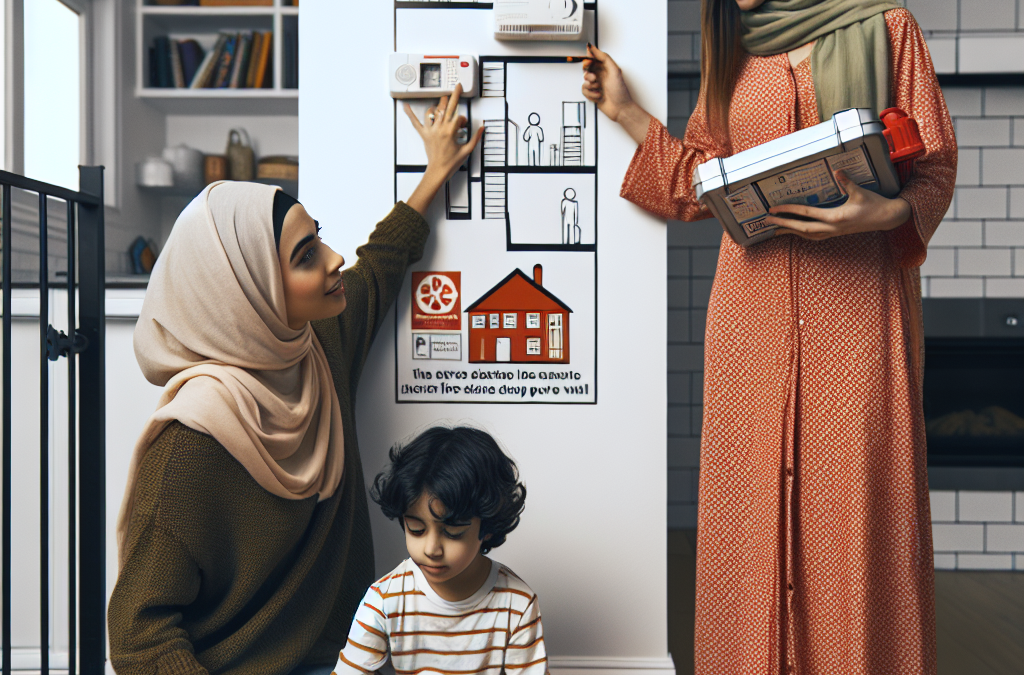
Install smoke detectors and carbon monoxide alarms on every level, ensuring they are functioning properly with regular testing. Keep fire extinguishers accessible and familiarize your family with their use. Also, consider installing gas leak detectors if you use natural gas or propane to prevent accidents during power outages or earthquakes.
By taking these proactive safety measures, your home becomes a secure environment where disaster preparedness for families can be effectively carried out, and your household remains protected during emergencies.
5. Know Your Local Risks and Evacuation Routes
Mapping Out Risks and Resources
Understanding your regional hazards is fundamental to disaster preparedness for families. Research local climate patterns, historical disasters, and potential threats like floods, wildfires, or earthquakes. Use state and local government resources to identify high-risk zones and recommended evacuation routes.
Creating a detailed map with multiple escape routes ensures quick relocation when needed. Keep a physical map stored with your emergency supplies, and make sure every family member knows the plan.
Community Shelters and Support Networks
Familiarize yourself with official shelters in your area and conditions for access. Establish contact with neighbors and community groups so that collective support can be leveraged during crises. Working together enhances overall family disaster preparedness and community resilience in 2025.
6. Prioritize Health and Medical Preparedness
Stockpiling Medications and Medical Supplies
Ensure that you have an up-to-date supply of essential medications, especially for chronic conditions like diabetes, hypertension, or asthma. Include in your disaster preparedness for families a first aid kit with bandages, antiseptics, and over-the-counter drugs.
For families with specific health needs, consider sourcing extra prescriptions or arranging emergency pharmacy access. Keep a printed list of medical conditions and medications for quick reference in case of evacuation.
Training and First Aid Skills
Enroll your family in basic first aid and CPR courses. Knowing how to respond to injuries, bleeding, or medical emergencies can be lifesaving. Practice these skills regularly, and teach children age-appropriate safety. In 2025, virtual training and mobile apps are excellent tools to stay prepared, even for busy households.
7. Use Technology and Valuable Internet Resources
Apps and Alert Systems for Emergencies
Smart technology can significantly enhance disaster preparedness for families. Download reputable emergency alert apps that provide real-time notifications about weather or hazards in your area. Sign up for local government alerts via SMS or email to stay informed.
In 2025, integrating smart home devicesâsuch as automated lighting or security camerasâhelp monitor your property remotely and prepare you for potential hazards. These tools enhance situational awareness and ensure quick responses.
Online Planning Tools and Resources
Leverage online checklists, planning guides, and community forums to develop and refine your disaster plans. Government agencies like FEMA provide excellent resources tailored for families. Share these resources with your network to improve community-wide preparedness.
8. Conduct Regular Practice Drills
Simulating Emergency Scenarios
Practicing emergency drills is crucial to ensure everyone knows their role during a disaster. Schedule quarterly drills that simulate various scenarios, from fire evacuations to shelter-in-place situations. Involving children in these exercises helps reduce panic if the real event occurs.
After each drill, hold a debrief to discuss what went well and identify areas for improvement. Incorporate feedback into your family’s disaster preparedness plan.
Family Involvement and Education
Encourage active participation from all members regardless of age. Use fun, educational activities to teach safety concepts and proper responses. Keep safety materials, maps, and emergency contact lists visible and accessible for each family member.
9. Educate the Entire Family
Age-Appropriate Disaster Education
Teaching kids about disaster preparedness should be engaging and suitable for their age. Use books, games, and simulations to explain what to do during earthquakes, floods, or other hazards. Knowledge fosters confidence and calmness in stressful situations.
For teenagers and adults, integrate practical lessons like using fire extinguishers or reading hazard maps. Keep communication lines open about potential risks and safety plans.
Community Engagement and Learning
Participate in local disaster preparedness programs or workshops. Being part of community efforts enhances your family’s awareness and resilience. Knowledge sharing improves overall community readiness in 2025.
10. Support Mental Health and Resilience
Building Emotional Strength
Disasters can be traumatic, especially for children. Establish routines, provide reassurance, and encourage open communication about fears and concerns. Resilience is key to recovery, so foster a supportive environment.
Practice stress-reduction techniques such as mindfulness or breathing exercises with your family. Seek professional help if needed, and use community resources for emotional support.
Creating a Resilience Mindset
Focusing on positivity and preparedness boosts confidence. Celebrate small successes in drills and planning, and emphasize that being prepared makes a difference. Teaching children resilience builds their capacity to handle crises in the future.
Conclusion
In 2025, ensuring disaster preparedness for families is more critical than ever. Implementing these 10 effective strategies can help safeguard your loved ones, reduce chaos during emergencies, and foster resilience in your household. Remember, preparedness is an ongoing processâregular review and practice are key. By staying informed, organized, and proactive, your family can face any disaster with confidence and strength.
Frequently Asked Questions
Q1: What is the most important aspect of disaster preparedness for families?
The most important aspect is having a comprehensive plan that covers communication, supplies, and safety procedures tailored to your family’s unique needs.
Q2: How often should I review my disaster preparedness plans?
It’s recommended to review and update your plans at least twice a year, especially before seasons with higher hazard risks or major life changes.
Q3: How can I involve children in disaster preparedness for families?
Create age-appropriate activities, practice drills, and include children in planning discussions to build their confidence and knowledge about safety procedures.
Select items based on family size, specific health needs, local risks, and the potential duration of an emergency, ensuring everything is accessible and regularly maintained.
Q5: Why is mental health support important during disasters?
Disasters can cause trauma and stress; supporting mental health helps your family recover emotionally, maintain resilience, and reduce long-term psychological effects.





