In today’s unpredictable world, being prepared for emergencies is more crucial than ever. Whether it’s a natural disaster like a hurricane or an unexpected power outage due to severe weather, having a plan in place can make all the difference. Here’s your complete guide to emergency preparedness.
*Understanding the Risks: Assessing Your Emergency Preparedness Needs**
The first step in any emergency preparedness plan is understanding the risks that are specific to your area. Are you prone to flooding, earthquakes, wildfires, or severe winter storms? Take time to research local hazards and consider your unique circumstances—such as family size, pets, or medical needs—that might influence how you prepare.
Assessing these risks allows you to tailor your emergency kit and response plans effectively. For instance, if you live in an area prone to hurricanes, you’ll want supplies that can withstand high winds and flooding. On the other hand, those in earthquake-prone regions should focus on securing heavy objects and ensuring easy access to emergency tools.
*Essential Supplies: Building Your Comprehensive Emergency Kit**
Once you understand potential threats, it’s time to assemble a comprehensive emergency kit. At its core, this kit should include basic necessities:
1. **Water:** Aim for at least one gallon per person per day for three days.
2. **Non-perishable Food:** Stock up on items like canned goods, granola bars, and dried fruits that require minimal preparation.
3. **First Aid Kit:** Include bandages, antiseptics, pain relievers, and any necessary prescription medications.
4. **Flashlights & Batteries:** Power outages can occur without warning; having reliable light sources is essential.
5. **Multi-tool or Swiss Army Knife:** This versatile tool can come in handy for various tasks.
6. **Personal Hygiene Items:** Don’t forget soap, hand sanitizer, toothbrushes, and sanitary supplies.
7. **Important Documents:** Keep copies of identification papers and insurance policies stored safely but accessible.
Additionally, consider including items such as blankets for warmth during cold nights without power and games or books for mental stimulation during long waits.
*Staying Connected: Communicating During a Crisis**
When disasters strike, communication becomes vital yet challenging due to disrupted services. Establishing a communication plan ahead of time ensures everyone knows how to reach each other during crises.
Designate an out-of-town contact who can serve as a central point of information for family members scattered across different locations. Encourage everyone to memorize important phone numbers since cell networks may become overloaded during emergencies.
Investing in battery-powered radios can also be invaluable; they provide critical updates from local authorities when other forms of communication fail.
*After the Storm: Recovery Strategies and Resources**
Once the immediate danger has passed, recovery begins—but it’s often easier said than done. A well-thought-out recovery strategy will help mitigate stress after facing an emergency situation.
Start by assessing damage safely before re-entering homes or businesses—look out for hazards like downed power lines or unstable structures. Document any damage with photographs for insurance claims later on.
Reach out to local resources such as community support groups or government agencies offering assistance in recovery efforts—you’re not alone in navigating this challenging process! Many organizations exist solely dedicated to aiding families affected by disasters through both emotional support and practical resources.
Preparedness isn’t just about survival; it’s about thriving amidst adversity with resilience and hope! Equip yourself today with knowledge and supplies so you’re ready when tomorrow brings uncertainty.
In 2025, the world continues to face unpredictable challenges ranging from natural disasters to cyber threats. A self reliant preparedness plan becomes essential as reliance on external systems proves vulnerable during crises. Having a personalized strategy ensures that you can handle emergencies with confidence and independence.
Many households have experienced power outages, supply chain disruptions, and extreme weather events in recent years. These incidents highlight the importance of being self-sufficient. Investing in a well-crafted self reliant preparedness plan means youâre not solely dependent on governmental aid or community resources, which might be overwhelmed during large-scale emergencies.
Developing a self-reliant approach aligns with the increasing trend towards resilience and self-sufficiency in 2025. Itâs about empowering yourself and your family to face uncertainty head-on, securing peace of mind regardless of external circumstances.
2. Assessing Your Risks and Vulnerabilities
Identifying Potential Threats in Your Area
The first step in creating an effective self reliant preparedness plan is understanding the specific risks you face. Your geographic location influences threats such as hurricanes, earthquakes, or wildfires. By analyzing local hazard data, you can prioritize your preparedness actions accordingly.
Sources like FEMA, the CDC, and local government websites provide valuable hazard maps and risk assessments. For example, if you live in a flood-prone area, your plan should include flood-proofing strategies, waterproof containers, and evacuation routes.
Remember, assessing risks isnât a one-time task. As climate patterns shift and urban development expands, update your threat assessments annually. Doing so ensures your self reliant preparedness plan remains relevant and effective in 2025.
Evaluating Your Current Preparedness Level
Knowing where you stand is crucial for building a reliable self reliant preparedness plan. Conduct a thorough inventory of your supplies, skills, and resources. Are your emergency kits stocked? Do you have the necessary skills like first aid, water purification, or basic mechanics?
Many experts recommend conducting regular drills to test your readiness. Simulate scenarios such as power outages or small evacuations. These exercises reveal gaps in your planning and help you improve preparedness strategies.
Based on your evaluation, develop a step-by-step improvement plan. In 2025, self-reliance is about continuous progress, not perfection. Small, consistent enhancements can make your plan more robust and dependable.
3. Strategic Food Storage for Long-Term Security
Building a Pantry That Lasts
One of the most vital aspects of a self reliant preparedness plan is ensuring you have ample, shelf-stable food. Focus on a variety of nutrient-dense, easy-to-prepare foods like grains, freeze-dried vegetables, and canned proteins. In 2025, innovators are introducing biodegradable packaging that extends shelf life and reduces environmental impact.
When planning your pantry, consider storage space, rotation schedules, and dietary needs. A good rule of thumb is to store at least a 3-month supply for each family member. Use airtight containers and keep inventory logs to prevent waste and ensure freshness.
Practical tips include creating meal plans around stored foods to maximize their use and regularly updating your stock based on changes in your dietary preferences or health needs.
Incorporating Food Preservation and Gardening
Complement pantry storage with food preservation techniques such as dehydration, canning, and fermenting. These methods extend food longevity and diversify your supply options. In 2025, smart devices now help monitor conditions like humidity and temperature to optimize preservation.
Growing your own vegetables and herbs is another key component of a self-sufficient lifestyle. Urban or rural, home gardens can be scaled to suit your space. Hydroponics and vertical gardening are trending options that maximize yield in limited areas.
Through a combination of preserved foods and homegrown produce, your self reliant preparedness plan gains resilience. This synergy ensures nutritional security during prolonged emergencies.
2025. Continuous Education and Skill Development
Learning Essential Survival Skills
In 2025, staying ahead with ongoing education about survival skills is crucial. Skills like basic first aid, water purification, fire-making, and self-defense enhance your ability to respond confidently in emergencies. Many organizations offer online courses or community workshops.
Practical experience through drills, volunteering, or homesteading activities can solidify these skills. Remember, the most prepared individuals are those who practice and refine their capabilities regularly.
Invest in your knowledge base in 2025 to ensure your self reliant preparedness plan remains adaptable and effective. Knowledge is the backbone of true self-reliance.
Conclusion: Building Trust in Your Self Reliant Preparedness Plan for 2025
Creating a self reliant preparedness plan in 2025 is about more than just stockpiling supplies; itâs a comprehensive, adaptable approach that empowers you to handle crises independently. From assessing risks to developing essential skills, every element plays a vital role in your resilience.
By investing time and effort into crafting and maintaining your plan, you build confidence and security for yourself and your loved ones. Remember, the key in 2025 is continuous improvement and staying informed. A trustworthy self reliant preparedness plan enables you to face the future with confidence and peace of mind.
Stay prepared, stay resilient!
FAQ
What is a self reliant preparedness plan?
A self reliant preparedness plan is a customized strategy that enables individuals or families to independently handle emergencies by possessing necessary supplies, skills, and knowledge without relying heavily on external aid.
How often should I update my self reliant preparedness plan?
Itâs recommended to review and update your plan at least once a year, especially after significant life changes or new hazards emerge in your area.
What are the essential components of a good self reliant preparedness plan?
Key components include emergency supplies, skills training, communication plans, water and food security measures, and a clear evacuation strategy.
Can I implement a self reliant preparedness plan on a budget?
Absolutely. Focus on practical, cost-effective steps like food preservation, skill development, and making use of local resources. Small consistent investments can significantly boost your resilience.
In an increasingly unpredictable world, having reliable emergency preparedness resources is vital for ensuring safety and survival during crises in 2025. Whether facing natural disasters, power outages, or other emergencies, these resources can mean the difference between life and death. As an expert in emergency planning, Iâve compiled this comprehensive guide to the most essential and innovative emergency preparedness resources to help you and your loved ones stay safe.
1. Emergency Food Supplies
Durable Long-Term Food Storage Options
Having a stockpile of emergency food supplies is fundamental. In 2025, the focus has shifted to biodegradable, nutrient-dense foods that last decades without refrigeration. MREs (Meals Ready to Eat) and freeze-dried meals have seen significant improvements, making them more palatable and easier to prepare.
Studies show that a well-maintained emergency food storage can sustain a person for up to 6 months, which is crucial during prolonged crises. Planning for different dietary needs, including gluten-free or vegan options, ensures nobody is left vulnerable.
Regularly rotating your stockpiles and keeping track of expiration dates helps maintain freshness. I recommend creating a food inventory app or chart to stay organizedâthis is a simple but effective emergency preparedness resource.
Practical Tips for Stockpiling
Start small by adding a few extra meals each shopping trip. Focus on lightweight, calorie-dense items like trail mixes, energy bars, and powdered milk. Look for bulk deals and sales to maximize your budget.
Consider local options like community-supported agriculture (CSA) programs or emergency food cooperatives. They often offer bulk purchasing discounts, making it easier to enhance your emergency food supplies.
Remember, the key is consistencyâregularly check supplies and replenish as needed to ensure availability when disaster strikes.
2. Water Storage Solutions
Innovative Water Storage Technologies
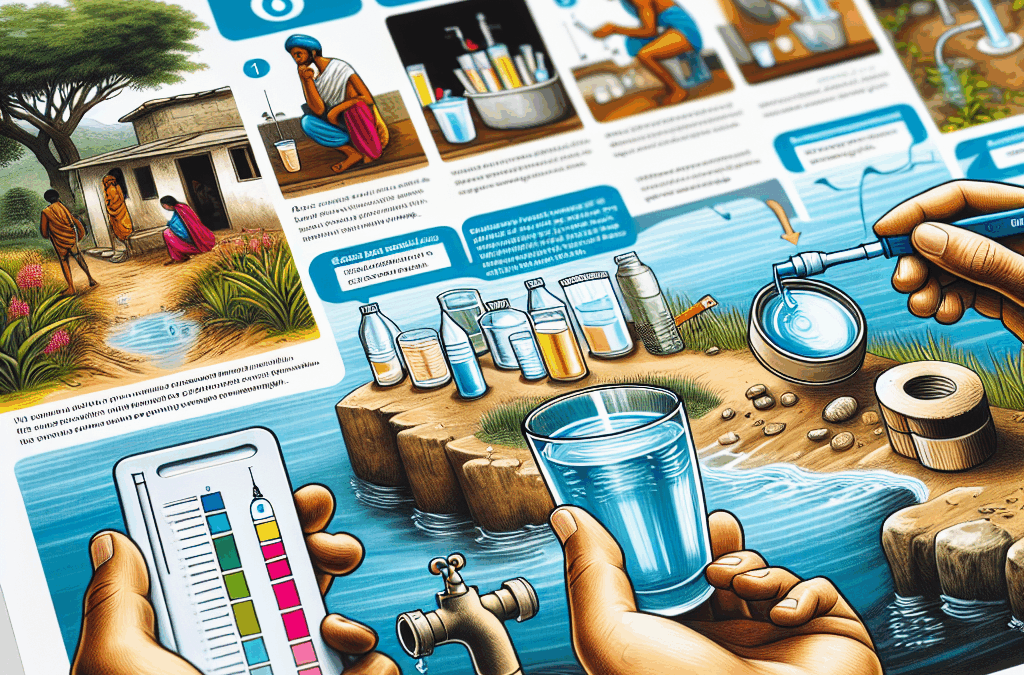
Water is arguably the most critical emergency preparedness resource. In 2025, new storage containers with UV protection and advanced filtration systems are making it easier to store and purify water safely. Portable water bladders and collapsible bottles are lightweight and space-efficient for both home storage and mobile preparedness.
Research indicates that storing at least one gallon of water per person per day is necessary for hydration and basic hygiene. Efficient water purification devicesâsuch as reverse osmosis filters and UV sterilizersâcan turn contaminated water into safe drinking water quickly.
My advice is to invest in versatile water storage solutions that can be used both at home and in the field, depending on your needs.
How to Properly Store and Maintain Water Supplies
Store water in a cool, dark place away from chemicals or direct sunlight. Label all containers with purchase dates so you know when to rotate supplies. Regularly flushing and cleaning containers prevents bacterial growth.
Added tip: consider installing a backup water filter system in your home plumbing. This ensures an ongoing supply of safe water, especially during extended outages.
Effective water management is an often overlooked but vital aspect of emergency preparedness resources.
3. First Aid Kits and Medical Supplies
Comprehensive First Aid Kits for Every Situation
A well-stocked first aid kit is a cornerstone of any emergency preparedness plan. In 2025, kits now include advanced trauma supplies like tourniquets, hemostatic agents, and burn dressings, alongside traditional bandages and antiseptics. These enhance your ability to respond effectively to injuries on the spot.
Thereâs also increasing emphasis on portable, modular kits tailored for different environmentsâhome, car, or outdoor expeditions. Customizing your kit based on risks in your area ensures readiness for specific emergencies.
Practice and training are equally important. Regularly reviewing emergency protocols with your family and practicing basic first aid skills can vastly improve your reaction time during an incident.
Storing and Maintaining Medical Supplies
Keep your medical supplies accessible, organized, and within reach. Use clear labels and dedicate a specific container or bag for rapid deployment. Check expiration dates annually and replace expired items promptly.
Investing in CPR and first aid training can dramatically improve outcomes during emergencies. Local community centers and online courses are excellent resources for certified instruction at minimal cost.
Never underestimate the power of a prepared first aid kitâthe smallest wound can become life-threatening without proper care, highlighting the importance of this emergency preparedness resource.
Frequently Asked Questions
1. Why are emergency preparedness resources important in 2025?
Because increasing global uncertaintiesâfrom natural disasters to pandemicsâmake it essential to prepare. Having reliable emergency preparedness resources can save lives and reduce chaos during crises.
2. How do I choose the right emergency food supplies?
Select nutrient-dense, long-lasting foods that meet your dietary needs. Consider shelf life, ease of preparation, and storage space when building your emergency food stockpile.
3. What are the best ways to store water safely for emergencies?
Use high-quality, food-grade containers stored in cool, dark places. Incorporate purification devices like filters and UV sterilizers to ensure safety during extended outages.
4. How often should I review my emergency kits?
At least once a year, checking for expired items and updating supplies. Regular drills help ensure everyone knows how to access and use the resources effectively.
5. Are digital resources part of emergency preparedness resources?
Yes, digital apps, online guides, and communication tools are vital components, providing real-time updates and coordination during emergencies.