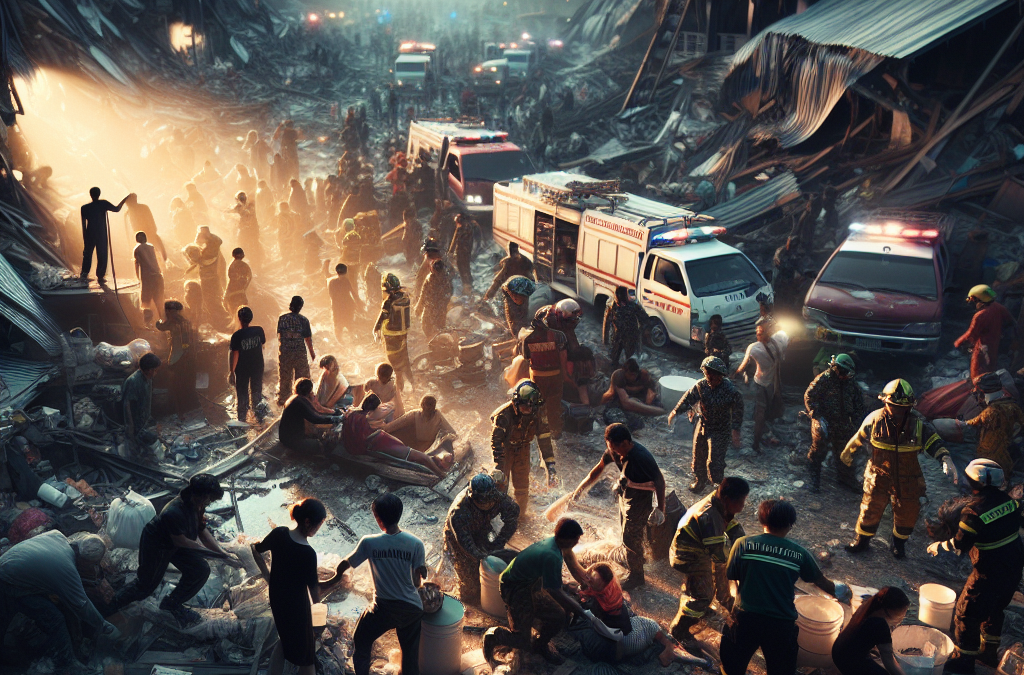
10 Effective disaster preparedness strategies to protect your family in 2025
Table of Contents
- Creating a Comprehensive Emergency Plan
- Assembling an Emergency Supply Kit
- Staying Informed with Early Warning Systems
- Educating Your Family on Disaster Responses
- Strengthening Your Homeâs Resilience
- Practicing Regular Emergency Drills
- Using Technology and Smart Devices
- Coordinating with Community Resources
- Understanding Financial and Legal Implications
- Continuous Review and Improvement of Strategies
1. Creating a Comprehensive Emergency Plan
Developing a Clear and Practical Plan
Having a well-crafted emergency plan is the foundation of disaster preparedness strategies. In 2025, it’s crucial that your plan covers all potential disaster scenarios, from natural calamities like earthquakes and floods to technological failures. A good plan clearly defines your family’s evacuation routes, communication methods, and safety zones. Sit down as a family and discuss each step, ensuring everyone knows what to do under different circumstances.
This planning process should also include important contact numbers, local emergency services, and shelter locations. Remember, a plan isnât effective if itâs not accessible during an emergencyâconsider printing copies and storing digital versions on your devices. Regular updates ensure your plan remains relevant to evolving risks and community changes.
For maximum effectiveness, incorporate feedback from all family members, including children, to create a plan everyone understands. Customized strategies tailored to your specific geographical area and household needs can significantly improve response times and safety during a disaster.
Practicing Your Emergency Plan
Implementation is key. Regularly practicing your disaster preparedness strategies ensures that everyone remembers their roles and reduces panic during real events. Schedule drills at least twice a year that simulate different scenariosâfire, evacuation, or shelter-in-place situations. This repetition builds confidence and streamlines responses.
During drills, evaluate what worked well and identify areas for improvement. Recording observations helps refine your plan and adapt to any new circumstances, such as changes in your family structure or neighborhood developments. Over time, these rehearsals become second nature, making your family better prepared and more resilient.
2. Assembling an Emergency Supply Kit
What Essentials to Include
A comprehensive emergency supply kit is a cornerstone of disaster preparedness strategies. Your kit should contain enough supplies to sustain your family for at least 72 hours. Key items include non-perishable food, plenty of bottled water, first aid supplies, medications, flashlights, batteries, and hygiene products. Consider the specific needs of each family member, including infants or elderly relatives.
In 2025, innovative supplies such as solar-powered chargers, portable water filters, and emergency radios are game-changers. These tools ensure continuous communication and access to information even if the power grid fails. Additionally, include important documents like identification, insurance papers, and medical records in a waterproof container.
Keep your emergency supply kit in a designated, easily accessible location known to all family members. Regularly check and update supplies to replace expired food or medications. This proactive approach keeps your disaster preparedness strategies robust and ready to deploy when needed.
Customizing Your Kit for Different Disasters
Different disasters require different supplies. For example, if you live in a flood-prone area, include waterproof clothing and flood barriers. In wildfire regions, having N95 masks and goggles is essential for safety. Tailor your kit based on regional risks highlighted by local authorities.
Beyond physical supplies, consider mental health and comfort itemsâbooks, games, or comfort toysâto help reduce anxiety during tense situations. The more personalized your kit, the more effective your disaster preparedness strategies become at safeguarding your family’s well-being.
Remember, a well-stocked and customized supply kit is not just about physical itemsâit’s about peace of mind and readiness.
3. Staying Informed with Early Warning Systems
Leveraging Technology for Alerts
In an increasingly connected world, technology plays a vital role in disaster preparedness strategies. Sign up for local alert systems, weather apps, and government notifications to receive real-time updates about impending emergencies. Many regions now offer SMS alerts and mobile app notifications, which provide crucial information directly to your phone.
In 2025, integrating smart devices like home security systems and voice assistants can further enhance your awareness. These devices can send alerts about weather warnings or safety advisories, giving your family precious extra minutes to prepare or evacuate.
Ensure all family members understand how to respond when an alert sounds. Familiarity with these systems makes your disaster preparedness strategies significantly more effective by reducing response times and increasing safety.
Monitoring Regional Risks and Development
Stay updated on regional disaster risk assessments issued by local authorities or international agencies. Understanding the specific risksâwhether hurricanes, earthquakes, or industrial accidentsâallows you to tighten your disaster preparedness strategies accordingly.
Online resources, official websites, and community notification systems can keep you informed about ongoing threats or upcoming events. Being proactive in monitoring regional developments empowers you to make timely decisions and adjusts your preparedness measures effectively.
Increased awareness inevitably leads to smarter, faster actions, helping your family navigate emergencies with confidence.
4. Educating Your Family on Disaster Responses
Teaching Proper Safety Protocols
One of the most effective disaster preparedness strategies involves educating family members on how to react during emergencies. Teaching children and elders about safety protocolsâsuch as “Drop, Cover, Hold On” during earthquakes or proper evacuation proceduresâcan save lives.
Use simple language, visual aids, and hands-on demonstrations to ensure everyone understands what actions to take. Reinforce these teachings regularly to keep safety routines fresh in everyoneâs mind.
In 2025, creating easy-to-follow family safety cards or checklists can serve as quick reference guides during high-stress situations, helping everyone respond calmly and efficiently.
Promoting Community Engagement
Disaster preparedness strategies extend beyond your household. Encouraging participation in local preparedness programs, neighborhood watch groups, and community drills helps strengthen overall resilience. When everyone understands basic safety measures, the entire community becomes less vulnerable.
Organize or participate in local workshops on disaster response, first aid, and emergency communication. Sharing responsibilities and resources enhances collective safety and boosts the effectiveness of your familyâs preparedness efforts.
Active community involvement fosters a sense of support and shared responsibility vital during large-scale emergencies.
5. Strengthening Your Homeâs Resilience
Structural Enhancements for Safety
In 2025, strengthening your home to withstand natural disasters is a smart part of disaster preparedness strategies. Reinforcing walls, securing heavy furniture, and installing impact-resistant windows can reduce damage and injury risks.
For earthquake-prone areas, consider retrofitting techniques such as bolting false walls and adding seismic braces. Flood barriers, sump pumps, and proper drainage systems are vital in flood-prone zones. These modifications not only protect lives but also minimize repair costs after a disaster.
Investing in resilient construction standards is a long-term strategy that pays dividends during emergencies, ensuring your familyâs safety and minimizing property loss.
Installing Safety and Security Devices
Home safety devices like smoke detectors, carbon monoxide alarms, and security cameras are critical components of disaster preparedness strategies. In 2025, smart sensors that can detect gas leaks or fire outbreaks and notify you immediately are especially valuable.
Regular maintenance of these devices ensures they function correctly when needed most. Additionally, creating a safe room or designated shelter area within your home adds an extra layer of security during severe events.
Well-equipped, secure homes significantly reduce risk exposure and help your family respond swiftly during emergencies.
6. Practicing Regular Emergency Drills
Why Drills are Crucial
Consistently practicing disaster response procedures is one of the most underrated disaster preparedness strategies. In 2025, conducting realistic drills helps identify gaps and boosts confidence among family members.
Simulate various scenarios, including fire evacuations, shelter-in-place, and first aid rescues. These exercises improve muscle memory and reduce panic during actual emergencies. Make it a habit to review and refine your plans based on drill performance.
Communicating expectations clearly and involving everyone ensures that your family will respond effectively when real disasters strike.

Engaging Children and Elderly Family Members
Design age-appropriate drills that consider the physical abilities and understanding levels of all family members. Use games or storytelling techniques to teach young children about disaster responses, making safety lessons less intimidating.
For seniors, focus on mobility assistance, medication management, and accessible evacuation routes. Preparing specialized plans for vulnerable family members enhances overall safety and ensures no one is left behind.
Practicing consistently and inclusively ensures your disaster preparedness strategies are comprehensive and effective.
7. Using Technology and Smart Devices
Smart Home Integration
In 2025, leveraging smart technology is a game-changer in disaster preparedness strategies. Connected devices such as thermostats, alarms, and security systems can be programmed to respond automatically or notify you of anomalies.
Smart sensors can detect smoke, leaks, or suspicious activity, alerting you instantly no matter where you are. Integrating these devices into your emergency plan ensures swift action, potentially preventing injuries or property damage.
Setting up a centralized control system allows you to monitor and manage your home remotely, empowering your family with real-time information during crises.
Apps and Digital Tools for Preparedness
Download reliable disaster preparedness apps that provide safety checklists, first aid instructions, and emergency alerts. Many government agencies and organizations are developing comprehensive digital tools tailored to your region’s risks.
In 2025, utilizing shared calendars, communication apps, and location-sharing features ensures quick coordination among family members. These tools streamline your disaster preparedness strategies, keeping everyone connected and informed.
Stay digitally proactive to make sure your family remains resilient and ready for any emergency.
8. Coordinating with Community Resources
Partnering with Local Agencies
Establishing relationships with local emergency services, shelters, and community organizations enhances your disaster preparedness strategies. Knowing where community resources are located and how to access them can save precious time during crises.
Participate in community preparedness programs and volunteer networks to stay informed and contribute to collective resilience. Building these connections helps your family integrate seamlessly into larger emergency response efforts.
In 2025, fostering strong community ties ensures coordinated action and resource sharing, which are vital during widespread emergencies.
Neighborhood Safety Initiatives
Coordinate with your neighbors to develop a community-wide disaster response plan. Sharing resources like generators, tools, and supplies can bolster everyone’s ability to withstand disasters.
Organize neighborhood drills and safety meetings to foster a culture of preparedness. When families work together, disaster preparedness strategies become more effective and less isolating.
This collective strength can be the key to surviving and recovering quickly from major emergencies in 2025.
9. Understanding Financial and Legal Implications
Insurance and Financial Planning
Incorporating disaster preparedness strategies includes financial planning. Review your insurance policies to ensure adequate coverage for natural disasters common in your area. In 2025, consider additional coverage for floods, earthquakes, or cyber threats.
Maintain an emergency fund to cover expenses during and after a disaster. Having quick access to cash or digital money can facilitate immediate needs and repairs.
Being financially prepared reduces stress and facilitates faster recovery, aligning with comprehensive disaster preparedness strategies.
Legal Preparedness and Documentation
Keep vital legal documentsâwills, power of attorney, insurance policiesâorganized and protected. Digital backups stored securely online can provide access if printed documents are lost or destroyed.
Understand your legal rights and responsibilities during emergencies. For example, knowing local evacuation laws and property rights can prevent confusion and legal issues post-disaster.
Legal readiness complements your disaster preparedness strategies, ensuring you’re protected both physically and legally during crises.
10. Continuous Review and Improvement of Strategies
Regular Evaluation of Plans
Disaster preparedness strategies should evolve with changing circumstances, technology advancements, and new threats. Schedule annual reviews of your emergency plans, supplies, and community connections.
In 2025, incorporate lessons learned from drills, actual emergencies, and new regional risk assessments. Updating your strategies ensures they remain relevant and effective.
Adopting a mindset of continuous improvement is key to maintaining a high level of preparedness and protecting your loved ones effectively.
Staying Adaptable and Informed
Flexibility is vital. Be ready to adapt your disaster preparedness strategies based on emerging data or unexpected changes. Keeping informed about new threats and solutions is essential for resilience.
Engage with professional organizations, government advisories, and expert blogs to stay ahead of developments. Your ongoing commitment to preparedness makes your family more secure in 2025 and beyond.
Remember, disaster preparedness strategies are an ongoing processâstaying vigilant and adaptable is the best way to safeguard your family.
Conclusion
In 2025, implementing effective disaster preparedness strategies is more important than ever to keep your family safe. By creating comprehensive plans, assembling emergency kits, staying informed, and practicing regularly, you can build a resilient household ready to face any emergency. Remember, disaster preparedness strategies are not a one-time effort but an ongoing commitment that evolves with your family and the world around you. Prioritize readiness today to ensure peace of mind tomorrow.
Frequently Asked Questions
1. What are the most important disaster preparedness strategies for families in 2025?
The most important strategies include creating a detailed emergency plan, assembling a supply kit, staying informed through alerts, practicing drills, and strengthening your homeâs resilience.
2. How often should I review my disaster preparedness strategies?
Itâs recommended to review and update your strategies at least once a year or after any significant life changes or major regional hazards.
3. How can I ensure my family responds effectively during a disaster?
Regular training, drills, and clear communication are key. Educate your family about safety procedures and rehearse different scenarios to build confidence.
4. Why are disaster preparedness strategies necessary in 2025?
With increasing climate variability, technological threats, and urban development, having a solid set of disaster preparedness strategies ensures your family’s safety and quick recovery when emergencies occur.