
by Preparation Call Editorial Team | Aug 24, 2025 | Preparedness
Table of Contents
- 1. Fire Safety and Emergency Response Training
- 2. Disaster Preparedness and Crisis Management
- 3. Comprehensive First Aid and CPR Courses
- 4. Urban Survival Skills Training
- 5. Home Emergency Preparedness Programs
- 6. Evacuation and Shelter Management Courses
- 7. Using Technology in Preparedness Training
- 8. Mental Resilience and Stress Management
- 9. Food and Water Security Planning
- 10. Community-Based Preparedness Initiatives
In an era where natural disasters, pandemics, and other emergencies are becoming more frequent and unpredictable, investing in preparedness training courses in 2025 is more crucial than ever. These courses empower individuals and communities with vital skills and knowledge to respond effectively when crises occur. Whether you’re looking to enhance your personal safety or improve your communityâs resilience, this guide highlights the top 10 preparedness training courses to elevate your safety measures this year.
1. Fire Safety and Emergency Response Training
Understanding Fire Risks and Prevention
Fire safety remains a top priority, especially in residential and commercial settings. This course emphasizes identifying fire hazards, implementing preventive measures, and understanding fire behavior. Participants learn how to minimize risks and deploy basic fire suppression tools like extinguishers effectively. In 2025, with increasing urban density, mastering fire prevention is critical for safety.
Real-world example: A recent study indicated that workplaces with comprehensive fire safety training saw a 40% reduction in fire incidents. Investing in preparedness training courses enables individuals to proactively safeguard their environments.
Emergency Response Procedures
reactive response is vital during a fire. This course trains participants in evacuation protocols, how to assist others, and when to call emergency services. Role-playing scenarios help build confidence in real emergencies. Knowing how to navigate stairwells, communicate clearly, and use fire alarms can save lives.
Expert tip: Regular drills and refresher courses improve response times and ensure safety protocols become second nature. Incorporate fire drills into your preparedness routines to stay ready in 2025.
2. Disaster Preparedness and Crisis Management
Developing a Community-Wide Plan
This course guides communities and organizations through creating comprehensive disaster plans. Strategies cover natural hazards like hurricanes, earthquakes, and floods prevalent in 2025. The focus is on coordinated communication, resource allocation, and assigning roles.
Effective planning has shown to reduce response time and minimize casualties. For example, communities with established plans reported 30% fewer injuries during recent earthquakes.
Effective Crisis Communication
Communication is critical during crises to avoid panic and misinformation. This training emphasizes crafting clear messages, utilizing social media, and establishing emergency channels. In 2025, advancements in emergency apps and alerts can be integrated into these courses.
Tip: Practice drill scenarios that include real-time communication among responders and residents to build familiarity and trust.
3. Comprehensive First Aid and CPR Courses
Life-Saving Skills for Immediate Response
Knowing how to administer CPR and basic first aid can mean the difference between life and death. These courses teach techniques to handle bleeding, fractures, choking, and cardiac emergencies. In 2025, rapid response and AED skills are more accessible than ever thanks to portable devices.
Certification and Recertification
Stay current with certifications to ensure your skills are up-to-date. Most courses recommend recertification every two years, which is vital as guidelines evolve. Incorporate real-world scenarios to improve skill retention and confidence.
Pro tip: Keep a first aid kit at home, in your car, and at work, and ensure everyone knows its location and usage protocols.
4. Urban Survival Skills Training
Adapting to City Emergencies
Urban survival training prepares individuals for situations like civil unrest, infrastructure failures, or long-term power outages. In densely populated areas in 2025, understanding how to navigate and secure urban environments is crucial.
Skills include using public resources wisely, securing safe shelter, and self-defense techniques. Building knowledge in urban navigation and resource management enhances resilience during extended crises.
Essential Gear and Supplies
Part of this course covers selecting portable and discreet survival gear suitable for city settings. Useful items include compact water filters, multi-tools, and communication devices. Proper planning ensures access to necessities without attracting unnecessary attention.
5. Home Emergency Preparedness Programs
Creating a Family Emergency Plan
Developing a customized emergency plan for your household is foundational. Cover evacuation routes, communication methods, and emergency contacts. Practice drills at least bi-annually to embed procedures into daily life.
Statistics show that households with written plans are 50% more likely to respond effectively in emergencies. Tailor plans to specific risks in your area, such as hurricanes or earthquakes.
Stockpiling and Supplies Management
Proper stockpiling of essentialsâfood, water, medicationsâis vital. The general recommendation is a three-day supply per person, but in 2025, experts advise extending this to two weeks given longer recovery times from major events.

Maintain an inventory system to track expiration dates and replenish supplies regularly. Consider creating lightweight, portable kits for quick evacuation.
6. Evacuation and Shelter Management Courses
Planning Effective Evacuations
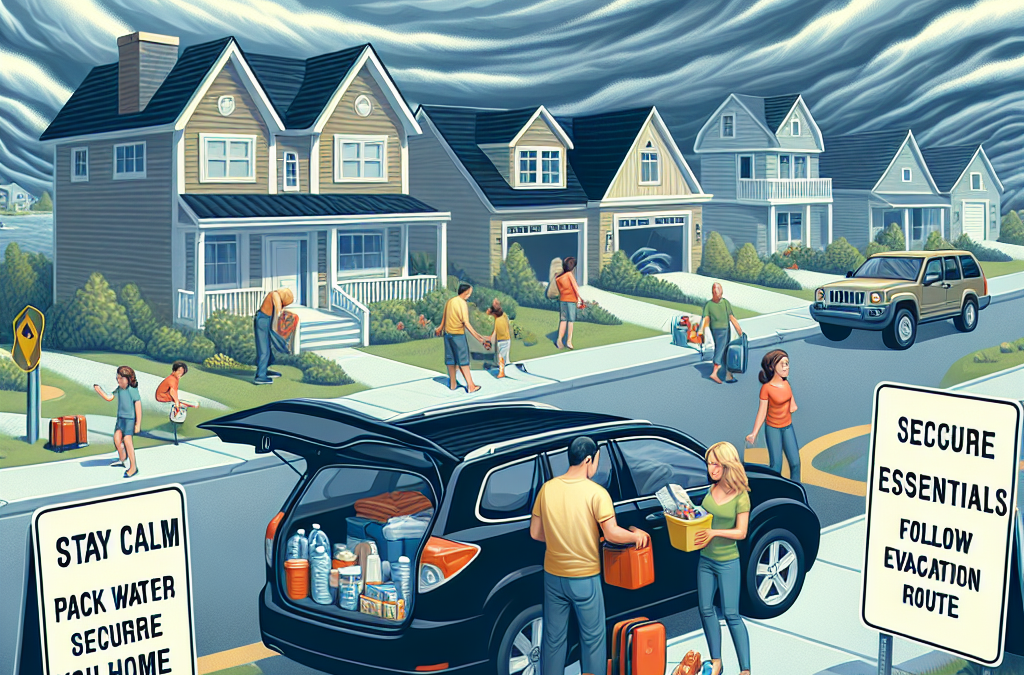
Evacuation planning minimizes chaos and confusion during emergencies. This course covers routes, transportation options, and special needs considerations. In 2025, expanding infrastructure makes efficient evacuation more feasible, but prior planning remains essential.
Managing Shelters and Resources
For community leaders, managing shelters involves coordinating supplies, medical needs, and security. Best practices include sanitation, crowd control, and mental health support for evacuees.
Tip: Regularly update shelter maps and communicate plans with local authorities to ensure readiness.
7. Using Technology in Preparedness Training
Emerging Tools & Apps
Modern preparedness courses incorporate apps for alerts, GPS tracking, and emergency communication. In 2025, AI-driven early warning systems and disaster prediction models are game-changers.
Data Management & Monitoring
Training includes managing data from environmental sensors, social media analysis, and real-time dashboards to anticipate issues before they escalate. Practical knowledge of these tools can help responders act swiftly.
8. Mental Resilience and Stress Management
Building Psychological Preparedness
Emergencies can take a toll on mental health. This course teaches techniques like mindfulness, stress reduction, and emotional first aid. In 2025, mental resilience is recognized as a crucial component of overall preparedness.
Supporting Others in Crisis
Learn how to assist family, friends, and community members coping with trauma. Developing a peer support network enhances collective resilience and recovery.
9. Food and Water Security Planning
Long-Term Food Storage Strategies
Having a secure food supply is fundamental. Courses cover storage techniques, shelf life extension, and sourcing alternative food supplies. In 2025, sustainable practices and local food sources are emphasized.
Water Purification and Conservation
Ensuring access to clean water during emergencies involves filtration, kayaking, and desalination methods. Participants learn to identify safe water sources and purify them effectively.
Mobilizing Community Resources
Effective emergency response relies on community involvement. Courses teach how to organize neighborhood watch groups, shared resource pools, and volunteer coordination. Building a connected community enhances overall safety.
Training Local Leaders
Empowering local volunteers as preparedness leaders ensures sustained efforts. Training includes leadership, communication, and first aid skills to create resilient local networks.
Conclusion
In 2025, the importance of engaging in preparedness training courses cannot be overstated. These courses provide the essential skills, knowledge, and confidence necessary to protect yourself, your family, and your community during emergencies. From fire safety to mental resilience, each training opportunity plays a vital role in building a safer, more prepared society. Investing in these courses today ensures that you’re better equipped to face any challenges that may come your way in 2025 and beyond.
Frequently Asked Questions
1. What are the most important preparedness training courses to take in 2025?
The most vital courses include fire safety, disaster management, first aid, urban survival, and mental resilience. These programs collectively enhance your ability to respond effectively in various emergencies.
2. How often should I update my preparedness training?
It’s recommended to renew certifications and refresh skills every two to three years. Staying current ensures you are aware of the latest techniques and protocols.
3. Where can I find reliable preparedness training courses?
Look for certified providers such as local emergency agencies, the Red Cross, FEMA, or reputable online platforms offering up-to-date courses tailored for 2025 needs.
4. Why is community-based preparedness important?
Community efforts create a stronger safety net, facilitate resource sharing, and enable faster, coordinated responses during crises. Collective action enhances overall resilience.
5. How can technology improve preparedness in 2025?
Emerging technologies, like advanced alert systems and AI-based disaster prediction, provide real-time information and improve response times, making training more effective than ever before.
by Preparation Call Editorial Team | Aug 24, 2025 | Preparedness
- 1. Choose the Right Food Items
- 2. Proper Packaging Methods
- 3. Optimal Storage Environment
- 4. Regular Rotation and Inventory Management
- 5. Dehydration and Freeze-Drying
- 6. Use of Oxygen Absorbers and Mylar Bags
- 7. Proper Labeling and Record Keeping
- 8. Utilizing Root Cellars and Cold Storage
- 9. Incorporating Food Preserves and Fermentation
- 10. Emergency Preparedness Planning
1. Choose the Right Food Items
Focusing on Nutrient-Dense Staples
When planning for long term food storage, selecting nutrient-dense staples is crucial. Foods like rice, beans, oats, and dehydrated vegetables provide essential nutrients and energy for extended periods. In 2025, research shows that high-quality, nutrient-rich foods can last up to 30 years with proper storage, making them indispensable for emergency preparedness.
It’s important to diversify your food storage to include various grains, legumes, and dried fruits. This variety helps prevent nutritional deficiencies and keeps meals interesting during long-term storage scenarios. For instance, including quinoa or lentils can add essential amino acids missing from some grains.
Real-world example: Many survivalists recommend storing rice and beans as a baseline, but expanding your inventory to specialty items like powdered milk, freeze-dried meats, and vitamin-enriched foods can elevate your readiness for 2025 crises and beyond.
Considering Storage Longevity and Compatibility
Not all foods are created equal in terms of shelf life. Modern dehydrated and vacuum-sealed foods have significantly improved longevity, with some preserving quality up to 25-30 years. When selecting foods, check expiration dates and look for products specifically labeled for long term storage.
Compatibility matters too; avoid storing incompatible foods (like potatoes and onions together) that can promote mold or spoilage. Rotate your stock periodically to ensure freshness and prevent waste. With the advances in food preservation technology, selecting the right items in 2025 gives you a reliable long-term food storage foundation.
Tip: Always buy from reputable suppliers who provide testing data on shelf life and storage conditions. This investment ensures your food remains safe and nutritious for years.
2. Proper Packaging Methods
Vacuum Sealing for Maximum Freshness
Vacuum sealing is one of the most effective ways to extend the shelf life of your long term food storage. Removing air around food prevents oxidation and slows spoilage. In 2025, high-quality vacuum sealers are affordable and easy to use, making them ideal for home and small-scale storage.
Proper vacuum sealing also reduces space needed for storage, allowing you to pack more food efficiently. Itâs especially beneficial for bulk items like grains and dried fruits. Ensure seals are airtight to prevent moisture and air infiltration, which are primary causes of food deterioration.
Practical tip: Store vacuum-sealed packages in cool, dark environments to maximize their durability. Keep a few spare bags and replacement vacuum seals on hand for future batches.
Using Mylar Bags and Oxygen Absorbers
Mylar bags combined with oxygen absorbers create an almost hermetic seal, keeping food fresh for decades. This packaging method is favored by preparedness experts for its durability and proven longevity. In 2025, most quality storage facilities recommend using 5-6 mil thickness Mylar with oxygen absorbers for grains, nuts, and powdered foods.
The key is to remove as much oxygen as possible before sealing. Oxygen absorbers are inexpensive but potent tools that eliminate residual oxygen, suppressing mold and bacterial growth. Proper sealing and storage in a cool, dark place extend shelf life significantly.
Remember: Always measure the oxygen absorber size to match the package volume, and ensure that packages are stored flat or upright in a secure container. This combination of packaging techniques significantly enhances your long term food storage reliability.
3. Optimal Storage Environment
Controlling Temperature and Humidity
The environment plays a vital role in the longevity of your stored food. Maintaining a consistent, cool temperatureâpreferably between 55°F and 70°Fâis essential for maximizing shelf life. In 2025, advances in climate-controlled storage solutions have made it easier for preppers to create ideal environments at home or in dedicated food storage rooms.
Humidity control is equally important. Excess moisture promotes mold and spoilage, so using dehumidifiers and silica gel packs helps maintain dryness. Ideally, keep relative humidity below 60%. Proper environmental controls prevent insect infestation and preserve food quality over decades.
Tip: Regularly monitor your storage conditions with digital hygrometers and thermometers to ensure optimal settings. Consider locations like basement storage rooms, root cellars, or climate-controlled warehouses for optimal safety.
Minimizing Light Exposure
Light accelerates food degradation through a process called photo-oxidation. Storing food in opaque, airtight containers minimizes light exposure, which makes a real difference over many years. Dark storage is especially crucial for fats, oils, and sensitive items like vitamin supplements.
This is why many long term food storage setups include UV-proof and opaque containers, or place storage in areas away from windows. Consistently dark storage environments significantly extend product longevity.
Pro tip: Incorporate storage solutions that block out light, and consider installing window covers or curtains in your storage room for added protection against light degradation, ensuring your long term food storage remains fresh and nutritious for 2025 and beyond.
4. Regular Rotation and Inventory Management
Create a Rotation Schedule
Even with the best storage methods, foods will eventually reach their expiration. Creating a systematic rotation schedule ensures you consume older items first, replacing them with fresh supplies. For long term food storage, this practice prevents waste and guarantees access to nutritious food during emergencies.
Basic tip: Label items with purchase and best-by dates, and set reminders to rotate stock every 1-2 years. In 2025, digital inventory apps can help automate this process, making tracking easier and more efficient.
Example: Designate a specific shelf or container for older food items and plan monthly or quarterly check-ins to maintain your stockâs freshness. Staying organized ensures your preparedness is always up-to-date.
Keep Accurate Inventory Records
Managing your inventory with detailed records helps optimize your long term food storage. Record quantities, expiration dates, and storage locations. This method streamlines refilling and prevents over-purchasing or missing crucial supplies.
Using spreadsheets or specialized inventory software makes it simple to track your supplies. In 2025, some apps offer barcode scanning and expiration alerts, which further streamline long-term planning.
Actionable tip: Regularly review your inventory and adjust your storage plan as needed. Staying organized ensures your food supply remains reliable during unexpected events.
5. Dehydration and Freeze-Drying
Benefits of Dehydrated Foods
Dehydration reduces moisture content dramatically, making foods like fruits, vegetables, and meats shelf-stable for decades. In 2025, modern home dehydrators and commercial freeze-drying technologies provide access to high-quality dried foods that retain nutritional value and flavor.
Dehydrated foods are lightweight and require minimal storage spaceâideal for long term food storage. Plus, they can be rehydrated easily when needed or eaten as-is in snacking applications.
Tip: Invest in food-grade dehydrators or freeze-drying machines to prepare your own long-term storage foods, reducing reliance on commercial products and saving costs over time.
Best Practices for Freeze-Dried Food Storage
Freeze-dried foods preserve up to 98% of their nutritional content and last for 25-30 years when stored properly. Use airtight containers with oxygen absorbers, and keep them in a cool, dark location to maximize shelf life.
Consider incorporating freeze-dried meals into your emergency plan, especially for seniors or individuals with special dietary needs, as they are quick to prepare and lightweight.
Remember: Proper handling and storage are key to maintaining qualityâalways label packages clearly and rotate stock regularly to ensure youâre always prepared for 2025.
6. Use of Oxygen Absorbers and Mylar Bags
Maximizing Shelf Life with Oxygen Absorbers
Oxygen absorbers are small packets filled with iron powder that effectively remove oxygen from sealed packages, vital for long term food storage. In 2025, they are commonly used alongside Mylar bags to preserve food quality for decades.
This method prevents oxidation, bacterial growth, and insect infestation. Oxygen absorbers work best with dry foods like grains, powders, and dehydrated items. Size and quantity are important; use the recommended amount per volume to ensure efficacy.
Practical tip: Always include the correct size of oxygen absorber in your packages and label each with date and contents. Proper sealing and storage conditions further enhance shelf life longevity.
Sealing with Mylar Bags
Mylar is a reflective, metallic-looking film that blocks light, gases, and moistureâmaking it perfect for durable long term storage. Using heat-sealers, you can create airtight packages that preserve your food for 20+ years.
Combine Mylar bags with oxygen absorbers for optimal results. Store these in a cool, dark closet or basement for best performance. This combination is a proven method of preserving bulk foods securely over decades.
Expert tip: Avoid overfilling bags to ensure a proper seal, and double-check for leaks with a vacuum or by gently pressing the bag after sealing. This ensures your long term food storage remains intact well into 2025 and beyond.
7. Proper Labeling and Record Keeping
Importance of Accurate Labeling
Labeling your stored foods with purchase and expiry dates is vital for effective long term food storage management. Clear labels help you know when to rotate stock and prevent food from reaching its expiration date unnoticed.
Use waterproof markers or printing labels with permanent ink to withstand storage conditions. Include details like contents, date of storage, and batch number for easy tracking.
Pro tip: Organize items alphabetically or by expiry date and keep a master inventory list, either digitally or physically. This practice simplifies maintenance and improves preparedness for 2025 scenarios.
Maintaining Digital Records
In 2025, technology offers powerful tools for inventory management. Using dedicated apps or spreadsheets, you can track expiration dates, quantities, and storage locations in real time. Automated reminders help ensure timely rotation.
This approach minimizes waste and ensures that your long term food storage is always ready and sufficient for emergencies. Digital record-keeping is especially beneficial if you have a large stock or multiple storage locations.
Actionable tip: Regularly back up your records and review them quarterly. Staying organized maintains food safety and maximizes the lifespan of your stored items.
8. Utilizing Root Cellars and Cold Storage
Building and Maintaining a Root Cellar
Traditional root cellars or modern cold storage rooms naturally extend the life of fruits, vegetables, and certain grains. Maintaining a cool, humid environment slows spoilage and keeps produce fresh for months or even years.
For 2025, innovative design options include underground cellars with natural insulation and energy-efficient cooling systems. Ensuring proper sealing and humidity control is key to preventing spoilage and pest intrusions.
Example: Many homesteaders convert basements or build dedicated underground chambers for long term storage, allowing for a cost-effective and sustainable way to preserve food without electricity.
Cold Storage Solutions
For those without access to a traditional root cellar, modern refrigeration units or climate-controlled warehouses are viable options. Innovations in energy-efficient cooling technology make this feasible even for small-scale setups.
Optimal cold storage preserves not only perishables but also dry goods stored in moisture-proof packages. Proper temperature and humidity control are crucial for extending shelf lifeâusually up to 10 years or more, depending on the item.
Takeaway: Whether natural or artificial, cold storage increases your long term food storage options, making your food reserves resilient for 2025 and beyond.
9. Incorporating Food Preserves and Fermentation
Benefits of Home Canning and Preserving
Home preserving techniques like canning, jarring, and pickling add variety to your long term food storage. These methods extend shelf life while maintaining flavor and nutrition. In 2025, modern preserved foods can last from 2 to 10 years, depending on the type and storage conditions.
Use reputable canning methods and sterilize jars properly to prevent spoilage. Proper sealing and storage in a cool, dark place help maximize longevity. Canned goods are invaluable during emergencies when fresh produce isn’t available.
Practical tip: Keep an inventory of your canned and preserved foods, noting their expiration or best-by dates to plan meals effectively during long-term scenarios.
Fermented Foods as a Long Term Option
Fermentation not only enhances flavor but also naturally preserves vegetables and dairy. Foods like sauerkraut and yogurt develop beneficial probiotics that support health, and these can be stored in cool environments for months.
In 2025, incorporating fermented food storage into your plan offers nutritional insurance and variety. Properly fermented foods can last 6-12 months, especially if kept refrigerated or in cellar-like conditions.
Tip: Experiment with fermenting large batches and storing them properly to build a resilient, diverse long term food supply that includes probiotics essential for health during extended crises.
10. Emergency Preparedness Planning
Creating a Comprehensive Food Storage Plan
A well-rounded long term food storage plan considers not just the quantity of food but also accessibility, variety, and contingency strategies. In 2025, integrating backup power, water sources, and backup plans ensures your food remains usable under various circumstances.
Evaluate your family’s dietary needs, storage space, and budget. Regularly review and update your plan to incorporate new foods, storage techniques, and technology advances.
Tip: Practice your emergency plan by doing drills, including access to stored food, so everyone knows how to retrieve and prepare supplies quickly.
Educating Yourself and Your Family
Knowledge is keyâthat’s why ongoing education about food preservation, storage techniques, and emergency readiness is vital. Stay updated with latest trends and best practices in long term food storage for 2025 through courses, forums, and authoritative resources.
By training family members and practicing preparedness routines, you ensure everyone is ready to implement your long term food storage strategy during an emergency or crisis scenario.
Remember: A solid plan and continuous learning make the difference between preparedness and panic in real-world situations.
Frequently Asked Questions
- How long can food be stored in long term food storage?
- With proper techniques and storage conditions, many foods can last from 5 to 30 years, especially freeze-dried, dehydrated, and sealed products as of 2025.
- What is the best way to store long term food?
- Using airtight packaging such as Mylar bags with oxygen absorbers, controlling temperature and humidity, and keeping food in dark, cool environments provide optimal results.
- How often should I rotate my stored food?
- Itâs recommended to rotate your stock every 1-2 years to avoid spoilage and ensure freshness, especially with perishable items or foods nearing expiration.
- Can I use regular pantry containers for long term food storage?
- For best results, store long term food in specialized containers like Mylar bags, vacuum-sealed bags, or food-grade buckets designed for prolonged storage, not standard pantry containers.
- Why is long term food storage important for 2025?
- With increasing global uncertainties and climate challenges, having reliable long term food storage ensures you and your family have access to nutritious food during emergencies, making preparedness essential for 2025 and

by Preparation Call Editorial Team | Aug 24, 2025 | Preparedness
- 1. Water Purification Devices
- 2. Non-Perishable Food Supplies
- 3. First Aid Kit
- 4. Multi-Tool or Swiss Army Knife
- 5. Emergency Shelter (Tent or Tarp)
- 6. Reliable Lighting (Flashlight or Headlamp)
- 7. Warm Clothing and Blankets
- 8. Communication Devices
- 9. Power Sources and Batteries
- 10. Important Documents and Cash
1. Water Purification Devices
Why Water Purification is Crucial in 2025
Regardless of the scenario, staying hydrated is essential, especially when you’re on the move. According to recent studies, waterborne pathogens can cause illness outbreaks in emergency situations, making reliable water purification devices a top bug out bag essential for 2025. In fact, the CDC highlights that contaminated water leads to illnesses like cholera and dysentery, which can be deadly if untreated.
Having an effective water purification method ensures you can access safe drinking water from natural sources. In 2025, innovations like portable UV purifiers and advanced filtration bottles make this easier than ever. Theyâre compact, lightweight, and able to purify large quantities quickly, which is crucial when you’re in a survival situation.
Practical advice: Always carry at least one water purifier, and if possible, a backup option such as water purification tablets or a small filtration straw. Remember, it’s better to be over-prepared rather than risk dehydration or illness.
Types of Water Purification Devices
Popular options include portable water filters like gravity-based systems, UV purifiers, and chemical treatments. Each has its advantages, depending on your environment and personal preference. For example, UV purifiers are excellent for clear water sources, while chemical tablets are lightweight and affordable for quick use.
Investing in high-quality water purification devices now in 2025 is wise, since they can last many years if properly maintained. Consider the weight, size, and ease of use when selecting your gear, so it doesnât become a burden during an emergency.
2. Non-Perishable Food Supplies
Staples for Long-Term Nutrition
When it comes to bug out bag essentials, having enough non-perishable food is vital. In 2025, in light of growing global uncertainties, your emergency food supply should include lightweight, calorie-dense options like energy bars, dried fruits, nuts, and freeze-dried meals. These foods can sustain you for days without refrigeration.
Practical advice: Pack at least a three-day supply of emergency food per person, with a focus on variety to prevent taste fatigue. Consider packaging that is waterproof and vacuum-sealed for longevity and ease of transport.
Studies show that having quick-access, nutritious foods boosts energy and morale during stressful situations. Remember to periodically check and rotate your food supplies to ensure freshness for 2025 shelves.
Smart Food Storage Tips
Use resealable packages or compact containers that fit neatly into your bug out bag. Label everything clearly with purchase and expiration dates. A small, portable stove or heating element combined with your food supplies can save time and provide hot meals when needed.
Another tip: Incorporate some comfort foods, like tea or coffee, to maintain morale and mental clarity during prolonged emergencies.
3. First Aid Kit
Building an Effective First Aid Kit
A well-stocked first aid kit is a cornerstone of any bug out bag essentials list. In 2025, advancements in compact medical gear make it easier to carry comprehensive kits that include bandages, antiseptics, pain relievers, and even specialized items like emergency trauma supplies.
Creating your own kit tailored to your needs and potential threats can save lives. Focus on including items for common injuries like cuts, burns, sprains, and scrapes. For extra peace of mind, include allergy medications and prescription medications if applicable.
Statistics reveal that the majority of survival emergencies involve injuries that require immediate attention. Having quick access to a first aid kit with the right supplies can significantly improve outcomes during critical moments.
Maintenance and Customization
Regularly check your first aid kit to replace expired medications or used supplies. Customize it based on your familyâs needs, medical history, and climate. Include instructional materials or quick-reference guides for administering first aid effectively.
Consider investing in compact, modular first aid kits that can be expanded if necessary. Being prepared with a proper first aid kit aligns perfectly with overall bug out bag essentials for 2025 preparedness.
Versatility in a Small Package
Having a reliable multi-tool or Swiss Army knife in your bug out bag essentials list is a game-changer. These compact devices combine several functionsâlike cutting, screwdriving, opening bottles, and even saw bladesâsaving space and weight while providing multiple solutions at once.
In 2025, the best multi-tools incorporate modern features such as pliers, wire cutters, and even miniature files or scissors. Selecting a sturdy, corrosion-resistant model ensures durability in various weather conditions.
Real-world example: I carry a multi-tool that includes a knife, screwdriver, and can openerâthis covers nearly all basic needs during camping and emergency events. For survival situations, having tools readily available can significantly reduce response times and improve efficiency.
Tips for Choosing and Maintaining Your Multi-Tool
Opt for brands with a good reputation and warranties, like Leatherman or Victorinox. Regularly clean and lubricate your tools to keep them in optimal condition. Practice opening and using each function before an emergency to ensure familiarity.
Remember, a versatile multi-tool can replace several individual items, reducing your packâs weight and complexity.
5. Emergency Shelter (Tent or Tarp)
Choosing the Right Shelter
A reliable emergency shelter is an essential bug out bag essential for protection against the elements. In 2025, lightweight tents and durable tarps are more accessible and effective than ever. They provide quick setup and are designed to withstand various weather conditions, ensuring safety and comfort.
Depending on your environment, you might prioritize portability or weather resistance. Small, compact tents with quick-assembly features are perfect for urban or suburban areas, whereas sturdy tarps and cordage can serve versatile functions in rural settings.
For example, during recent hikes and survival courses, Iâve found that ultralight tents weighing under 3 pounds are practical for extended travel. They strike a balance between weight and protection, fitting into the bug out bag essentials list for 2025 effectively.
How to Set Up an Emergency Shelter Quickly
Practice deploying your shelter before an emergency so you can do it instinctively when needed. Use natural resources like trees or rocks for support, and secure your shelter with appropriate stakes or weights.
Always carry essential accessories like stakes, guy lines, and repair kits. In 2025, technology has advanced with weather-resistant materials and quick-clip hardware, making setup faster and more reliable.
6. Reliable Lighting (Flashlight or Headlamp)
Illumination for Safety and Navigation
In survival situations, good lighting is paramount. In 2025, LED flashlights and headlamps offer energy efficiency, durability, and brightness. A headlamp allows hands-free operation, which is invaluable for tasks like setting up shelter or administering first aid at night.
Consider the lumen outputâat least 200 lumens for general useâand the battery life. Rechargeable models have become more popular in 2025, reducing waste and ensuring consistent performance. Carry extra batteries or a portable power bank to keep your lighting devices operational.
Practical tip: Always keep your light source accessible and test periodically to ensure functionality. Bright lighting can also deter potential threats and help signal for help if needed.
Best Lighting Options for 2025
Look for waterproof, shock-resistant models with multiple brightness settings. Some models include strobe or SOS functions for signaling. Combining a small flashlight with a headlamp covers all your lighting needs while staying lightweight.
7. Warm Clothing and Blankets
Keeping Warm in Cold Emergencies
In 2025, unpredictable weather patterns make it critical to include warm clothing and blankets in your bug out bag essentials. Layered clothing, thermal underwear, and insulated hats can significantly improve your chances of staying warm in chilly conditions.
Always choose moisture-wicking base layers and insulating mid-layers. Compact, lightweight emergency blankets or sleeping bags that reflect body heat are compact and effective options for cold climates.
Real-world example: During a winter survival course, I learned that layering is key to retaining body heat. Carry a waterproof outer shell and thermal gloves, especially if you live in or expect to traverse colder regions in 2025.
Storage and Packing Tips
Use dry bags or compression sacks to keep clothing dry and organized. Your goal is to optimize space without sacrificing essential warmth. Remember, staying warm reduces the risk of hypothermia and helps maintain mental clarity during emergencies.
Include versatile clothing items that can serve multiple purposes, like a buff that functions as a hat, scarf, or wristband.
8. Communication Devices
Staying Connected in a Crisis
Communication is vital during emergencies. In 2025, modern bug out bag essentials include reliable devices such as hand-crank or solar-powered radios, portable chargers, and potentially satellite phones for remote areas. Staying updated on the situation and having a means to contact loved ones can be life-saving.
Consider options that include weather alerts, emergency broadcasts, and two-way communication capabilities. Handheld radios are affordable, lightweight, and easy to operate, making them a staple for survival kits.
Research indicates that quick access to information improves survival rates by hours. Always ensure your communication devices are fully charged and include backup power sources.
Best Communication Tech for 2025
In 2025, the trend leans toward compact, multi-function devices that combine radios, GPS, and charging capabilities. Solar panels integrated into radios or chargers can ensure functionality over extended periods without access to power.
Also, share your communication plan with family or group members beforehand, so everyone understands how to use these devices effectively.
9. Power Sources and Batteries
Keeping Your Devices Powered
In 2025, ensuring a dependable power source is crucial for all your electronic bug out bag essentials. Batteries can deplete quickly, so pack extras and consider rechargeable options with solar charging capabilities. Power banks are popular, compact, and versatile for recharging small electronics.
Studies show that having a variety of power sources, including AA/AAA batteries, is important because many devices still rely on them. Use a battery organizer to prevent loss and keep track of expiration dates or rechargeables’ charge levels.
Practical tip: Rotate your batteries and rechargeables periodically to ensure readiness. Consider including a small, foldable solar panel to supplement power generation for extended emergencies.
Best Power Solutions for 2025
Invest in multi-port power banks that support fast charging, and select models integrated with solar panels. For long-term independence, consider a portable, foldable solar generator for larger power needs.
By planning ahead with multiple power sources, your bug out bag essentials increase your chances of staying connected and powered throughout any crisis in 2025.
10. Important Documents and Cash
Storing Critical Information Safely
Having quick access to essential documents can expedite recovery and help authorities assist you in an emergency. In 2025, digital backups on encrypted USB drives or waterproof folders are popular, alongside physical copies stored securely in your bug out bag.
Include identification, insurance papers, medical records, and copies of your emergency plan. Cash remains important because electronic transactions might not be available. Small bills in denominations of $5, $10, and $20 are most practical.
Research indicates that financial access and identity verification are crucial for recovery after a crisis. Keep your documents protected from water and damage, and review them periodically to ensure they are current.
Practical Tips for Organization and Security
Use waterproof, crush-proof containers to prevent damage. Distribute copies between your bug out bag and a secure location at home or with trusted contacts. Also, consider keeping digital copies stored securely online or on cloud services for added security.
Having your vital information handy in 2025 can make all the difference during stressful escape or recovery scenarios.
Conclusion
In 2025, understanding and assembling the right bug out bag essentials is more important than ever. From water purification devices, non-perishable food, and first aid kits to communication tech and important documents, each item plays a crucial role in ensuring your safety and preparedness. By focusing on these 10 effective bug out bag essentials, you can confidently face unexpected challenges with a





