One of the foundational strategies for preparedness for natural disasters in 2025 is the implementation of advanced early warning systems. These systems detect signs of impending events like hurricanes, earthquakes, or floods and notify communities in real-time. Modern technology, such as satellite monitoring and seismic sensors, has drastically improved early detection capabilities. For example, the National Weather Service now deploys AI-driven models that predict storm intensification with greater accuracy.
Investing in and maintaining reliable early warning systems can save lives by providing critical lead time. When communities receive timely alerts, they can evacuate or implement safety measures efficiently, reducing casualties and property damage. Staying informed about the alerts via multiple channelsâalerts on mobile devices, sirens, and local broadcastsâis vital for effective preparedness.
Involving local authorities and emergency responders in this process ensures these systems are integrated smoothly and can be trusted during emergencies. Regular testing and community education about how to interpret warnings increase their effectiveness and help build resilience.
2. Emergency Kits and Supplies
Assembling a Comprehensive Emergency Kit
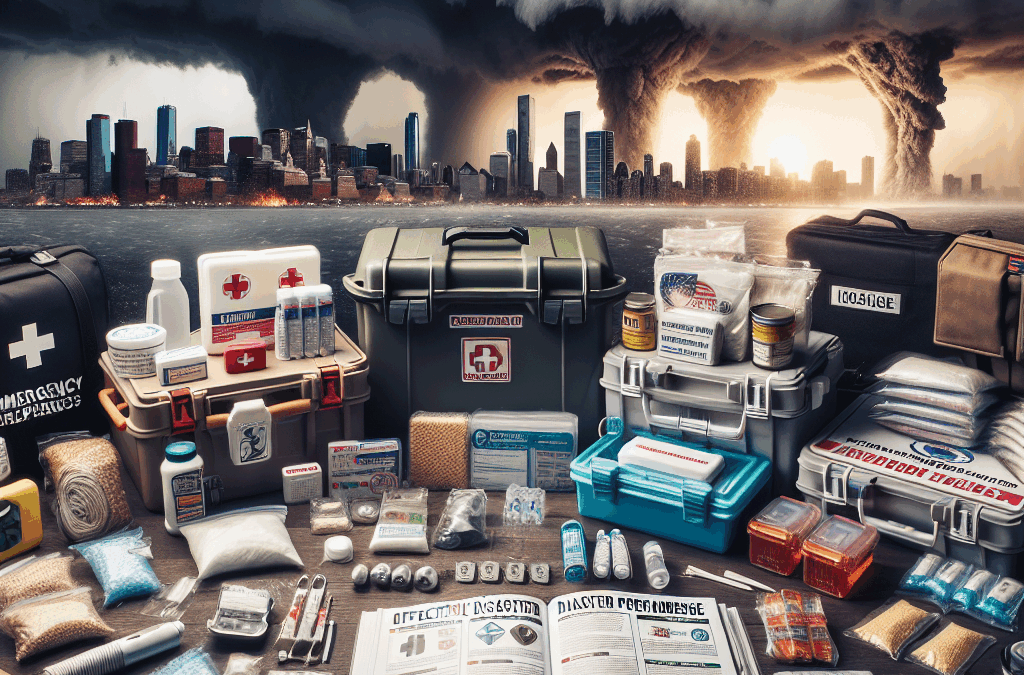
Creating an emergency kit is a core part of preparedness for natural disasters. An effective kit should contain essentials like water, non-perishable food, first aid supplies, batteries, flashlights, and necessary medications. In 2025, many families are augmenting their kits with additional items like portable chargers, multi-purpose tools, and hygiene products to handle prolonged disruptions.
Make sure your emergency supplies are accessible and stored in a designated location so your family can quickly grab the kit during an evacuation. Itâs recommended to review and update your supplies bi-annually to account for changing needs or expiration dates.
Practical advice includes labeling kits for different family membersâ needs and including important documents, such as copies of IDs and insurance papers, in waterproof containers. Investing in compact, lightweight gear ensures mobility if evacuation is necessary.
3. Creating a Family Communication Plan
Developing Clear Communication Strategies
Effective communication can make all the difference during a natural disaster. Developing a family communication plan ensures everyone knows how to reach each other, where to meet, and what to do if unplanned disruptions occur. In 2025, apps and online platforms facilitate quick information sharing, but traditional methods, like designated meeting points and written contact plans, remain essential.
Discuss and practice your plan regularly, especially with children and elderly family members. Use a shared document or a printed sheet kept in multiple locations to prevent loss of information.
Including out-of-area contacts in your plan can help coordinate efforts if local circumstances prevent communication. This layered approach ensures your preparedness for natural disasters is thorough and effective.
4. Structural Hazard Mitigation
Strengthening Building Foundations
One of the long-term strategies in preparedness for natural disasters is ensuring that your home and structures are built or retrofitted to withstand local hazards. For instance, in earthquake-prone areas, seismic reinforcements and flexible foundations are crucial. In 2025, building codes are increasingly emphasizing disaster-resilient construction techniques.
Retrofitting older buildings can significantly reduce potential damage and ensure safety for occupants. Simple improvements include installing hurricane shutters, reinforcing roofs, or adding sump pumps to prevent flood damage.
Consulting with structural engineers or contractors knowledgeable in disaster-resistant design can help identify vulnerabilities and implement cost-effective solutions. Proactive mitigation minimizes risks and accelerates recovery after a natural disaster.
Conclusion
In 2025, effective preparedness for natural disasters requires a comprehensive approach that combines technology, planning, community engagement, and resilience strategies. By implementing these 10 effective strategies â from early warning systems to mental health support â you can significantly increase your safety and ability to recover quickly. Staying proactive and informed ensures you’re ready for whatever natural events may come. Remember, preparedness for natural disasters is an ongoing process that empowers you and your loved ones to face future challenges confidently.
Frequently Asked Questions
1. Why is preparedness for natural disasters important in 2025?
As climate change accelerates, the frequency and intensity of natural disasters are increasing. Being prepared helps save lives, reduces property damage, and ensures quicker recovery. In 2025, advanced technology and improved planning make preparedness more accessible and effective than ever.
2. How often should I update my emergency kit?
You should review and update your emergency kit at least twice a year. Check expiration dates, replenish consumables, and adjust supplies based on changes in your family or new risks.
3. What are some common mistakes in preparedness for natural disasters?
Common mistakes include not creating a detailed family plan, failing to regularly maintain emergency supplies, neglecting to consider mental health, and ignoring local hazard assessments. Avoid these pitfalls to improve your overall readiness.
4. How can I improve community resilience in natural disasters?
Engaging with local organizations, participating in community drills, and sharing information with neighbors strengthen collective preparedness. Community resilience relies on proactive collaboration and resource sharing.
5. What are the top trends in preparedness for natural disasters in 2025?
Emerging trends include integrating AI and IoT technology for better early warning, smart home disaster mitigation devices, and increased focus on mental health support. Staying informed about these trends helps you adapt your preparedness strategies effectively.
Mastering urban survival skills begins with a solid foundation of mental preparedness. In 2025, urban environments face evolving threats such as natural disasters, civil unrest, and cyber emergencies. Being aware of your surroundings and understanding potential hazards enables you to react swiftly and effectively. For example, recognize the signs of social unrest or infrastructure failure early.
Developing situational awareness involves paying attention to your environmentâpeople, sounds, and activitiesâso you can anticipate potential dangers. This awareness helps you avoid panic and make smarter decisions during crises. Regular mindfulness exercises can sharpen this skill, allowing you to stay alert without becoming overwhelmed.
Building Psychological Resilience
Urban survival skills are not just physical but mental too. Stress management and resilience are crucial, especially when facing chaos or unpredictability. Cultivating a calm mindset helps you assess threats rationally and act decisively. Techniques like visualization and controlled breathing can keep panic at bay during emergencies.
Moreover, mental preparedness involves knowing your own limits and preparing for worst-case scenarios. Consistent mental drillsâlike imagining evacuation routes or medical responsesâcan boost confidence. Preparing psychologically ensures youâre ready for anything in 2025âs dynamic urban landscape.
2. Urban Navigation and Route Planning
Mastering Urban Map Skills
Effective urban survival skills require excellent navigation abilities. Familiarize yourself with city maps, both digital and paper-based. Know key landmarks, alternate routes, and safe zones. In 2025, with reliance on GPS technology, itâs vital to also have traditional navigation skills in case of tech failure. A good practice is to plan multiple routes from your home to work or other critical locations.
Implementing the “breadcrumb” methodâleaving markers or noting landmarksâcan help retrace your steps. Practicing route planning regularly ensures quick decision-making during an emergency, such as avoiding congested or dangerous areas.
Preparing for Disruptions
Threats like infrastructure breakdowns or cyber attacks can compromise your navigation tools. Always have an offline map app or printed maps ready. Consider designing a personal navigation plan that includes safe shelters, medical stations, and supply points. Staying adaptable is keyâbe ready to alter routes based on changing conditions.
In 2025, integrating AI-driven navigation apps with real-time hazard updates can be a game-changer. However, donât solely rely on technologyâcombine it with traditional skills for maximum safety.
3. Communication Techniques and Tech Skills
Staying Connected in Emergencies
Effective communication is a cornerstone of advanced urban survival skills. In a crisis, maintaining contact with loved ones and authorities can be life-saving. Learn to use multiple devicesâsmartphones, radios, and walkie-talkiesâand understand their ranges and limitations. Consider long-range communication methods for extended scenarios.
Establishing a communication plan with friends or family before an incident ensures everyone knows how to reconnect. Create coded messages for quick, discreet alerts. In 2025, leveraging encrypted messaging apps or satellite devices offers added security against surveillance or hacking.
Learning Signal and Non-verbal Communication
In crowded cities, noise and chaos can hinder verbal communication. Mastering non-verbal signals and signsâlike flashlight Morse code or gesturesâcan help in coordinating with others quietly. Practice clear, universal signals to indicate danger, help needed, or directions.
Building a rapport with neighbors or community groups also enhances collective survival skills. Strong local networks can provide mutual support, resources, and safety during urban emergencies.
4. Urban First Aid and Medical Response
Basic First Aid Skills
Knowing how to administer first aid is essential for urban survival skills. In 2025, urban incidents such as accidents, violence, or fires are common. Learning CPR, wound dressing, and fracture stabilization can make the difference between life and death. Keep a well-stocked first aid kit accessible at all times.
Attend certified first aid courses regularly to stay updated on the latest techniques. Practice scenarios help strengthen your reaction time and confidence in emergencies.
Dealing with City-Specific Medical Challenges
Urban environments pose unique health risks, including exposure to pollutants, communicable diseases, and contaminated water sources. Recognize symptoms of common issues like heatstroke, hypothermia, and infections. Know how to purify water or create makeshift sanitation solutions if municipal services are disrupted.
Building a network with local healthcare providers or rescue teams can also improve your medical response capabilities. Being prepared means not only knowing first aid but also understanding when and how to seek professional medical assistance.
5. Finding and Building Shelter in the City
Identifying Safe Shelter Locations
Urban survival skills include knowing where to find immediate shelterâabandoned buildings, subway stations, or community centers. Prioritize structurally sound sites that offer protection from elements and threats. In 2025, as city infrastructure ages, inspecting potential shelter spaces carefully is critical.
Scout ahead during normal times for hidden or protected areas that could serve as emergency shelters. Building familiarity with your environment boosts response speed when needed.
Improvised Shelter Construction
When traditional shelter isnât available, learn to construct makeshift refuges using available materialsâplastic sheeting, urban debris, or furniture. Techniques like layering and waterproofing increase safety and comfort. For example, creating a small attic hideout or utilizing urban infrastructure can provide temporary safety.
Ensure your shelter offers privacy, protection from weather, and low risk of detection. Practice building quick, safe shelters regularly to enhance your urban survival skills in high-pressure moments.
6. Urban Food Sourcing and Water Collection
Identifying Edible Urban Resources
Secure food and water in the city is vital. Learn to identify safe urban foraging optionsâurban farms, community gardens, and discarded food sources. Some plants and insects can be safely consumed, but always research local regulations and risks.
Over time, establishing contacts with urban farmers or community-supported agriculture (CSA) groups can provide reliable food sources. Stockpiling non-perishable essentials and knowing local produce locations is a good practice for 2025 survival.
Water Collection and Purification Techniques
Water is often overlooked but critical for survival. Urban water sources include rain gutters, manholes, or contaminated streams. Mastering purification methodsâboiling, filtration, chemical tabletsâcan reduce disease risks. In 2025, consider portable filtration devices that are compatible with city water sources.
Incorporating rainwater harvesting or unconventional collection methods ensures a sustainable supply. Safe water management greatly enhances your urban survival skills and resilience.
7. Escaping and Securing Closed Spaces
Strategies for Safe Exits
In emergencies like fires or lockdowns, knowing how to escape from closed spaces is critical. Practice multiple exit strategies for buildings, vehicles, or confined areas. Identify secondary routes and know how to open windows or doors quickly.
For urban survival skills, drills should include scenarios focusing on stealth and speed, minimizing panic and confusion during evacuation.
Securing Your Location
Once inside, securing your space involves locking doors, reinforcing windows, and creating barriers. Use furniture or available materials to fortify entry points. For added security, set up alarms or signals to alert you of intruders.
Maintaining situational awareness even when inside offers peace of mind and better control over your environment during ongoing threats.
8. Navigating Laws, People, and Social Dynamics
Understanding Local Laws and Regulations
Urban survival skills extend into understanding your cityâs laws, especially in crisis situations. Knowing what you can or cannot do avoids legal complications while maintaining safety. For example, some cities have strict looting laws or curfews during emergencies.
Stay informed through official channels and community groups about legal updates and safety advisories. Respecting legal boundaries enhances your chances of survival without unnecessary conflicts.
Building Trust and Alliances
Social dynamics play a significant role in urban survival. Building trust within your community can lead to mutual aid, resource sharing, and protection. Establishing rapport with neighbors or local groups creates a support network.
Practice effective communication, fairness, and leadership to foster cooperation. In 2025, community resilience is increasingly recognized as a key component of urban survival skills.
9. Using Technology and Hybrid Survival Strategies
Leveraging Digital Tools
In 2025, technologyâs role in urban survival is more prominent than ever. Apps for emergency alerts, GPS tracking, and offline maps are invaluable resources. Also, battery backups and solar chargers ensure your devices stay powered when city supplies are disrupted.
Additionally, using drones or surveillance devices can assist in reconnaissance and assessing hazards remotely. Hybrid strategiesâcombining high-tech and traditional skillsâmaximize your survival potential.
Practical Off-grid and Low-tech Alternatives
Technology isnât always reliable, so have low-tech alternatives ready. Paper maps, compasses, and physical emergency kits form the backbone of resilient urban survival skills. Practice troubleshooting tech failures and fallback plans.
Adapting to both digital and manual methods allows you to respond dynamically to city crises in 2025.
10. Continuous Skill Development and Practice
Regular Drills and Simulations
Learning urban survival skills is an ongoing process. Regular drillsâevacuations, medical responses, and resource managementâhelp solidify skills under pressure. Incorporate realistic scenarios to keep your training engaging and effective.
Join community preparedness groups or workshops that simulate urban emergencies. Practice enhances your confidence and preparedness for unpredictable situations in 2025.
Staying Updated and Adapting
The urban landscape continually evolves, with new threats and technologies emerging. Keep yourself informed through credible sourcesâgovernment agencies, survival experts, and urban planners. Adapt your skills accordingly to stay ahead.
Invest in learning new techniques, updating equipment, and reassessing your plans annually. Being proactive ensures your urban survival skills remain relevant and effective in 2025 and beyond.
Frequently Asked Questions
1. What are the most important urban survival skills to learn in 2025?
Key skills include mental preparedness, urban navigation, first aid, shelter building, and tech usage. Combining these with social awareness enhances your overall readiness.
2. How can I improve my urban survival skills today?
Start by attending preparedness courses, practicing drills, and building a reliable kit. Regular practice and staying updated on urban hazards are essential.
3. Why is continuous practice vital for urban survival skills?
Frequent drills ensure skills become second nature, reducing panic during actual emergencies. The urban environment constantly changes, so ongoing training is necessary.
4. How does technology aid urban survival in 2025?
Technology provides real-time information, communication, and navigation tools. However, combining high-tech with manual skills creates a more resilient approach.
5. Where can I learn more about urban survival skills?
Look for local community workshops, online courses, and credible survival organizations. Internal links to resources () can further enhance your preparation.
Conclusion
Mastering these 10 effective urban survival skills is essential for thriving in the unpredictable urban landscape of 2025. From mental resilience to technical prowess, each skill contributes to your overall preparedness. Remember, the key to effective urban survival in 2025 lies in continuous learning, adaptability, and practical application of these skills. By investing in your readiness now, you ensure safety and confidence in any city crisis that may arise.
When calamity strikes, being prepared can make all the difference. Disasters come in various forms—natural, technological, or even man-made—and understanding these types is crucial. Earthquakes, hurricanes, floods, fires, and pandemics are just a few examples. Each type demands specific preparations and responses. Familiarize yourself with potential risks in your area; knowledge is power.
Now that you understand the threats you might face, let’s talk about crafting a comprehensive emergency plan. Start by assessing your household’s needs: who needs special assistance? Do you have pets? Next, establish communication protocols. Designate a meeting point in case you’re separated and ensure everyone knows how to reach each other through texts or calls. Consider creating an emergency contact list that includes relatives and friends outside your immediate area—this will be invaluable if local networks are down.
Once your plan is in place, it’s time to build an essential disaster kit. This isn’t just about grabbing random supplies; it requires thoughtful consideration of what you might need when disaster strikes. Include non-perishable food items like energy bars and canned goods, sufficient water (at least one gallon per person per day), flashlights with extra batteries, first-aid supplies, whistle for signaling help, dust masks to filter contaminated air, moist towelettes for personal sanitation, and essential medications. Don’t forget important documents as well—copies of IDs and insurance policies should be stored safely yet accessibly.
Staying informed during a crisis can be life-saving. Reliable sources for updates include government websites such as FEMA or NOAA for weather alerts and local news stations that provide real-time information on unfolding situations. Social media platforms can also help spread information quickly but verify facts before making decisions based on them.
Preparing not only your home but also your community fosters resilience in times of chaos. Reinforce structures where necessary—install storm shutters or secure heavy furniture to walls if you live in a high-risk area for earthquakes or hurricanes. Encourage neighbors to form support groups; sharing resources strengthens communal bonds during emergencies.
Equally important is emotional resilience—a critical aspect often overlooked when discussing disaster preparedness. Coping strategies vary from person to person but may include mindfulness practices like meditation or yoga that help manage stress levels before and after an event occurs. Engage with loved ones; talking about fears can alleviate anxiety while reinforcing support systems during tough times.
Lastly, consider seeking professional counseling if traumatic experiences linger long after the disaster has passed—mental health plays a vital role in recovery.
To wrap up, don’t wait for the storm to take action! Equip yourself with knowledge about disasters specific to your region; formulate a detailed emergency plan tailored to your family’s needs; compile an effective disaster kit stocked with essentials; stay connected through reliable information channels; reinforce both home safety measures and community ties; nurture emotional resilience proactively. By taking these steps now, you’ll safeguard not just lives but livelihoods too when faced with unforeseen crises!