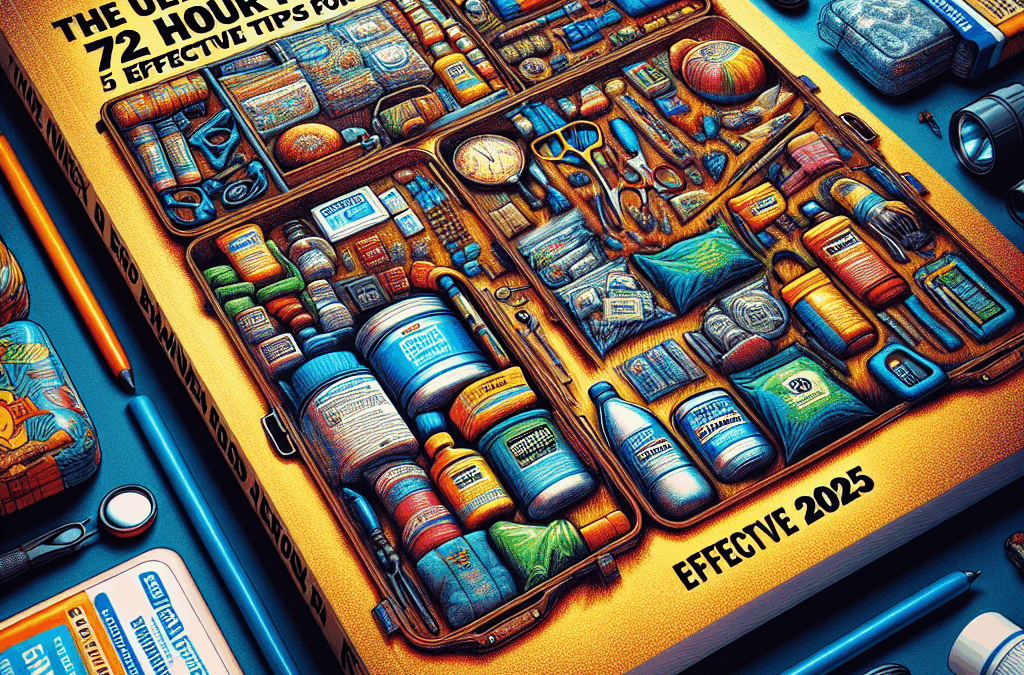
A 72 hour preparedness kit, often called a “bug-out bag” or emergency survival kit, is a collection of essential supplies designed to sustain you and your family for three days during a disaster or unexpected event. This timeframe aligns with the typical response window for emergency services, making it a critical part of your overall preparedness plan. In 2025, having a well-packed 72 hour preparedness kit can be the difference between safety and hardship.
Creating this kit means thoughtfully selecting supplies that cover your basic needs: water, food, shelter, medical care, and communication. It’s a portable, lightweight package that you can grab quickly when disaster strikes. Whether it’s an earthquake, flood, or power outage, your 72 hour preparedness kit provides peace of mind and readiness.
Over the years, I’ve learned that a preparedness kit is far more than just a collection of items â it’s a tangible safety net. Proper planning ensures itâs always ready and tailored to your specific circumstances and regional risks.
2. Importance of preparedness in 2025
Growing global risks and climate change
In 2025, our world faces unprecedented challenges related to climate change, natural disasters, and even geopolitical conflicts. Recent data indicates a 15% increase in climate-induced disasters over the past five years, emphasizing the need for individual preparedness.
Having a reliable 72 hour preparedness kit ensures youâre ready for sudden events like wildfires, hurricanes, or severe storms. Staying prepared is especially important as emergency response times may be longer due to strained infrastructure.
This kit acts as your immediate protection while waiting for aid or evacuation, making it a vital part of your overall resilience strategy.
3. How to customize your kit
Personal needs and regional considerations
One size doesn’t fit all when it comes to a 72 hour preparedness kit. Customization ensures your kit addresses your family’s specific needs, regional hazards, and personal preferences. For example, if you live in an area prone to cold winters, include extra warm clothing and blankets.
Consider dietary restrictions or medical conditionsâpeople with allergies or chronic illnesses need specialized supplies. Adding extra medications or medical devices can be life-saving during an emergency.
My advice is to regularly review your kit and adjust it based on seasonal changes, health status, or new regional threat assessments. This proactive approach keeps your kit relevant and effective.
4. Choosing the right backpack or container
Durability and portability considerations
When selecting a container for your 72 hour preparedness kit, durability is key. Look for backpacks made from high-quality, water-resistant materials that can withstand rough handling and weather exposure. Comfort is equally importantâan ergonomic design reduces fatigue during transport.
Size matters too; your kit should be compact enough to carry easily but spacious enough to hold all essential items. I recommend choosing a lightweight model with multiple compartments for organized storage.
Investing in a good container ensures that your supplies stay safe, dry, and accessible during an emergency. Remember, a well-chosen pack makes your 72 hour preparedness kit more functional and reliable.
5. Essential water supplies
How much water do you need?
Water is the most critical component of any 72 hour preparedness kit. The general recommendation is to carry at least one gallon of water per person per day, totaling a minimum of three gallons for three days. This covers drinking, hygiene, and cooking needs.
In 2025, innovative water purification methodsâlike portable filters and UV sterilizersâare compact and highly effective. Including these in your kit provides a backup if your stored water runs out or becomes contaminated.
Regularly rotating your water supplies and keeping them in sealed, food-grade containers will prevent spoilage. Making hydration a priority in your kit design is essential for survival and wellbeing during emergencies.
6. Food options for emergency meals
Long-lasting and nutritious foods
Choosing non-perishable, nutrient-dense foods is vital for your 72 hour preparedness kit. Items like energy bars, dried fruits, canned goods, and freeze-dried meals provide sustenance without taking up much space. In 2025, many options are lightweight, easy to prepare, and long-lasting.
I recommend packing a mix of ready-to-eat foods and items that can be prepared with minimal water. Including a small portable stove or heating device can expand your cooking options.
Always consider dietary preferences and allergies. Labeling food items and rotating stock ensures freshness and readiness when you need it most.
7. First aid supplies and medical kit
Immediate care essentials
An effective 72 hour preparedness kit must include a well-stocked first aid kit. Basic items like bandages, antiseptic wipes, pain relievers, and medical gloves should be complemented with any specialized medications your family needs.
In 2025, portable and compact first aid kits with advanced features are available. Including items like a thermometer, CPR mask, and emergency blanket can be crucial during crises.
8. Tools and multi-purpose gadgets
Multipurpose tools for unforeseen needs
Having reliable tools in your 72 hour preparedness kit can make a big difference. A multi-tool, flashlight, duct tape, and a foldable knife are must-haves. These gadgets can assist with repairs, shelter building, or other emergency scenarios.
In 2025, high-tech gadgets like compact solar chargers and portable power banks are becoming standard components. These enable you to keep devices powered and stay connected longer.
Organized and accessible tools allow you to adapt quickly to various challenges â from fixing equipment to making your environment safer.
9. Power sources and batteries
Keeping devices charged during an outage
In an emergency, communication is critical. Including portable power banks, solar chargers, and extra batteries ensures your devices stay operational. In 2025, advances in battery technology have led to longer-lasting and more reliable power sources.
It’s wise to pre-charge all power devices and store spare batteries in a sealed container. This way, you’ll have backups when your main sources run out.
Strategic planning for energy needs minimizes disruption. Reliable power sources in your 72 hour preparedness kit can be lifesaving, especially for communication and navigation tools.
10. Personal hygiene items
Maintaining health and sanitation
Good hygiene prevents illness during a crisis. Pack essentials like soap, hand sanitizer, wet wipes, toothbrush, toothpaste, and feminine hygiene products. Small, travel-sized items fit well into your kit without adding weight.
In 2025, biodegradable and eco-friendly hygiene supplies are gaining popularity, combining safety with environmental consciousness. Including these aligns with sustainable preparedness practices.
Regularly inspect and replace hygiene items to ensure readiness. Maintaining cleanliness is a simple yet vital step for health and morale during emergencies.
11. Important documents and communication devices
Storing critical information securely
Keep digital and physical copies of important documentsâID, insurance policies, medical recordsâin a waterproof container. Digital backups on encrypted USB drives can be lifesaving.
Communication devices like a battery-powered or hand-crank radio help stay informed about evolving situations. In 2025, multi-band radios with NOAA alerts are common and reliable.
Planning ahead ensures you can access vital information quickly, stay connected with loved ones, and coordinate during crises.
12. Clothing and weather-appropriate gear
Layering and protecting yourself
Appropriate clothing can make or break your comfort and safety. Pack versatile items like waterproof jackets, sturdy shoes, hats, and thermal layers. Seasonal adjustment is key, especially in regions with extreme weather variations.
In 2025, quick-drying and moisture-wicking fabrics are highly recommended for layered clothing.
Always include extra socks and underwear, and consider protective gear like gloves or masks, depending on your environment. Proper clothing enhances resilience and well-being in emergencies.
13. Lighting solutions
Illumination during power outages
Reliable lighting is crucial for safety and communication at night. Pack LED flashlights, headlamps, and extra batteries. Hand-crank or solar-powered lights are excellent eco-friendly options for 2025.
Consider glow sticks or lanterns for ambient light and emergency signaling. Organize lighting sources in accessible spots in your kit.
Ensuring adequate light promotes safety, reduces panic, and supports visibility for various tasks around your shelter.
14. Cash and financial preparedness
Accessing funds during a crisis
Cash is king during power outages or banking disruptions. Store small bills in a waterproof container as part of your 72 hour preparedness kit. In 2025, digital transactions might be limited, so cash can be vital.
Keep records of your financial information separately, securely, for quick access.
Having emergency funds on hand allows you to purchase supplies or cover unforeseen expenses without relying solely on electronic systems.
15. Personal safety equipment
Protecting yourself and loved ones
Personal safety items, such as pepper spray, whistles, or personal alarms, can provide added security in chaotic situations. In crowded or unfamiliar environments, these tools offer peace of mind.
In 2025, some safety devices integrate GPS tracking or mobile alerts, increasing their effectiveness.
Always ensure youâre familiar with the legal status and proper use of security gear in your area. Preparedness includes awareness and protection strategies.
16. Special needs items for children or seniors
Ensuring the needs of vulnerable populations
Include supplies tailored for childrenâdiapers, formula, toysâand seniorsâmedications, mobility aids. Adequate preparation reduces stress for those with special needs.
In 2025, adaptive devices and assistive technology are more accessible and vital for inclusive emergency readiness.
Proactively planning for these needs ensures all family members are cared for during an emergency and have the tools necessary to stay safe.
17. Pets and their supplies
Emergency pet preparedness
Donât forget your furry friends! Pack extra food, water, medication, and comfort items for pets. A portable pet carrier is essential for safe transport.
In 2025, pet-friendly shelters and resources are evolving. Being prepared with pet supplies ensures your animals’ safety and reduces chaos during evacuation.
Planning ahead minimizes the stress and fosters responsible preparedness for all family members, including pets.
18. Information on local hazards and planning
Researching regional threats
Understanding the specific risks in your areaâsuch as tornadoes, earthquakes, or floodsâguides your kit customization. Local government websites often provide hazard maps and preparedness tips.
In 2025, smart sensors and community apps offer real-time alerts, helping you stay updated and adapt your plans accordingly.
Having knowledge about local hazards ensures your 72 hour preparedness kit addresses your actual needs effectively.
19. Maintenance of your kit
Regular inspections and updates
Storing your 72 hour preparedness kit isnât a one-time task. Schedule quarterly reviews to check expiration dates, replace used supplies, and update personal information.
In 2025, consider digital inventories and reminder apps to streamline maintenance. Proper upkeep guarantees your kit remains ready when needed.
An out-of-date kit is ineffective; proactive maintenance is key to effective preparedness planning.
20. Storing your kit securely
Safe and accessible storage solutions
Choose storage locations that are easily accessible during a disaster but also secure from theft or damage. Typical spots include closets, basements, or garage cabinets.
In a world where natural disasters and unexpected emergencies are becoming increasingly common, the importance of emergency preparedness cannot be overstated. Being proactive rather than reactive can mean the difference between chaos and calm when crises strike. Understanding what it means to be prepared is your first step toward safeguarding yourself, your loved ones, and your community.
Emergency preparedness starts with recognizing that emergencies can happen at any time. Whether it’s a hurricane, an earthquake, or even a public health crisis, having a plan in place ensures you can respond effectively. It’s not just about personal safety; proper preparation helps alleviate stress during critical moments. When you know what to do and where to go, you empower yourself to act decisively rather than scramble for solutions in panic.
So, what constitutes an effective emergency plan? At its core, it should address several key components: risk assessment, communication strategies, evacuation routes, and local resources. Begin by evaluating potential hazards in your area—are floods or wildfires more likely? Knowing these risks allows you to tailor your plan accordingly. Next comes communication; establish clear lines for contacting family members or friends during an emergency. Make sure everyone knows how to reach each other if phone lines become congested or power goes out. Additionally, map out multiple evacuation routes from your home—think ahead about traffic patterns and nearby shelters that may offer refuge.
Now that you have a solid plan in place, let’s talk about building your emergency supply kit—a critical element of preparedness. Essentials typically include water (one gallon per person per day for at least three days), non-perishable food items, a flashlight with extra batteries, first-aid supplies, and important documents stored securely in waterproof containers. But don’t stop there! Consider adding items like medications for chronic conditions or basic hygiene supplies such as hand sanitizer and sanitary products. Tailor the kit based on individual needs: if you have pets, include food and water specifically for them as well.
However, having a well-stocked kit isn’t enough; training and drills are crucial components for mastering emergency preparedness. Regular practice helps reinforce the steps needed during an actual event when adrenaline might cloud judgment. Schedule family drills biannually so everyone knows their roles—who grabs the emergency kit? Who checks on neighbors or pets? These rehearsals make protocols instinctive rather than forgettable under pressure.
Ultimately, staying informed is vital in maintaining readiness over time. Leverage available resources such as local government alerts via text messages or email subscriptions for updates on severe weather warnings or public safety announcements. Social media platforms often provide real-time information but come with caution; verify sources before acting on news updates. Communication strategies must also extend beyond family members—consider joining neighborhood watch groups or community forums focused on disaster management.
To wrap up, mastering emergency preparedness is an ongoing process filled with learning opportunities and evolving strategies tailored to fit unique circumstances. By embracing this proactive mindset—understanding risks ahead of time while building plans rooted in reliable information—you can navigate emergencies with confidence rather than fear. Remember: it’s always better to be prepared today than reactive tomorrow!
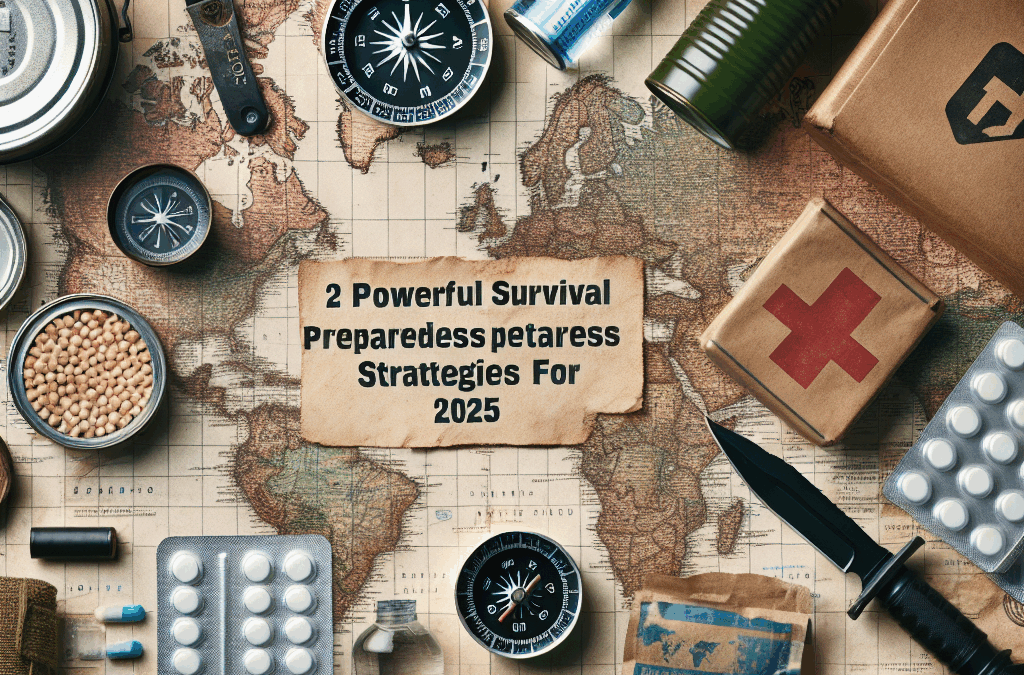
Creating an emergency kit is a cornerstone of effective survival preparedness. Your kit should contain essentials like water, food, first aid supplies, and hygiene products. In 2025, it’s recommended to have at least a three-day supply for each family member, but aiming for a week or more adds extra security.
Include items that cater to specific needs such as medications, documents, and tools. For example, a battery-powered radio, flashlight, extra batteries, and a multi-tool are vital components. The key is to tailor your kit based on your environment and personal circumstances.
Remember, an emergency kit isnât just about quantity; quality and accessibility matter. Store your supplies in an easy-to-carry container and ensure everyone in your household knows where it is.
Maintaining Your Emergency Kit
Regularly check your emergency kit to replace expired items and update supplies as needed. In 2025, technological advancements have made it easier to include solar-powered chargers and rechargeable batteries, ensuring your electronics stay operational.
Plan routine inventory checks every six months. Label items with expiration dates and replace them proactively to avoid shortages when disaster strikes. Keeping your kit up-to-date is a simple yet effective survival preparedness step.
Practical tip: Keep a duplicate kit in your car and your home for maximum coverage. This way, youâre prepared wherever you are.
2. Develop a Comprehensive Emergency Plan
Creating Your Family Emergency Plan
Having an emergency plan is crucial for survival preparedness. In 2025, many families fail to plan adequately, which can lead to chaos during crises. Sit down with your family to discuss and document your plan, including evacuation routes, meeting points, and communication protocols.
Ensure everyone knows their roles and what to do in different scenarios, such as natural disasters, civil unrest, or power outages. Practice your plan regularly through drills to improve response times and confidence.
Use digital tools like shared cloud documents or emergency planning apps to keep everyone informed and updated in real-time.
Communication During Emergencies
Establish a communication strategy that includes multiple methods: cell phones, walkie-talkies, and emergency contact lists. In 2025, satellite communication devices are becoming more affordable and reliable, making them a smart addition to your survival preparedness plan.
Designate a family member or friend outside your immediate area as your primary emergency contact. This person can coordinate your updates and relays to others, especially during widespread crises.
Keep a physical copy of your emergency plan in your survival kit and another at home for quick reference.
3. Secure Clean Water Supplies
Water Storage Solutions
Water is perhaps the most critical resource for survival preparedness. In 2025, experts recommend storing at least one gallon of water per person per day for a minimum of three days, but longer-term storage is better. Use food-grade storage containers and consider multiple sources, such as bottled water, rain barrels, or large water tanks.
Additionally, keep a supply of water purification supplies, including filters, tablets, and boiling equipment. Purification ensures you can safely use water from natural sources in emergencies.
Practical tip: Rotate your stored water regularly and keep it in a cool, dark place to prevent bacterial growth and degradation.
Finding and Purifying Natural Water Sources
Knowing how to find and purify natural water sources can significantly boost your survival preparedness. In urban areas, consider caches and stored supplies, but in rural or wilderness scenarios, natural water bodies are vital.
Learn how to identify clean water sources and purify them effectively. Boiling water for at least one minute, or longer at higher altitudes, kills most pathogens. Using advanced water filters, like ceramic or UV purifiers, can also provide safe drinking water in crisis situations.
Remember, always treat or filter water before consumption to avoid waterborne illnesses that could compromise your health during critical times.
4. Stockpile Nutritious Food
Long-Term Food Storage Tips
Stockpiling food is an essential survival preparedness strategy for 2025. Focus on nutrient-dense, non-perishable foods like canned goods, dried grains, freeze-dried meals, and legumes. Aim for a diverse supply to cover dietary needs and preferences.
Store food in cool, dark, dry places to maximize shelf life. Use airtight containers and oxygen absorbers to preserve freshness and prevent pest infestation.
Consider purchasing foods with longer shelf lives, some lasting up to 25 years, and schedule regular inventory checks to rotate stock.
Meal Planning for Emergencies
Effective survival preparedness involves more than just storing foodâplan your meals around your supplies. Think about easy-to-prepare options that require minimal cooking, especially if fuel or electricity sources are unavailable.
Learn how to incorporate foraged items, and DIY dehydrated foods, or even grow your own survival garden at home as long-term options for food security.
Having a balanced diet helps maintain morale and energy levels, which are critical during stressful survival situations.
5. Learn Basic Medical Skills
First Aid and Beyond
Knowing basic medical skills is a vital component of survival preparedness. In 2025, first aid techniques have become more accessible with online courses and simulation apps. Being able to treat cuts, burns, or even perform CPR can save lives during emergencies.
Consider obtaining a first aid certification and assemble a comprehensive first aid kit tailored for your familyâs needs. Include items like bandages, antiseptics, pain relievers, and specialty supplies such as splitters for splints.
Learn how to identify and treat common injuries, manage infections, and recognize signs of serious health issues that require professional attention.
Growing Your Medical Knowledge
Expand your medical knowledge through workshops, credible online resources, and survival manuals. In 2025, telemedicine options can assist when professional help isn’t immediately available, so having a list of reliable contacts or telehealth services can be a game-changer.
Upcoming innovations include portable diagnostic devices and telehealth consultations that make managing health in survival situations more feasible than ever.
Practical tip: Regularly review medical instructions and practice essential skills to stay prepared.
6. Master Self-Defense Techniques
Personal Defense Skills for Survival
Self-defense is a critical aspect of survival preparedness. In 2025, self-defense classes have incorporated new techniques suitable for various scenarios, including urban unrest and wilderness encounters.
Focus on learning basic skills such as situational awareness, physical techniques, and the use of personal safety tools like pepper spray or tactical flashlights. Practice regularly to build confidence and muscle memory.
Having the ability to protect yourself and your loved ones can make a significant difference during unpredictable threats.
Legal and Ethical Considerations
Understand the legal regulations surrounding self-defense tools and techniques in your area. Respecting local laws ensures youâre prepared without risking legal complications.
Courses from certified instructors also cover ethical considerations, teaching responsible use of self-defense methods in life-threatening situations.
Remember, self-defense isn’t just about physical skillsâbeing aware and prepared reduces the likelihood of needing to defend yourself in the first place.
7. Keep Up with Weather & Disaster Alerts
Using Technology for Early Warnings
In 2025, real-time alerts from weather apps and government notification systems are more reliable than ever. Staying informed allows you to act promptly on impending disasters, whether storms, earthquakes, or other emergencies.
Set up multiple notifications across devices and subscribe to local alerts. Consider investing in a NOAA weather radio or satellite alerts for even more dependable communication, especially when conventional internet service fails.
Being proactive can save lives by ensuring your survival preparedness plan is activated before a disaster fully hits.
Monitoring Environmental Changes
Beyond official alerts, maintaining awareness of environmental changes such as water levels, soil stability, and fire risks can provide valuable hints of upcoming hazards. In 2025, affordable sensors and DIY monitoring kits are available for home use.
Regularly review local disaster risk maps and community alerts. Preparing in advance by understanding your area’s specific threat profile enhances your survival preparedness.
Tip: Join local community groups or online forums for shared situational awareness and support.
8. Build Self-Sufficiency Skills
Gardening and Food Production
Developing your own food source through gardening or small-scale farming enhances survival preparedness. In 2025, urban gardening techniques like vertical farms and hydroponics have gained popularity and accessibility.
Start with easy-to-grow crops like tomatoes, herbs, and leafy greens. Add composting and rainwater harvesting to maximize sustainability.
Skills in self-sufficient food production mean youâre less reliant on supply chains during crises, giving you a real advantage in uncertain times.
Alternative Energy & Resource Management
Adding renewable energy solutions like solar panels or wind turbines helps maintain power independence. In 2025, portable solar generators are more affordable and efficient than previous years.
Learn how to maintain and repair your energy systems, and incorporate energy-saving practices into your daily routine to extend your resources.
Practical tip: Invest in battery storage systems to maximize self-reliance when grid power is unavailable.
9. Create a Communication Strategy
Staying Connected During Crises
A solid communication strategy is vital for survival preparedness. In 2025, satellite phones and mesh networks are accessible options when traditional networks fail. These devices enable you to stay connected with loved ones and emergency services.
Establish clear protocolsâknow who to contact, ways to check in, and backup communication channels. Maintain device batteries and consider solar chargers to keep devices powered.
Practice your communication plan periodically to ensure everyone is familiar with it before an emergency occurs.
Information Sharing & Community Involvement
Sharing information within your community can improve collective survival preparedness. Participate in local training, drills, and resource-sharing initiatives.
Building a network of trusted neighbors can provide mutual aid, supplies, and support during tough times. Use social media judiciously to stay informed, but always have offline backups.
Solid communication and community support are game-changers in overcoming large-scale disruptions.
10. Continuous Education & Practice
Staying Informed & Skilled
The best survival preparedness strategies are only effective if you stay informed and practice regularly. In 2025, online courses, webinars, and local workshops make ongoing education easier than ever.
Regular drills, scenario planning, and skill refresher courses build confidence and ensure youâre ready when it counts. Keep up with new technologies and methods to adapt your preparedness strategies accordingly.
Remember, survival preparedness isnât a one-time effortâitâs a continuous process of learning, practicing, and refining your skills.
Adapting to Changing Threats
The landscape of potential threats is constantly evolving. Stay updated on emerging risks like cyber-attacks, pandemics, and climate change effects that could impact your safety.
Develop adaptable plans that can be modified as new information becomes available. Being proactive ensures your survival preparedness remains robust into 2025 and beyond.
Practice mindfulness and resilience to handle stress and uncertainty, both critical for long-term survival.
Conclusion
In todayâs unpredictable world, survival preparedness isnât just a hobbyâit’s a necessary and ongoing process. By applying these 10 powerful strategies for 2025, youâre taking meaningful steps to safeguard yourself and your loved ones against a multitude of potential emergencies. Remember, the key to effective survival preparedness lies in planning, practicing, and staying informed. The more you prepare now, the more resilient you’ll be when faced with real challenges. Stay vigilant, stay prepared, and make 2025 your most resilient year yet.
Frequently Asked Questions
1. What is the most important aspect of survival preparedness?
The most critical element is building a comprehensive plan that includes emergency supplies, communication, and skills. Proper planning ensures that you can respond effectively in a crisis.
2. How often should I update my survival preparedness supplies?
Itâs recommended to review and rotate your supplies every six months to a year, ensuring everything remains fresh and functional, especially perishable items and batteries.
3. Can I learn survival skills online?
Yes, many credible online resources and courses offer training in first aid, self-defense, and emergency response, making it easier to enhance your survival preparedness remotely.
4. Why is survival preparedness important for 2025?
As the world faces increasing natural and man-made threats, being prepared ensures your safety and that of your loved ones, helping you manage unforeseen emergencies more effectively.
5. How do I start building my survival preparedness plan?
Begin by assessing your risks, gathering essential supplies, creating an emergency plan, learning key skills, and regularly practicing scenarios. Small steps build confidence and resilience over time.