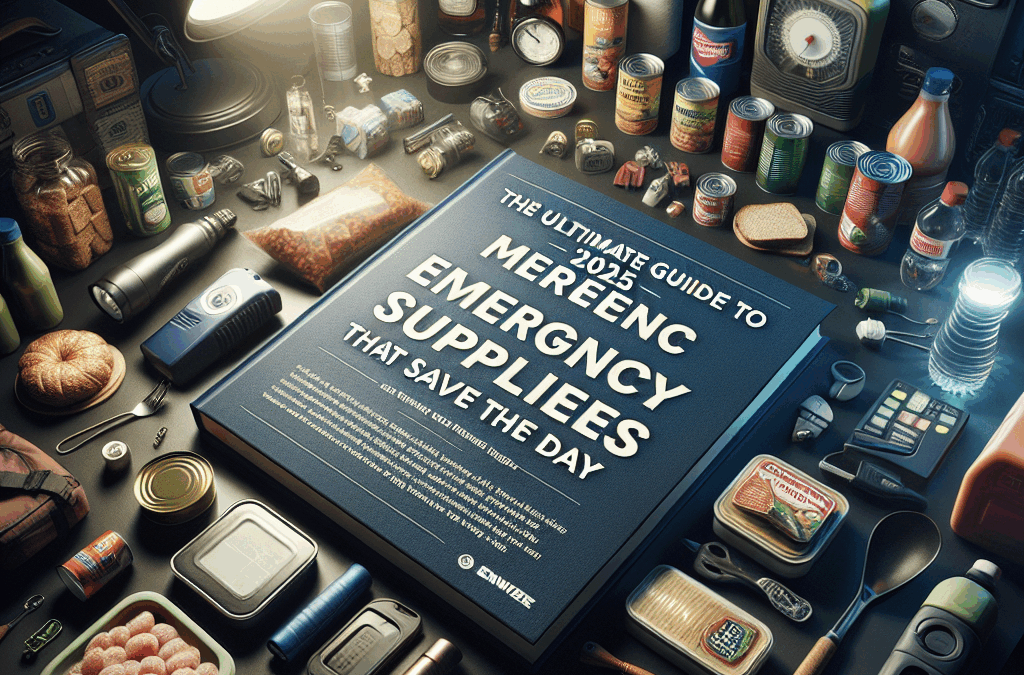
When disaster strikes, the difference between chaos and calm often hinges on one critical factor: preparedness. In a world where natural disasters, health emergencies, and unexpected crises can unfold at any time, understanding the need for emergency preparedness is paramount. It’s not just about weathering a storm; it’s about ensuring safety, maintaining peace of mind, and safeguarding loved ones.
The first step in this journey is recognizing the potential risks that could affect your area. Every community faces unique threats—from hurricanes and earthquakes to wildfires and floods. Take time to assess your specific environment: Are you in a flood zone? Is there a history of earthquakes? By identifying these hazards, you can tailor your preparation efforts accordingly. Understanding what might happen is crucial in developing a proactive approach rather than merely reacting when it’s too late.
Once you comprehend your risks, it’s time to build an emergency kit—your lifeline during an unforeseen situation. Essential supplies should include water (one gallon per person per day for at least three days), non-perishable food items, a flashlight with extra batteries, first-aid supplies, hygiene products, and vital documents securely stored in waterproof bags. Don’t forget items specific to family needs—medications or pet supplies can make all the difference when time is of the essence. Regularly check expiration dates and update contents as necessary; an outdated kit is hardly better than none at all.
Creating a family emergency plan transforms abstract ideas into actionable strategies. This involves establishing clear communication channels among family members to ensure everyone knows how to reach one another during a crisis. Designate meeting spots—both close by and further afield—in case evacuation becomes necessary. Having multiple routes mapped out minimizes confusion when seconds count.
Staying informed is essential amid emergencies that often evolve rapidly. Equip yourself with reliable resources for real-time updates; local news stations, emergency management websites, and mobile apps can keep you connected with vital information regarding weather alerts or evacuation orders. Consider investing in a NOAA Weather Radio which provides continuous broadcasts of weather information directly from national weather service offices.
All in all, remember that preparedness isn’t merely about having supplies but also about practicing them regularly. Conduct drills with your family so everyone knows their roles during an emergency scenario—be it evacuating the house due to fire or knowing how to respond during an earthquake. Repetition builds confidence; familiarity breeds assurance amidst chaos.
Engaging in training sessions can enhance skills like first aid or CPR certification that may save lives when every second counts.
In closing, transitioning from panic to peace requires commitment and foresight. By understanding your risks, assembling comprehensive kits, crafting an effective plan for communication and evacuation strategies while staying informed through trusted resources—and practicing regularly—you empower yourself and those around you against uncertainty’s unpredictability.
Emergency readiness isn’t just about surviving; it’s about thriving amid adversity!
Disasters can strike without warning, often leaving chaos in their wake. Whether it’s a natural calamity like hurricanes, earthquakes, or floods, or human-made events such as fires and terrorism, being prepared is crucial. In this guide, we’ll explore essential steps to ensure you and your family are ready when disaster strikes.
*Understanding the Risks: Identifying Potential Disasters in Your Area**
Every location comes with its unique set of risks. Start by researching the types of disasters that are most likely to occur in your region. Are you living in an earthquake-prone zone? Perhaps hurricanes frequently impact your area? Local government websites often provide valuable information regarding historical data on disasters. Additionally, community forums can be a good source for personal accounts and preparedness tips specific to your neighborhood. By identifying these risks, you can tailor your preparedness efforts effectively.
*Creating a Comprehensive Emergency Plan: Steps to Safeguard Your Family**
An effective emergency plan is your roadmap during a crisis. Gather your family together to discuss potential scenarios and establish clear communication routes. Designate meeting points—both near home and outside the immediate vicinity—in case you need to evacuate quickly. Ensure each family member understands their responsibilities during an emergency. Create a list of important contacts that includes local authorities, medical facilities, and relatives who live out of state. Regularly review and practice this plan; familiarity breeds confidence when every second counts.
*Building Your Disaster Supply Kit: Must-Have Items for Every Household**
Your disaster supply kit is a lifeline when access to stores and resources may be limited or entirely cut off. Start with the basics: water (one gallon per person per day for at least three days), non-perishable food items (think canned goods or energy bars), a flashlight with extra batteries, and a first aid kit stocked with essentials such as band-aids, antiseptics, and pain relievers. Don’t forget important documents—like identification and insurance policies—stored in waterproof bags! Remember to periodically check expiration dates on supplies; rotating items ensures they’re always ready when needed.
*Staying Informed: The Importance of Emergency Alerts and Communication**
In our digital age, staying informed is easier than ever—but it requires proactive effort! Sign up for local emergency alerts via text or email; many municipalities offer services that notify residents about severe weather warnings or evacuation orders directly from reliable sources. Invest in a battery-operated NOAA weather radio for real-time updates even during power outages. Keep communication lines open among family members so everyone knows where to find updates.
*Training for the Unexpected: Emphasizing Drills and First Aid Skills**
Preparation isn’t just about having supplies; it’s also about skill development through training exercises. Conduct regular drills with family members so everyone knows how to react instinctively during emergencies—practice evacuating your home swiftly or responding appropriately during an earthquake drill by “Drop, Cover, Hold On.” Furthermore, consider enrolling in CPR courses or first aid training sessions offered by organizations like the Red Cross; these skills can prove invaluable in critical moments.
*Community Connections: The Role of Neighbors in Emergency Preparedness**
Ultimately, never underestimate the power of community connections! Building relationships with neighbors fosters support networks that can be instrumental during crises. Organize neighborhood meetings focused on disaster preparedness to share resources and strategies—perhaps forming small groups dedicated to checking on one another after an event occurs could save lives! A united front not only strengthens individual households but fortifies entire communities against threats.
By taking these proactive steps toward disaster preparedness now, you will cultivate resilience within yourself—and those around you—for any challenges ahead!
In 2025, power outages are increasingly common due to extreme weather events, infrastructure aging, and grid vulnerabilities. Having the right emergency supplies for power outage can mean the difference between safety and chaos. Whether you’re living in a city experiencing blackouts or in a rural area prone to storms, being prepared is essential. Blackouts disrupt communications, water supply, and heatingâmaking it vital to stock up on supplies that ensure safety and comfort during such emergencies. This guide will walk you through the most critical items to have at hand so you’re ready to face any outage confidently.
Portable power banks are compact devices that store electricity to charge your devices during a power outage. In 2025, innovative models with higher capacities and faster charging times have become a must-have. They ensure that your smartphones, tablets, and small gadgets stay charged when the grid is down. Look for power banks with at least 10,000mAh capacity for reliable multiple charges.
The best portable power banks today include features like solar charging capabilities and USB-C fast charge. These enhancements make them suitable for longer outages, especially in remote areas where electricity access is limited. Investing in durable, weather-resistant models can further extend their usability.
Real-world use shows that having a portable power bank can prevent communication breakdowns during emergencies. Many families keep these devices in their emergency kits for quick access when needed.
Choosing the Right Power Bank
Select a power bank based on your device needs and expected outage duration. Consider the number of devices you need to power simultaneously, and choose models with multiple output ports. Also, check for built-in LED indicators showing battery life.
For prolonged outages, solar-powered or hand-crank options are excellent additions. They provide alternative charging methods when traditional electricity isnât available. Make sure to keep your power banks fully charged before an emergency strikes.
Remember, regularly testing your power banks and replacing old units ensures your supplies remain reliable when you need them most.
2. Emergency Flashlights and Headlamps
Types of Emergency Lighting
In 2025, choosing the right emergency lighting is crucial during power outages. Traditional flashlights, headlamps, and lanterns provide essential illumination while keeping your hands free. LED models dominate the market due to their brightness and energy efficiency, offering long battery life and durability.
Headlamps are particularly popular because they allow for hands-free operation, ideal for tasks like cooking, repairs, or navigating in the dark. When selecting emergency flashlights, look for waterproof and shock-resistant features to withstand tough conditions.
Many new models incorporate rechargeable batteries and solar charging capabilities, making them more sustainable and cost-effective over the long term.
Using and Maintaining Emergency Lighting
Proper maintenance involves regularly testing your flashlights and headlamps, replacing batteries when needed, and storing them in accessible locations. In 2025, smart LED lights with adjustable brightness and strobe functions enhance safety during blackouts.
Consider including lanterns or rope lighting systems for larger, shared spaces like living rooms or outdoor areas. These can provide ambient lighting and improve visibility during extended outages.
For maximum safety, keep spare batteries and chargers in your emergency supplies for power outage kitâpreparedness reduces chaos when darkness falls unexpectedly.
2025. Solar-Powered Weather Radios
Staying Informed During Power Outages
In 2025, weather radios powered by solar energy have become indispensable for emergency situations, especially during prolonged blackouts. These devices provide real-time updates on weather conditions, forecasts, and emergency alerts, ensuring you’re informed and can make timely decisions.
Modern solar radios often come with hand-crank chargers, allowing operation even without sunlight. Some models are equipped with Bluetooth connectivity and USB ports, expanding their utility beyond weather updates.
Having a reliable weather radio can help families prepare for severe storms, hurricanes, or other natural disasters, minimizing risks during power outages.
Choosing the Best Solar Weather Radios
Look for devices with high-sensitivity AM/FM and NOAA alerts. Durability and water-resistance are key, as these radios might be used outdoors or in harsh conditions. Battery life and charging options should also be considered to ensure they last throughout extended outages.
Regularly test and charge your solar-powered weather radios to guarantee functionality when needed. Keeping spare batteries is also a wise safety measure.
Integrate these radios into your emergency supplies for power outage to stay connected to vital information during critical times.
Conclusion: Staying Prepared for Power Outages in 2025
As we navigate the evolving landscape of 2025, having comprehensive emergency supplies for power outage is more important than ever. From portable power banks and lighting to weather radios and other essentials, being prepared can dramatically improve your safety and comfort during blackouts. Remember, investing in reliable, modern gear not only helps in emergencies but also provides peace of mind for you and your loved ones. Stay proactive, continually update your emergency kit, and ensure you’re ready to face any power outage that comes your way in 2025.
Frequently Asked Questions
What are the most important emergency supplies for power outage in 2025?
Key supplies include portable power banks, emergency lighting (flashlights and headlamps), water and food storage, weather radios, and first aid kits. These items ensure safety, communication, and basic needs are met during blackouts.
How can I prepare my home for a power outage in 2025?
Prepare a well-stocked emergency kit, invest in backup power sources like solar generators, secure important documents, and ensure your communication devices are functional and charged.
Are solar-powered devices reliable during extended power outages?
Yes, especially models designed for emergency preparedness. Solar devices such as weather radios and chargers can operate independently of the grid, making them invaluable during long-term blackouts.
How often should I update my emergency supplies for power outage?
Review and refresh your supplies at least once a year. Check batteries, test devices, and replace expired or damaged items to maintain readiness.
Why is it important to have emergency supplies for power outage in 2025?
With increasing frequency of power outages due to climate events and aging infrastructure, having the right supplies ensures your safety, keeps communication lines open, and reduces panic during emergencies.