Select Page
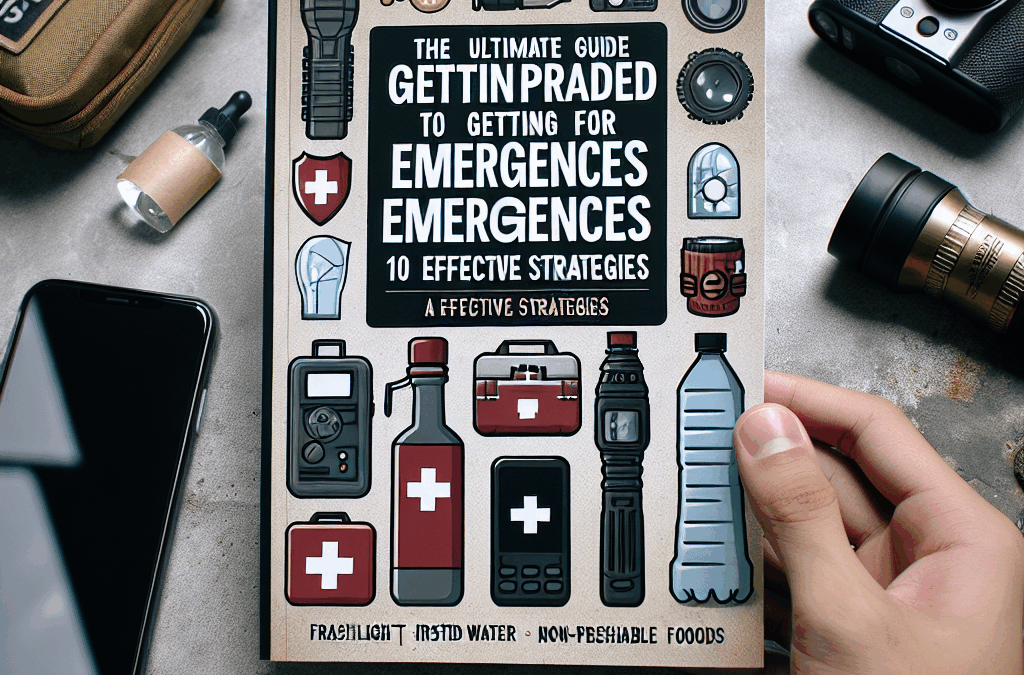
The Ultimate Guide to Getting Prepared for Emergencies in 2025: 10 Effective Strategies

The Ultimate Guide to Getting Prepared for Emergencies in 2025: 10 Effective Strategies

Table of Contents

  1. Introduction: Why Getting Prepared for Emergencies is Critical in 2025
  2. 1. Develop a Comprehensive Emergency Plan
  3. 2. Build a Well-Stocked Emergency Kit
  4. 3. Stay Informed with Early Warning Systems
  5. 4. Secure Your Home Against Disasters
  6. 5. Learn Essential Lifesaving Skills
  7. 6. Create a Communication Strategy for Family and Friends
  8. 7. Backup Important Digital Data
  9. 8. Prepare Financially for Emergencies
  10. 9. Get Insured Against Common Disasters
  11. 10. Participate in Community Emergency Response Programs

1. Develop a Comprehensive Emergency Plan

Understanding Your Risk Factors

Getting prepared for emergencies starts with understanding the specific risks in your area. For example, if you live in a flood-prone region, your emergency plan should prioritize flood evacuation routes, shelter locations, and flood-specific safety protocols. In 2025, climate change has increased the frequency and severity of natural disasters, making risk assessment even more crucial.

Take time to research local hazards through official government websites or community resources. Knowing what disasters are most likely to occur allows you to tailor your preparedness strategies effectively. For instance, regions prone to wildfires need to focus on evacuation plans and fire-resistant home modifications.

This risk assessment helps create a realistic plan that is more likely to be effective when emergencies strike. Remember, your plan should evolve as new threats emerge or your circumstances change.

Creating a Step-by-Step Emergency Response Procedure

Once risks are identified, develop clear procedures for different scenarios. This includes evacuation routes, designated meeting points, and contacts. Practice these steps regularly with your family to ensure everyone knows what to do when seconds count. Practice drills can be as simple as a fire drill or emergency evacuation simulation at home.

In 2025, mobile technology and smart devices can assist in executing emergency plans more efficiently. Use apps to track emergency updates or send alerts to family members. Keep multiple copies of your plan in accessible locations—digital and physical.

Having detailed, well-practiced procedures minimizes panic and confusion during actual emergencies, ultimately saving lives.

2. Build a Well-Stocked Emergency Kit

Essential Items to Include in 2025

Preparation isn’t complete without an emergency kit that contains vital supplies. In 2025, experts recommend including at least a three-day supply of food and water per person, along with first aid kits, flashlight, batteries, and hygiene products. Consider adding energy bars, water purification tablets, and essential medications.

Technology health devices, such as portable chargers and solar-powered flashlights, are increasingly crucial assets in an era dominated by digital and electronic dependence. Remember, your kit should also include face masks and sanitizers to combat health threats.

Keep your emergency kit in an accessible location known to all family members, and regularly check expiration dates and replace supplies accordingly. This ensures your kit remains reliable when needed most.

Customizing Your Emergency Kit for Specific Disasters

Not all emergencies are created equal. Tailor your kit based on potential local hazards—earthquake-resistant supplies for seismic zones, or snow gear if living in colder climates. For families with infants or seniors, include specialized items such as baby formula or mobility aids.

Involving family members in packing and maintenance helps ensure everyone is familiar with what’s inside. Consider portable kits for your cars and workplace as well, extending your preparedness beyond home boundaries.

Having a comprehensive, customized emergency kit significantly reduces stress during crises, making it a key component of getting prepared for emergencies.


3. Stay Informed with Early Warning Systems

Leveraging Technology in 2025

Real-time information can make all the difference in emergency preparedness. In 2025, advances in alert systems, mobile notifications, and smart weather apps allow you to receive early warnings for approaching storms, earthquakes, or other hazards. Setting up alerts from local authorities and weather services ensures you’re among the first to know about threats.

Always verify your contact information with community notification systems and keep your devices connected. Using multiple channels—SMS alerts, emails, or dedicated apps—provides redundancy, so you’re less likely to miss critical updates.

Furthermore, some cities have integrated AI-driven monitoring systems that predict imminent disasters and send automated alerts. Staying connected with these systems can give you enough lead time to take protective actions.

Reading and Interpreting Warnings Effectively

In addition to receiving alerts, understanding them quickly is vital. Learn to interpret different warning tones and messages. For example, a tornado warning requires immediate shelter, whereas a flood watch indicates staying alert but not necessarily evacuating.

Practice what these alerts mean with family members to ensure everyone responds appropriately. Keep a list of your community’s emergency contact numbers, and know the locations of local shelters ahead of time.

Staying informed through reliable sources and understanding early warning signals empower you to get prepared for emergencies more confidently in 2025.

4. Secure Your Home Against Disasters

Structural Upgrades and Safety Measures

In 2025, making your home disaster-resistant is an essential part of getting prepared for emergencies. Whether it’s retrofitting your house to withstand earthquakes, reinforcing windows against hurricanes, or installing fire-resistant materials, these upgrades can dramatically reduce damage and injury.

Simple actions such as securing heavy furniture, anchoring appliances, and installing surge protectors can prevent injuries and electrical fires. Consider adding backup power sources like generators or solar systems to stay functional during outages.

Home security also involves creating defensible spaces—removing flammable vegetation or debris near your home to reduce wildfire risk. Regular maintenance ensures your home remains resilient against evolving threats.

Community Collaboration and Building Safety Codes

Collaborate with neighbors and local authorities to encourage community-wide resilience. Participating in neighborhood safety audits or local planning meetings ensures collective preparedness. Advocate for updated building codes that align with 2025 safety standards.

Having a disaster-resistant home not only protects your property but also minimizes the risk to your loved ones, enabling faster recovery post-disaster.

Implementing these structural and community measures is vital for effective emergency preparedness in the coming year.

5. Learn Essential Lifesaving Skills

First Aid and Cardiopulmonary Resuscitation (CPR)

Knowing how to administer first aid and perform CPR can be a lifesaver during emergencies. Training courses in 2025 now often include virtual reality simulations and interactive modules, making learning more accessible and engaging.

Regular practice ensures skills stay sharp, increasing the chances of saving lives in your community. Keep a first aid manual handy and refresh your training annually.

Real-world examples show that immediate response from bystanders can drastically improve survival rates, making such skills an invaluable part of getting prepared for emergencies.

Fire safety and evacuation techniques

Understanding fire safety measures, such as how to use extinguishers and escape quickly, can prevent casualties. Practice exit routes with your family, identify multiple evacuation paths, and discuss fire safety routines regularly.

In 2025, technological advancements have introduced smart smoke detectors and automated emergency alerts, providing additional safety layers. Familiarize yourself with these devices to maximize their benefits.

Mastering these skills is crucial for reducing harm and acting confidently during crises, reinforcing your overall emergency preparedness plan.

6. Create a Communication Strategy for Family and Friends

Staying Connected During Crises

Effective communication can prevent chaos during emergencies. Establish a family plan that includes designated contact persons outside your immediate vicinity, such as relatives or friends, who can coordinate information and help reunite members.

Use group messaging apps, social media, or dedicated emergency communication platforms to stay informed and updated. In 2025, satellite communication devices are becoming more affordable, providing connectivity even during major infrastructure failures.

Plan multiple communication methods to ensure redundancy. Keep printed lists of important contacts and emergency procedures in accessible places.

Copy of PREPARE Mag ad 970 x 250

Sharing Your Emergency Plans with Others

Don’t keep your plans in isolation. Share your preparedness strategies with neighbors and local community groups. Organize neighborhood drills and awareness campaigns to foster collective resilience.

Having a network of informed and prepared individuals increases safety and provides support during large-scale incidents. Also, coordinate with local authorities to align your plans with community-wide efforts.

Solid communication strategies are vital to getting prepared for emergencies efficiently and effectively.

7. Backup Important Digital Data

Protecting Personal and Family Information

In today’s digital age, backups are a critical part of emergency preparedness. In 2025, cyber threats and hardware failures can threaten vital documents and memories. Regularly back up photos, medical records, financial documents, and important contacts to secure cloud services or external drives.

Encryption and strong passwords add layers of security to your digital backups, ensuring sensitive information stays protected. When disaster strikes, access to digital data can help speed up recovery and claim processes.

Implement a routine schedule for backing up data—weekly or monthly—to keep information current. Educate your family members on safeguarding digital assets too.

Utilizing Cloud Storage and Secure Devices

Cloud storage services like Google Drive or Dropbox offer safe, accessible options for backing up critical data. In 2025, these platforms also incorporate AI-driven security features that detect suspicious activity.

Keep external backup devices in a safe, fireproof location outside your home for added protection. Using encrypted devices ensures your data remains private even if physical hardware is lost or stolen.

Backing up digital data is an often-overlooked but essential part of getting prepared for emergencies and ensuring peace of mind during chaos.

8. Prepare Financially for Emergencies

Creating an Emergency Fund

Financial resilience is key during disasters. In 2025, experts advise maintaining an emergency fund covering at least three to six months of living expenses. This helps navigate unexpected costs and income disruptions.

Open a separate savings account specifically for emergencies to avoid temptation and ensure funds are accessible quickly when needed.

Start small, regularly set aside a portion of your income, and increase savings as feasible. Automating deposits can simplify the process.

Managing Insurance Policies and Liabilities

Review your insurance coverage, including homeowners, renters, health, and life policies, to ensure they are sufficient and up-to-date. In 2025, insurers are offering new disaster-specific policies and coverage options to better protect policyholders.

Understand your policy details and claim processes so you can act swiftly after an incident. Keeping digital copies of policies and contact info improves efficiency during crises.

Financial preparedness reduces stress during emergencies, helping you focus on safety and recovery.

9. Get Insured Against Common Disasters

Types of Coverage to Consider

Insurance is a vital safety net. In 2025, consider policies that cover earthquakes, floods, wildfires, and severe storms, depending on your geographic location. Standard homeowner and renter insurance often exclude some of these perils, so review your policies carefully.

Ask your insurer about bundled damage coverage and additional riders to extend protection. The cost of insurance varies but investing in comprehensive coverage reduces financial burden after a disaster.

In addition, consider personal property and auto insurance modifications that reflect potential risks specific to your area.

Adjusting Policies for Changing Risks

As climate change intensifies, reassess your coverage annually. In 2025, many insurance providers are updating their risk models and adjusting premiums accordingly.

Work with trusted agents to identify gaps and add riders if necessary. Document your property with photos and appraisals to facilitate claims process.

Proper insurance coverage provides peace of mind, knowing you’re financially protected when getting prepared for emergencies.

10. Participate in Community Emergency Response Programs

Local Training and Volunteer Opportunities

Community involvement enhances individual preparedness. In 2025, many areas offer training programs such as Community Emergency Response Teams (CERT), first aid courses, and disaster drills.

Participating in these programs not only improves your skills but also strengthens neighborhood resilience. Many cities encourage volunteer efforts that coordinate resources and response efforts during crises.

Engaging with local agencies creates networks of support, making getting prepared for emergencies a shared effort that benefits everyone.

Building Local Resilience and Preparedness Networks

Being an active member of community preparedness initiatives fosters information sharing and resource pooling. Organize neighborhood meetings or online forums to discuss risks and develop collective plans.

Promoting awareness about local hazards and safety measures empowers residents to respond more effectively. Collaborate with local authorities to align community efforts with official response strategies.

Community engagement ensures that preparedness becomes a collective priority, increasing overall resilience in 2025 and beyond.

Frequently Asked Questions

1. Why is getting prepared for emergencies important in 2025?

With increasing climate-related disasters and technological vulnerabilities, getting prepared for emergencies in 2025 is crucial to minimize risks, protect loved ones, and ensure quick recovery after crises.

2. How often should I update my emergency plan?

It’s recommended to review and update your emergency plan at least annually or whenever there are significant changes in your household, health, or local hazards to ensure accuracy and effectiveness.

3. What are the essential items I should include in my emergency kit in 2025?

Key items include non-perishable food, water, first aid supplies, flashlights, batteries, hygiene products, medications, portable chargers, masks, and emergency blankets. Tailor your kit to specific needs and regional threats.

4. How can I get involved in community emergency preparedness?

Attend local training sessions, volunteer for community response teams, participate in drills, and collaborate with neighbors to develop shared safety plans. Building community resilience benefits everyone.

5. What are the best ways to stay informed about local emergencies in 2025?

Use official government alerts, weather apps, smart warning systems, and social media channels. Sign up for notifications and keep your devices updated to receive timely information.

Conclusion

Getting prepared for emergencies is essential in 2025, given the unpredictable nature of natural and technological threats. By developing comprehensive plans, building reliable emergency kits, staying informed, and engaging with your community, you can significantly enhance your safety and resilience. Remember, proactive preparedness not only protects lives but also speeds up recovery when disasters occur. Take action today—your future self will thank you for being ready.

Copy of PREPARE Mag ad 970 x 250

Be Proactive, Not Reactive: The Importance of Emergency Preparedness

Be Proactive, Not Reactive: The Importance of Emergency Preparedness

In an unpredictable world, the phrase “better safe than sorry” takes on a whole new meaning when it comes to emergency preparedness. By being proactive rather than reactive, you can significantly reduce the impact of unforeseen events. Understanding the risks in your area and preparing accordingly can mean the difference between chaos and calm in times of crisis.

*Understanding the Risks: Assessing Potential Emergencies in Your Area**

Every community has its unique set of challenges. Natural disasters like hurricanes, earthquakes, floods, or wildfires might pose significant threats depending on where you live. Urban areas may face different risks such as industrial accidents or civil disturbances. Start by conducting a thorough assessment of potential emergencies that could affect you and your family. Consult local government resources, weather services, and community organizations to gather information about historical incidents and possible future threats. Recognizing these risks is your first step toward building a robust emergency plan.

*Building an Emergency Kit: Essentials for Every Household**

Once you have identified the types of emergencies that are most likely to occur, it’s time to assemble an emergency kit tailored to your needs. This kit should contain essential items such as water (one gallon per person per day for at least three days), non-perishable food supplies, a flashlight with extra batteries, first aid supplies, and any necessary prescription medications. Don’t forget important documents—copies of identification, insurance policies, and medical records—stored in a waterproof container.

Consider including personal comfort items like blankets or toys for children; emotional well-being is just as crucial during stressful situations. Regularly check expiration dates on food and medications to ensure your kit is always ready for action.

*Creating a Family Emergency Plan: Communication and Evacuation Strategies**

An effective emergency response requires clear communication among family members. Sit down together to create an emergency plan that outlines how everyone will respond during various scenarios—from natural disasters to personal crises. Identify safe meeting locations both near home and farther away if evacuation becomes necessary.

Develop strategies for communication during emergencies as well—this could involve designating an out-of-town contact who can relay messages if local lines are down or practicing how to use text messaging over phone calls when networks become congested.

*Training for Emergencies: First Aid, CPR, and Safety Drills**

Knowledge is power when it comes to survival during crises. Equip yourself with skills by investing time in first aid training courses or CPR certifications; these invaluable skills can save lives—not only your own but also those around you. Conduct regular safety drills with your family so that everyone knows what steps to take when disaster strikes—practice fire evacuations or earthquake safety procedures until they become second nature.

*Staying Informed: Utilizing Technology and Community Resources for Preparedness**

In today’s digital age, staying informed is easier than ever before. Leverage technology by downloading emergency alert apps specific to your region that provide real-time updates on severe weather conditions or local hazards. Follow social media accounts of local authorities for tips on preparedness activities in your community.

Community resources such as neighborhood watch programs or disaster response groups can also be instrumental in enhancing overall preparedness efforts through collaboration and information sharing.

By actively engaging with these facets of emergency preparedness—assessing risks, building kits, creating plans, acquiring training, and utilizing technology—you empower yourself and others around you to navigate uncertainties with confidence! Remember: being prepared isn’t just about survival; it’s about safeguarding peace of mind when life throws its curveballs!

The Ultimate Guide to Preparation for Hard Times: 7 Effective Strategies for 2025

The Ultimate Guide to Preparation for Hard Times: 7 Effective Strategies for 2025

  1. 1. Build a Robust Emergency Fund
  2. 2. Develop Practical Skills
  3. 3. Diversify Your Income Streams
  4. 4. Stockpile Essential Supplies
  5. 5. Strengthen Your Community Connections
  6. 6. Stay Informed and Adapt
  7. 7. Prioritize Mental and Physical Health

1. Build a Robust Emergency Fund

Understanding the Importance of Financial Preparedness

One of the foundational steps in preparation for hard times is establishing a strong emergency fund. In 2025, unpredictable economic fluctuations and global events make having liquid savings more critical than ever. An emergency fund acts as a financial buffer, allowing you to cover unexpected expenses such as medical emergencies, job loss, or natural disasters without taking on debt.

Research shows that households with at least three to six months’ worth of living expenses saved are better equipped to handle economic downturns. Building this fund involves disciplined savings, prioritizing needs over wants, and cutting unnecessary expenses. In practice, setting aside a small portion of your income each month can gradually build a safety net.

Many financial experts recommend keeping emergency funds in a separate, accessible account. This ensures quick access during crises and minimizes the temptation to dip into funds for non-emergencies. By 2025, digital banking options and high-yield savings accounts provide more convenience and better returns on your emergency savings.

Steps to Start Saving Today

Start by assessing your current expenses and identifying how much you need to save to cover essential costs for at least three months. Automate your savings to ensure consistency and reduce temptation. Even if you can only save a small amount initially, consistency will yield significant results over time.

Consider setting up multiple savings accounts for different goals—emergency fund, future investments, or education. This helps organize your finances and keeps you motivated to reach each target.

Remember, building a robust emergency fund isn’t just about money—it’s about peace of mind. Having that financial cushion prepares you for the inevitable challenges of 2025 and beyond.

2. Develop Practical Skills

Why Skills Are Your Best Insurance

During hard times, practical skills become your most valuable assets. When economic or social disruptions occur, skills like gardening, basic carpentry, cooking, or first aid can reduce dependence on external services and become a source of income or barter.

In 2025, the focus on self-reliance is growing, as supply chain issues and inflation affect availability and prices. Developing DIY skills not only saves money but also builds confidence and resilience in crises.

Real-world examples show that individuals with varied practical skills can adapt more quickly and manage household needs efficiently, even when resources are scarce. Investing time in learning new skills today is an investment in your future security.

How to Build Your Skill Set

Begin by identifying skills relevant to your environment and personal interests. Online courses, local workshops, and community groups are ideal sources for practical training. Prioritize skills that can contribute directly to your independence, like food preservation, minor repairs, or health care basics.

Set achievable goals—learning to cook healthy meals or fixing minor plumbing issues—and practice regularly. As your skill level grows, consider sharing your knowledge with others, strengthening community bonds and creating potential income opportunities.

Remember, continuous learning is key. The more adaptable and resourceful you become, the better prepared you’ll be for 2025’s uncertainties.

3. Diversify Your Income Streams

The Power of Multiple Income Sources

Relying solely on one job or income source can be risky, especially during hard times. In 2025, economic shifts can still impact employment and income stability. By diversifying your income, you reduce vulnerability and create a safety net against financial shocks.

Multiple income streams might include side businesses, freelance work, rental income, or investments. In recent studies, individuals with diversified income portfolios are 40% more resilient during economic downturns, highlighting the importance of this strategy.

This approach also opens doors to new opportunities, helping you adapt quickly if one source diminishes or disappears altogether. Diversifying income is not only about wealth accumulation but also about stability and peace of mind.

Practical Tips to Expand Income Sources

Start by evaluating your skills and available assets. Are there services you can offer locally or online? Can you monetize hobbies or talents? For example, teaching a musical instrument or creating digital content can generate extra income.

Invest in learning new skills with high demand, such as digital marketing, coding, or language teaching. Consider passive income options like investing in stocks, bonds, or real estate, which can provide cash flow even when you’re not actively working.

Implement a plan to gradually build multiple streams—this reduces stress and gives you more control over your financial future in 2025.

4. Stockpile Essential Supplies

Creating Your Emergency Supply Kit

Having an adequate stockpile of essentials is crucial for preparation for hard times. As supply chains become more unpredictable, securing necessities like food, water, medicine, and hygiene products ensures you can sustain your household during disruptions.

The key is to assemble a well-rounded emergency kit tailored to your family’s needs. Experts recommend storing at least a three-month supply of non-perishable food and water—think canned goods, dried grains, and bottled water. Don’t forget to include necessary medications and hygiene products.

In 2025, inflation and logistical challenges have made it more expensive to obtain supplies during crises. Stockpiling in advance not only saves money but also provides peace of mind.

Strategies for Effective Stockpiling

Start small—buy one or two extra items each week and gradually build your stockpile. Rotate supplies regularly to ensure freshness, and keep an organized inventory to know what you have at all times.

Consider alternative storage methods such as vacuum-sealing or using cool, dark places to extend shelf life. Also, prepare a list of essential items so you can purchase efficiently during sales or discounts.

Stockpiling isn’t about hoarding; it’s about responsible preparedness. In 2025, this practice is more relevant than ever to help you weather tough times comfortably.

Copy of PREPARE Mag ad 970 x 250

5. Strengthen Your Community Connections

The Role of Community in Emergency Preparedness

Hard times are often less overwhelming when you’re part of a strong community. Sharing resources, skills, and information can significantly ease the burdens of crises. In 2025, community resilience is emphasized as a vital component of preparation for hard times.

Neighborhood groups, local farms, and online forums can become trusted sources of support and exchange. Building relationships before emergencies happen ensures you have allies to rely on during difficult moments.

Studies indicate that communities with high levels of social cohesion recover faster from disasters, highlighting the importance of proactive relationship-building today.

Ways to Foster Community Resilience

Participate in local preparedness workshops or neighborhood watch programs. Offer your skills or resources to others, creating reciprocal support networks. Organize skill-sharing events or tool exchanges.

Maintain open communication channels—social media groups, messaging apps, or community boards—to stay informed about local developments. In challenging times, these connections can facilitate coordinated responses and mutual aid.

Remember, a well-connected community enhances individual resilience and makes preparation for hard times more effective for everyone involved.

6. Stay Informed and Adapt

The Importance of Keeping Up with Trends

In 2025, staying informed about global, national, and local developments is crucial for effective preparation for hard times. Rapidly changing circumstances require us to adapt plans and strategies regularly.

Use reputable news sources, government alerts, and expert analyses to monitor economic conditions, climate risks, and technological advancements. Being proactive allows you to make timely adjustments to your preparedness plans.

Historical data shows that communities and individuals who stay informed are better equipped to respond swiftly and effectively when crises occur.

Developing an Adaptive Mindset

Flexibility is key to resilience. Regularly review your emergency plans and supplies, considering new information or changing circumstances. Practice scenarios to identify weaknesses and improve response strategies.

Try to cultivate a mindset of continuous learning and adaptability. This mindset not only applies to physical preparedness but also to mental and emotional resilience in the face of adversity.

Remaining informed and adaptable ensures you’re prepared for whatever 2025 throws your way.

7. Prioritize Mental and Physical Health

The Role of Well-being in Hard Times

While physical preparedness is vital, mental health is equally important. Severe stress, anxiety, or physical illness can weaken your ability to face challenges effectively. In 2025, taking care of your health should be a top priority in preparation for hard times.

Incorporating regular exercise, healthy eating, and mindfulness practices enhances resilience. A healthy mind and body allow you to adapt better, make sound decisions, and sustain energy during crises.

Research suggests that maintaining mental well-being can reduce the impact of stress-related illnesses, helping you stay focused and proactive.

Creating a Personal Health Strategy

Develop routines that support your health—schedule checkups, stay active, and eat nutritious foods. Engage in stress-reduction activities like meditation or hobbies that bring joy.

Build a support system of friends, family, or mental health professionals to lean on during difficult times. Having a Plan B for health emergencies, such as a list of local clinics and pharmacies, is also wise.

Prioritizing your health ensures you’re physically and mentally prepared for the demands of 2025’s potential challenges.

Frequently Asked Questions

Q1: What is the most important aspect of preparation for hard times?

The most important aspect is building a comprehensive plan that includes financial, physical, and emotional readiness, ensuring you can handle various types of crises effectively.

Q2: How much should I save for an emergency fund in 2025?

Financial experts recommend saving enough to cover three to six months of living expenses. Start small and gradually increase your savings to meet this goal.

Q3: Can developing practical skills really help during hard times?

Absolutely. Practical skills such as cooking, repairs, or first aid can reduce reliance on external services, save money, and increase your self-reliance during emergencies.

Q4: Why is community involvement important for preparation for hard times?

Community connections foster resource sharing, provide emotional support, and improve collective resilience, making it easier to recover from crises.

Q5: How can I stay motivated to maintain my preparedness in 2025?

Set clear goals, track progress, and remind yourself of the importance of readiness. Regularly update your plans and include family or friends to stay accountable and motivated.

Conclusion

All in all, effective preparation for hard times in 2025 involves a multi-faceted approach that includes financial planning, skill development, stockpiling supplies, strengthening community ties, staying informed, and maintaining overall health. By applying these seven strategies, you can significantly increase your resilience and peace of mind. Remember, taking proactive steps today ensures you’re better equipped to handle the uncertainties of tomorrow. Prioritize your preparation for hard times—it’s the best investment in your safety and well-being for 2025 and beyond.


Copy of PREPARE Mag ad 970 x 250