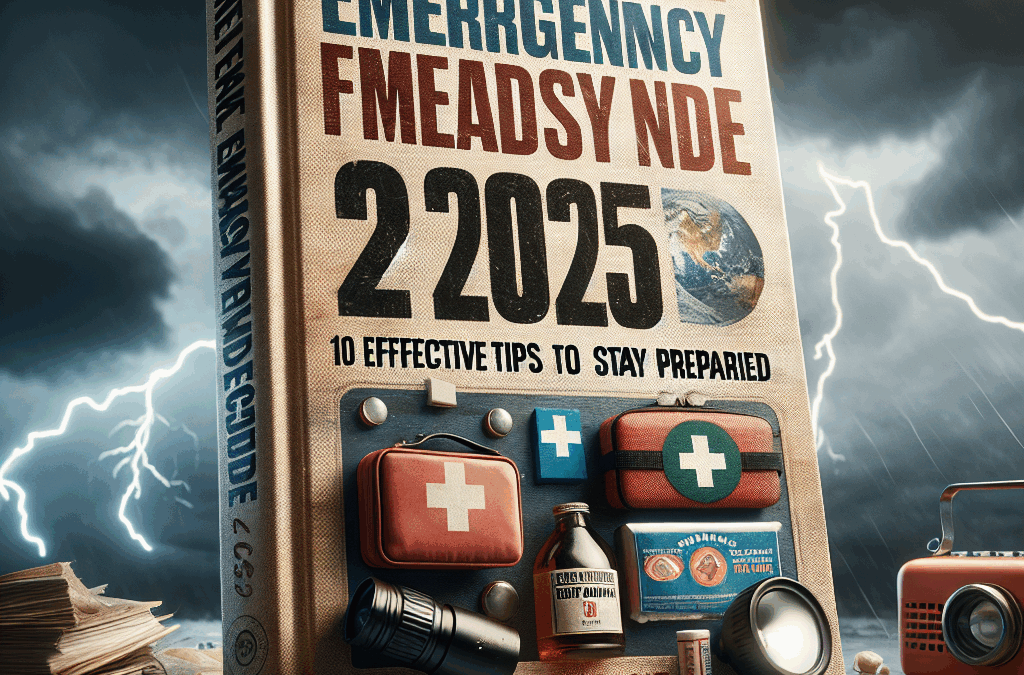
In 2025, natural disasters like hurricanes, wildfires, and floods continue to pose significant risks. Being aware of the most common natural emergencies helps you tailor your preparedness plan effectively. For example, recent data shows a 15% increase in wildfire incidents over the past decade, underscoring the importance of understanding local hazards.
Developing an understanding of regional risks allows you to prioritize your emergency readiness guide. If you live in a flood-prone area, your focus should include flood kits and evacuation routes. Conversely, if wildfires are common, creating defensible space around your home becomes essential.
This knowledge also helps you stay informed through weather alerts and official notices, becoming a vital part of your overall preparedness strategy in 2025.
Technological Disasters and Cybersecurity
In our increasingly connected world, technological failings such as widespread power outages or cyber-attacks are becoming more prevalent. A comprehensive emergency readiness guide must include cyber preparedness plans, including securing sensitive data and having offline emergency communication methods.
Recent research indicates that cyber-attacks increased by 30% in 2024, highlighting the need to protect your digital assets. Invest in strong passwords, two-factor authentication, and regular backups to safeguard your information.
In summary, understanding technological vulnerabilities enables you to craft a resilient plan that encompasses both physical and digital preparedness, ensuring you’re ready for 2025’s unique challenges.
2. Develop a Personalized Emergency Action Plan
Creating Clear Communication Strategies
Effective communication can save lives, especially during chaos. Your emergency readiness guide should emphasize establishing a robust communication plan with all family members or household members. Designate an out-of-town emergency contact and ensure everyone knows how to reach each other.
Practice command signals or hand gestures if phone networks are down, and use pre-arranged meeting spots. This way, even if your primary means of contact fails, everyone knows what to do.
With technological and infrastructure disruptions becoming more common in 2025, having multiple communication options is crucial for staying connected and informed.
Assembling an Emergency Kit
An essential part of your emergency readiness guide is assembling a comprehensive emergency kit. Include items such as non-perishable food, water, first aid supplies, flashlights, batteries, and personal hygiene products. Remember, what you need may vary depending on your region and family size.
Experts recommend having at least a three-day supply of essentials per person. Consider adding specialized items like prescription medications, pet supplies, and important documents secured in waterproof containers.
Regularly update your kit, checking expiration dates and replenishing supplies, ensuring you’re always prepared when disaster strikes in 2025.
3. Keep Up with the Latest Emergency Alerts & Information
Understanding Alert Systems
In 2025, emergency alert systems have evolved with technologies like wireless emergency alerts (WEA) and mobile apps. Signing up for local alerts ensures you’re immediately informed about imminent threats. These alerts can include weather warnings, evacuation notices, or public safety instructions.
Make sure your mobile devices are configured to receive these alerts, and test the settings periodically. This proactive step is vital for incident response and overall safety.
Being informed promptly helps you execute your emergency readiness guide swiftly and efficiently, reducing risk and potential harm.
Utilizing Reliable Information Sources
In a digital age, it’s crucial to rely on reputable sources for emergency information. Official government websites, local authorities, and trusted news outlets provide verified updates necessary for making informed decisions.
A practical tip is to bookmark key emergency websites or subscribe to official social media accounts for real-time updates. During crises, social media monitoring can supplement official channels and provide community-driven insights.
Staying informed through trusted sources empowers you as part of your emergency readiness guide, helping you respond appropriately in 2025.
4. Prepare Your Home and Property
Home Fortification & Safety Measures
Strengthening your home is a pivotal part of the emergency readiness guide. Reinforce windows, secure doors, and install safety alarms. For instance, hurricane-prone areas should consider storm shutters, while earthquake zones need seismic retrofitting.
Safety measures like fire extinguishers, smoke detectors, and carbon monoxide alarms are essential. Regular maintenance and testing ensure these devices function when needed most.
Proactive home safety practices can significantly mitigate damage and enhance safety during emergencies in 2025.
Landscaping & Property Management
Landscape management can reduce disaster risk. Clear debris and dead vegetation that could fuel wildfires, and ensure proper drainage systems prevent flooding. In 2025, utilizing smart irrigation and drainage systems can make a noticeable difference.
For properties in flood-prone areas, raising utilities and critical equipment above potential flood levels is recommended. Also, consider installing sump pumps and flood barriers as part of your emergency readiness guide.
Thoughtful property management safeguards your home and speeds up recovery after disasters.
5. Educate Yourself and Family Members
Training & Drills
Participating in emergency preparedness training and regular drills help everyone internalize their roles during a crisis. Many communities offer free classes on first aid, CPR, and evacuation procedures. These skills can be lifesaving during emergencies.
Practice fire drills, earthquake simulations, and other scenarios with your family at least twice a year. Repetition ensures responses become intuitive, reducing panic and confusion.
In 2025, ongoing education keeps your emergency readiness guide fresh and effective, supporting quick, confident action when it matters most.
Building a Knowledge Network
Stay connected with local safety groups, neighborhood watches, and online forums dedicated to emergency preparedness. Sharing knowledge and experiences builds a resilient community that can respond collectively during crises.
Research shows that well-informed communities can recover faster and reduce overall impact. Encourage sharing updates and safety tips regularly, especially on digital platforms tailored for emergency communication.
This proactive approach enhances your emergency readiness guide, creating a supportive network for everyone involved in 2025.
6. Plan for Special Needs & Vulnerable Populations
Customized Emergency Strategies
Individuals with disabilities, seniors, and children require tailored emergency plans. Ensure accessibility features like ramps, visual alerts, and medical support systems are incorporated into your overall safety plan.
Coordinate with local agencies to understand available resources and assistance programs. Keep a list of vital medical prescriptions, adaptive devices, and emergency contacts specifically for vulnerable individuals.
Including these considerations in your emergency readiness guide ensures no one is left behind during crises in 2025.
Community Support & Outreach
Encourage community outreach programs that assist vulnerable populations during emergencies. Sharing resources, conducting joint drills, and establishing support groups foster resilience and safety.
In 2025, leveraging technology such as care coordination apps can streamline communication and aid distribution. This integrated approach enhances the overall emergency preparedness of the entire community.
Planning with inclusivity in mind makes your emergency readiness guide comprehensive and effective for everyone.
7. Establish Financial & Important Document Safeguards
Securing Critical Documents
Store vital documentsâlike passports, insurance policies, birth certificates, and property deedsâin a secure, accessible location. Digital copies stored securely online or in encrypted drives add an extra layer of protection.
Creating a digital backup ensures quick retrieval during evacuations or for insurance claims. Always keep physical copies in waterproof, fireproof safes for extra security.
In 2025, investing in document safeguards is a key component of your emergency readiness guide, preventing loss and facilitating recovery after disasters.
Financial Preparedness
Maintain an emergency fund with enough cash or equivalents to cover at least three months of essential expenses. Keep some physical cash hidden safely in your emergency kit, as digital banking can be inaccessible during outages.
Have a plan for quick access to your financial accounts, including setting up alerts for unusual activity. Also, review your insurance policies periodically to ensure adequate coverage.
This financial readiness boosts your resilience and capacity to respond effectively during crises in 2025.
8. Use Technology & Smart Solutions
Smart Home Devices & Surveillance
Smart home technology can significantly enhance your emergency readiness guide. Install security cameras, smart locks, and environmental sensors that alert you to hazards like smoke, leaks, or intrusions.
Automated systems can trigger emergency actions, such as shutting off gas lines or activating alarms, improving safety during incidents.
In 2025, leveraging IoT (Internet of Things) solutions ensures your home remains resilient, informed, and responsive during emergencies.
Emergency Apps & Digital Tools
Download and familiarize yourself with trusted emergency apps that provide alerts, first aid instructions, and real-time updates. Apps like FEMA, Red Cross, or local agencies have features tailored for 2025 challenges.
Use digital checklists and reminder tools to keep your emergency preparedness plans current. Integrate these apps into your daily routine for sustained awareness and readiness.
Staying tech-savvy is a cornerstone of your emergency readiness guide for a safer 2025.
9. Review and Update Your Emergency Plans Regularly
Annual Review & Practice
An effective emergency readiness guide is a living document that evolves with circumstances and threats. Schedule annual reviews of your plans, kits, and contacts to ensure relevance and functionality.
Conduct simulation drills that challenge your plans, identifying gaps and areas for improvement. Incorporate lessons learned from drills or recent incidents to refine your approach.
In 2025, consistent upkeep guarantees your preparedness remains optimal for new hazards and technological advancements.
Adapting to Changing Environments
Climate change and technological developments mean new risks emerge annually. Stay informed about evolving threats specific to your area and update your safety measures accordingly.
Use feedback from community safety groups or local authorities to adapt your emergency readiness guide. Regular updates create a dynamic, resilient plan.
Proactive adaptation is vital for staying ahead of hazards in 2025 and beyond.
10. Connect with Local Emergency Services and Community Resources
Building Relationships with First Responders
Establishing a relationship with local fire, police, and medical services can be invaluable during crises. Attend community meetings, participate in safety programs, and ask about available resources.
Sharing your preparedness efforts fosters mutual understanding and enhances coordinated responses. Many agencies offer free safety workshopsâtake advantage of these opportunities.
Building these connections as part of your emergency readiness guide ensures quick access and collaboration when emergencies occur in 2025.
Joining Community Preparedness Groups
Engage with neighborhood networks or community groups dedicated to emergency preparedness. These groups often organize drills, share safety tips, and provide support during disasters.
Participating actively helps you stay informed, develop collective plans, and foster a resilient community. In 2025, strong local networks make a sizable difference in recovery and safety outcomes.
Networking is an integral part of a comprehensive emergency readiness guide, creating a safety net for everyone involved.
Frequently Asked Questions
What is an emergency readiness guide?
An emergency readiness guide is a comprehensive plan that helps individuals and families prepare for various disasters and crises, ensuring safety, communication, and quick response in emergencies.
How often should I review my emergency plan?
Itâs recommended to review and update your emergency plan at least once a year, especially after drills, new risks, or significant life changes to stay prepared for 2025 challenges.
What should be included in an emergency kit for 2025?
Your emergency kit should include non-perishable food, water, first aid supplies, medications, important documents, batteries, flashlights, and personal items. Tailor it to your regional risks and family needs.
How can I improve my homeâs safety for disasters in 2025?
Strengthen structural elements, install safety devices like alarms and shutters, clear vegetation, and incorporate smart technology. Regular maintenance and home upgrades are key components of your emergency readiness guide.
Why is community connection important in emergency preparedness?
Connecting with local services and neighbors creates a support network, improves response coordination, and accelerates recovery efforts during emergencies in 2025.
Conclusion
In 2025, staying ahead with a thorough and actionable emergency readiness guide is essential for protecting yourself, your loved ones, and your property. The unpredictable nature of todayâs risksâfrom natural calamities to cyber threatsâdemands proactive planning and continual improvement. Remember, preparedness isn’t a one-time effort; itâs an ongoing process that, when done properly, can mean the difference between chaos and safety. By following the comprehensive tips outlined in this guide, you can confidently face whatever emergencies 2025 has in store, ensuring resilience and safety for everyone involved.
In a world where the unexpected can strike at any moment, having a solid emergency preparedness plan is not just wise; it’s essential. Understanding the importance of being prepared can mean the difference between chaos and calm during a crisis. Whether it’s natural disasters, medical emergencies, or unforeseen events, being equipped with knowledge and resources is your best defense.
To begin your journey toward preparedness, you must assess risks specific to your area. Different regions face unique threats—hurricanes in coastal areas, wildfires in dry climates, earthquakes in tectonically active zones. Take time to research and identify potential emergencies that could impact you and your loved ones. This crucial step allows you to tailor your preparedness efforts accordingly.
Once you’ve identified potential threats, creating a comprehensive emergency plan becomes paramount. Involve every member of your household in this process to ensure everyone understands their roles and responsibilities during an event. Outline escape routes from your home and designate safe meeting spots outside. Discuss how you’ll communicate if phone lines fail—texting may be more reliable than calling during heavy traffic on networks. Clarity is key; ensure that each family member knows what to do when disaster strikes.
Next on the list is assembling an emergency supply kit—a veritable lifesaver when calamity looms large. Essentials should include non-perishable food items like canned goods or energy bars, plenty of water (aim for one gallon per person daily), first-aid supplies, flashlight with extra batteries, whistle to signal for help, dust masks, personal sanitation items, and more. Don’t forget important documents like insurance papers and identification stored in waterproof containers! Regularly check these supplies to replace expired items or adjust quantities according to changing needs.
Staying informed during emergencies requires proactive communication strategies and access to reliable resources. Sign up for local alert systems that provide real-time updates about weather conditions or other hazards in your area. Follow trusted news outlets on social media platforms for continuous information flow as situations evolve rapidly during crises. Remember: knowledge is power! Equip yourself with resources such as emergency hotlines or community centers that offer guidance should the need arise.
However, having plans written down won’t make much difference unless they’re practiced regularly! Conduct drills with family members so everyone feels comfortable executing their roles when it matters most. Simulate different scenarios—practice evacuating from home due to severe weather warnings or what steps to take if someone gets injured suddenly at home. After each drill session, evaluate effectiveness: Were there hiccups? What adjustments can be made?
As life unfolds unpredictably around us daily—being ready isn’t merely an option; it’s an obligation we owe ourselves and those we care about dearly. By understanding risks inherent within our surroundings while fostering open discussions regarding safety measures through actionable planning combined with ongoing practice drills—we pave pathways towards resilience amidst adversity!
One of the foundational steps on how to get prepared is to clearly define what you want to achieve in 2025. Setting specific, measurable, achievable, relevant, and time-bound (SMART) goals helps you create a roadmap for the year. Whether itâs advancing your career, improving your health, or learning new skills, clarity is key to focused action. For example, aiming to increase your savings by 20% or complete a professional certification gives you concrete targets to aim for.
Writing down your goals makes them tangible and keeps you accountable. Break larger objectives into smaller milestones, so progress feels manageable. This strategic planning can prevent overwhelm and keep you motivated as you approach your 2025 aspirations.
Furthermore, regularly reviewing and adjusting your goals ensures they remain relevant. The ability to adapt is vital, especially with evolving trends and unforeseen challenges. Knowing how to get prepared includes revisiting your priorities periodically, making sure they align with your long-term vision.
Prioritization Techniques for Better Planning
Effective prioritization helps you maximize your efforts on what truly matters. Techniques such as the Eisenhower Matrix assist in distinguishing urgent from important tasks. Focusing on high-impact activities ensures your energy is directed towards actions that bring substantial results.
In 2025, with the rapid pace of change, learning how to get prepared also means being flexible about your priorities. Use tools like digital calendars or task management apps to stay organized and reflect on whatâs essential each week. Prioritization isnât just about tasks; itâs about aligning your daily actions with your big-picture goals.
By mastering this skill, youâll reduce stress, increase productivity, and move confidently towards your 2025 goals.
2. Build a Solid Financial Plan
Budgeting and Saving Strategies
Financial preparedness is crucial when figuring out how to get prepared for the future. Creating a detailed budget helps you understand where your money goes each month, making it easier to identify areas to cut back and save more. In 2025, pandemic recovery patterns and economic shifts mean maintaining a flexible savings strategy is more important than ever.
Smart saving strategies include automating transfers to savings accounts, setting up emergency funds, and reducing discretionary spending. Aim to save at least three to six monthsâ worth of living expensesâitâs a vital buffer against unexpected financial setbacks. The power of compound interest means early and consistent saving significantly boosts your future financial security.
Tracking your progress through financial apps can help maintain discipline. Regularly reviewing your budget keeps you on track and enables quick adjustments to changing circumstances or goals.
Investing for the Long Term
Investments are an essential part of how to get prepared financially for 2025. Diversify your portfolio with stocks, bonds, real estate, or retirement accounts to cushion against market fluctuations. As the economy evolves, so should your investment strategiesâstaying informed about trends like tech innovation and sustainable investing can give you an edge.
Research indicates that long-term investors tend to outperform short-term traders, emphasizing the importance of patience and strategic planning. Automated investment platforms or robo-advisors can help beginners start with minimal effort while optimizing your returns.
By actively managing your finances and making educated investment decisions, you’ll be better prepared for the financial demands and opportunities of 2025.
3. Invest in Continuous Learning & Skill Development
Keeping Up with Trends and Technology
Staying updated on industry trends and technological advancements is vital in todayâs fast-changing world. As we gear up for 2025, learning how to get prepared includes committing to lifelong learning. Online courses, workshops, and webinars are accessible ways to acquire new skills or upgrade existing ones.
For instance, mastering digital tools, data analysis, or coding languages can significantly boost your career prospects. According to recent reports, 85% of jobs in 2025 will require digital skills, making this investment necessary for future readiness.
Make a habit of reading industry news and participating in professional communities. This ongoing education ensures you remain competitive, adaptable, and innovative in your field.
Skill Development for Personal Growth
Beyond formal education, developing soft skills like communication, leadership, and emotional intelligence is equally important. These skills support not only professional success but also enhance personal resilience. In 2025, with increased remote work and digital interactions, these abilities are more crucial than ever.
Practicing mindfulness, public speaking, or time management can make you more effective and confident. Set aside time each week to practice and reflect on your progress. Remember, investing in yourself today is one of the best ways to prepare for the uncertainties and opportunities of 2025.
4. Focus on Health & Wellness
Physical Fitness and Nutrition
Health is the foundation of all your plans, making it a key aspect of how to get prepared for 2025. Establishing regular exercise routines, balanced diets, and sufficient sleep can dramatically improve your energy and productivity. According to the CDC, adults should aim for at least 150 minutes of moderate exercise weekly, which is a practical goal for most.
Incorporate diverse activitiesâlike brisk walking, strength training, or yogaâinto your weekly routine to keep things interesting and effective. Paying attention to nutrition by choosing whole foods and reducing processed items boosts your immunity and overall well-being.
Additionally, staying up-to-date with health screenings and vaccinations ensures youâre protected against preventable diseases, a vital part of health preparedness for 2025.
Mental Health and Stress Management
Equally important is maintaining mental health. Practicing mindfulness, meditation, or therapy can help manage stress levels, which are often heightened during uncertain times. Developing healthy coping mechanisms allows you to remain calm and focused when facing challenges.
Prioritizing mental health improves your resilience and fosters a positive outlookâboth essential for achieving your goals in 2025. Remember, success includes mental clarity and emotional stability.
In this way, focusing on your overall wellness provides a balanced approach to how to get prepared for a thriving future.
5. Create a Reliable Emergency Kit
Essential Items to Include
Being prepared also means planning for emergencies. An emergency kit is vital for surviving natural disasters, power outages, or other unexpected disruptions. Key items include non-perishable food, water, first aid supplies, flashlight, batteries, and important documents.
Customize your kit based on your familyâs needs, health requirements, and potential risks in your area. Regularly checking and updating supplies ensures everything is in working order and current.
Want some inspiration? Start with a checklist and set reminders to refresh your supplies every six months. A well-prepared emergency kit provides peace of mind and readiness for unforeseen events in 2025.
Creating a Family Emergency Plan
In addition to physical supplies, developing a family emergency plan is crucial. Establish clear communication methods, designated meeting points, and evacuation routes. Practice drills periodically to ensure everyone knows what to do.
This proactive approach minimizes chaos and confusion during actual emergencies. Investing time in planning now makes all the difference when unpredictable situations arise.
Mastering how to get prepared applies not just to your possessions but also to your collective readiness and resilience as a family or community in 2025.
6. Master Time Management & Productivity
Using Tools and Techniques
Efficiency is a critical component of how to get prepared. Learning effective time management techniques, like Pomodoro or time blocking, helps you accomplish more in less time. Digital tools such as Trello, Asana, or Notion can keep your tasks organized and prioritized.
Setting daily, weekly, and monthly goals keeps you focused and motivated. Regular reflection on your progress allows adjustments, ensuring continuous growth towards your 2025 objectives.
By improving your productivity skills, youâll free up time for self-care, learning, or pursuing new opportunitiesâvital for thriving in the year ahead.
Reducing Distractions & Staying Focused
Eliminating distractions requires discipline and setup. Create a dedicated workspace, turn off non-essential notifications, and schedule breaks to avoid burnout. Understanding how to get prepared includes cultivating habits that boost concentration and mental clarity.
In todayâs digital age, social media and constant notifications can derail your focus. Setting boundaries and using tools like website blockers can help maintain your workflow.
Developing strong time management habits ensures you stay on track and turn your plans into action in 2025.
7. Stay Informed About Trends & Future Planning
Following Relevant News & Data
To truly understand how to get prepared for 2025, staying updated on global and industry trends is essential. Follow credible news sources, attend webinars, and read industry reports. Knowing emerging technologies, economic shifts, or policy changes can inform your decisions and prepare you for upcoming opportunities or challenges.
Data-driven insights help you adapt your plans proactively, rather than reacting after the fact. Being informed enables better strategic choices, whether in investing, career development, or lifestyle adjustments.
Regularly scheduled updates to your knowledge base can set you apart from others who remain unaware of key developments.
Long-term Planning and Flexibility
Effective future planning involves setting a vision for where you want to be by 2025 and beyond. But flexibility is equally important. Circumstances change, and your plans should accommodate new information or opportunities.
Use flexible strategies, such as modular goals or contingency plans, to stay resilient. Remember, the key is to anticipate potential obstacles and prepare adaptable solutions.
By integrating trend awareness with adaptable planning, youâll be better equipped for success and stability in 2025 and future years.
Frequently Asked Questions
1. How to get prepared for unforeseen emergencies?
Creating an emergency kit, developing a family plan, and staying informed about local risks are vital steps in how to get prepared for unexpected situations. Regular drills and updates also enhance your readiness.
2. What are the top financial tips for preparing for 2025?
Start by budgeting, setting savings goals, and investing wisely. Diversify investments, and build an emergency fund covering at least three months of expenses to ensure financial security.
3. How can I stay motivated to get prepared?
Set clear goals, track your progress, and celebrate milestones. Connecting with community groups or accountability partners can also boost your motivation to stay on course.
4. Why is continuous learning important for future readiness?
As industries evolve rapidly, acquiring new skills and staying updated on trends ensure you remain competitive and adaptable, which are critical components of how to get prepared for 2025.
5. How can I balance health and preparation efforts?
Integrate wellness routines into your daily schedule and prioritize mental health alongside physical health. A balanced approach ensures sustainable progress in all areas of your readiness plan.
Conclusion
Preparing effectively for 2025 involves a comprehensive approach that encompasses setting clear goals, managing finances, continuous learning, health, emergency readiness, and staying informed. Knowing how to get prepared is about taking proactive steps now to ensure a brighter, more resilient future. By following these seven strategies, youâll be well-positioned to navigate upcoming challenges and seize new opportunities in 2025 and beyond. Remember, the key is consistency and adaptabilityâstart today, and keep progressing!