Select Page
Don’t Wait for the Worst: Proactive Strategies for Effective Disaster Preparedness

Don’t Wait for the Worst: Proactive Strategies for Effective Disaster Preparedness

## Don’t Wait for the Worst: Proactive Strategies for Effective Disaster Preparedness

In an unpredictable world, the importance of being prepared for disasters cannot be overstated. Whether it’s a natural calamity like a hurricane or man-made emergencies such as power outages, understanding how to effectively prepare can make all the difference when disaster strikes. By taking proactive measures now, you can safeguard yourself and your loved ones in times of crisis.

### Understanding the Risks: Assessing Your Vulnerability

The first step toward effective disaster preparedness is identifying the specific risks that could impact your area. This requires a thorough assessment of your environment. Are you living in a flood-prone zone? Is there a history of wildfires nearby? Perhaps severe storms are commonplace during certain months? Engaging local resources—such as weather services and community safety organizations—can provide valuable insights into potential hazards.

Once you’ve pinpointed these risks, evaluate your personal vulnerabilities. Consider factors like age, mobility, and health conditions within your household. Knowing who may need extra assistance during an emergency helps tailor your preparedness efforts to ensure everyone remains safe and informed.

### Building Your Emergency Kit: Essentials and Extras

An emergency kit is more than just a box of supplies; it’s a lifeline during chaotic times. Start by gathering essential items that will sustain you and your family for at least 72 hours. Water (one gallon per person per day), non-perishable food items, a flashlight with extra batteries, a first aid kit, and important documents should fill this crucial pack.

Beyond the basics, think about what extras might enhance your comfort or safety in case of extended emergencies. Consider adding multi-tools for repairs, personal hygiene products to maintain cleanliness, or even entertainment options like books or games to ease stress during prolonged periods without power. Tailor this kit to fit the unique needs of each family member—don’t forget medications or baby supplies!

graphicstock young man with protective mask welding in a factory SCxmXkc6Z scaled

### Creating a Comprehensive Emergency Plan: Communication and Evacuation Strategies

Having an emergency plan is vital for ensuring everyone knows what to do when disaster strikes. Begin by discussing potential scenarios with your family members so they understand their roles. Identify primary evacuation routes from home and designate meeting points where everyone can gather if separated.

Communication becomes paramount during crises; establish reliable ways to stay connected—even if phone lines go down. Designate an out-of-area contact whom family members can reach if local communication fails. Regularly practice these plans through drills so that every individual feels confident about what steps to take when faced with adversity.

graphicstock man using digital device make payments online shopping and icon customer network connection on screen SudguLiPxix scaled

### Community Connections: The Power of Collaboration in Crisis Situations

In summary, never underestimate the strength found in community connections during emergencies. Build relationships with neighbors; share resources and information regarding local disaster response networks or volunteer opportunities within your area’s support systems.

Participating in community preparedness workshops fosters collaboration among residents while providing access to additional expert knowledge on surviving various situations together—a crucial advantage when external help may take longer than expected.

To wrap up, don’t wait until disaster looms on the horizon; begin implementing these strategies today! By understanding risks specific to your location, equipping yourself with essential supplies, crafting effective communication plans, and connecting with fellow community members—you will significantly enhance both individual readiness and collective resilience against any unforeseen challenges ahead!
Stay Ahead of the Storm: A Comprehensive Approach to Disaster Readiness

Stay Ahead of the Storm: A Comprehensive Approach to Disaster Readiness

When it comes to disaster preparedness, knowledge is power. Understanding the risks that loom over your area can make all the difference in safeguarding yourself and your loved ones. Different regions are prone to various types of disasters—hurricanes, earthquakes, floods, wildfires—you name it. Begin by researching historical data and current trends relevant to your location. Local government websites often provide valuable insights into potential hazards. This awareness will help you anticipate challenges and take proactive steps.

Once you’ve identified the risks, it’s time to build an emergency kit. Every household should have a well-stocked supply cache for those unexpected moments when you might need to shelter in place or evacuate quickly. Essential items include non-perishable food items like canned goods and energy bars, plenty of water (a gallon per person per day is a good rule), first-aid supplies, flashlights with extra batteries, and important documents stored safely in a waterproof container. Don’t forget about medications and pet supplies if applicable! Customize your kit based on your family’s specific needs; this preparation could be a lifesaver when time is of the essence.

Creating a family emergency plan is equally crucial. Discussing how you will communicate during a disaster can alleviate confusion and anxiety when chaos strikes. Designate meeting points both near home and further away in case evacuation becomes necessary. Ensure every family member understands their role—who grabs what, who calls whom—and practice these scenarios regularly so everyone feels comfortable with the plan. Don’t overlook the importance of keeping contacts updated; sometimes cell networks fail during emergencies, so having alternate communication methods can prove invaluable.

Staying informed is another pillar of disaster readiness that shouldn’t be ignored. Technology today offers numerous ways to receive timely updates on weather conditions and alerts about impending disasters. Apps for smartphone devices can provide real-time information tailored specifically for your area; consider downloading them ahead of time! Additionally, local news outlets often report on severe weather events as they unfold—tuning into these channels can keep you one step ahead of danger.

Community preparedness plays an essential role in ensuring collective safety during crises as well. Engaging with your neighbors fosters a sense of camaraderie while also building a support network that can prove vital in times of need. Organize community meetings or workshops focused on disaster preparedness where you share resources and experiences or even conduct drills together! When neighbors look out for one another, it strengthens resilience against any challenges that may arise.

JM Industrial dsc 4801 1 scaled

Ultimately, being prepared for disasters requires more than just individual efforts—it’s about understanding risks, having essential supplies on hand, creating robust plans for communication and evacuation while staying informed through alerts and local resources—all while building connections within your community. With a comprehensive approach to disaster readiness not only do we protect ourselves but also create safer environments for everyone around us! So take action now—don’t wait until it’s too late!

Packing Smart for Sudden Disasters

Packing Smart for Sudden Disasters

Assessing Your Needs

Understanding Your Environment

First things first, you have to know your environment. I remember when a major storm hit my area; I immediately regretted not assessing how vulnerable my place was. Flood risks? Tornado shelters? It all matters. If you live in a hurricane area, gear up; if snowstorms are your jam, prep for that. Always know what you’re facing!

Take the time to sit down and think about potential disasters in your region. Jot down the history of natural events that have impacted your community. Having this context can help you provide adequate supplies and support.

And don’t forget about local advice. Check in with emergency services or neighborhood groups; they’ve got the insider scoops on what really goes down during disasters. They’re living and breathing this stuff every day!

Identifying Essential Supplies

Once you’ve assessed your needs, the next step is figuring out what supplies you really need. I’ve found it super helpful to create a list! You can mix must-have items like first aid kits and non-perishable food, along with personal essentials like medications and important documents.

Look, it’s easy to go overboard and pack everything you think you might need. But trust me, focus on essentials. A backpack filled with snacks, water, a flashlight, and a battery charger can save your life. Think practicality – what could you realistically carry if you had to evacuate?

Lastly, remember to personalize your supplies. For instance, if you’ve got pets, don’t forget their food and gear. They’re family too! Tailoring your packing list ensures you’re not just packing the basics but everything necessary for everyone in your household.

Creating a Packing Checklist

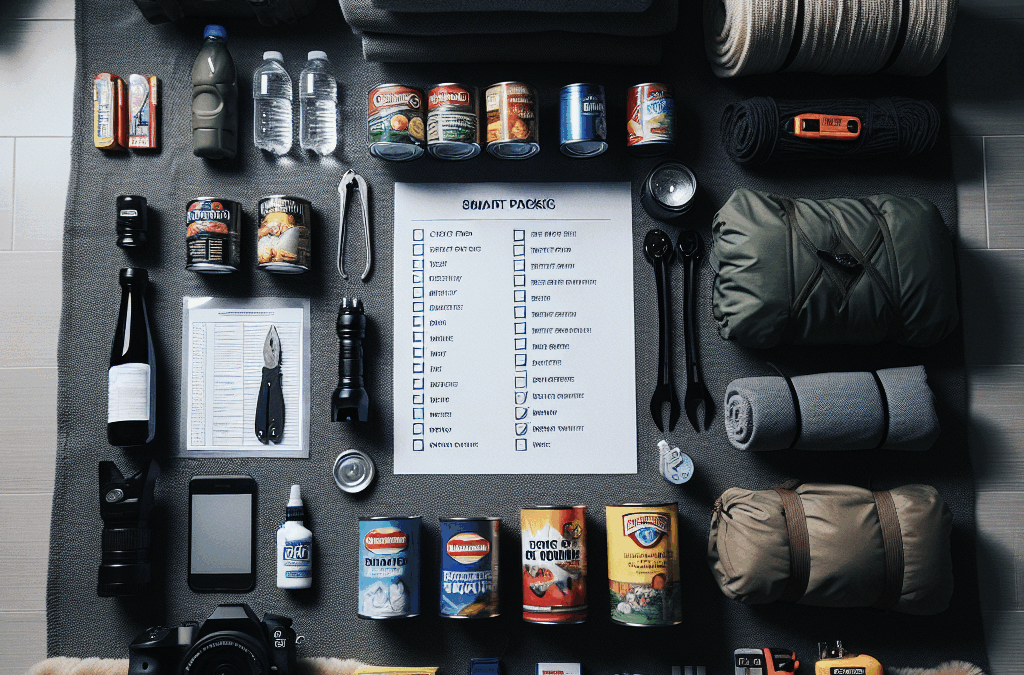
Oh, man, packing can be a mess if you don’t have a checklist! From my own experience, having a visual guide helps keep me on track. I love checking items off as I go! Start with the basics – water, food, shelter, and safety items. Don’t skip cleaning supplies either because, surprise! You might need to tidy up even in chaos.

When I created mine, I organized items into categories, making it easier to see what I had and what I needed. I’d have sections for food and water, medical supplies, clothing, and documents. This way I wasn’t scrambling around at the last minute looking for things.

Make sure to keep the checklist in a place where you can easily grab it, like on your fridge or pinned to a bulletin board. And don’t forget to update it regularly. Life changes with moving, new pets, or even allergies – keep your list current!

Storing & Organizing Your Gear

Choosing the Right Containers

Let’s talk about storage! Choosing the right containers is crucial to keeping your packing organized and effective. I’ve gone through a range of storage options – bins, backpacks, even duffel bags. The goal is to have something that’s both durable and easy to carry.

The size of your containers matters too. If you can fit your gear in one bag or bin, that’s the way to go. I love using clear storage bins because you can see what you have without digging through everything. Plus, labeling them makes it so much simpler!

Additionally, consider waterproof options. Whether it’s rain, flooding, or another unexpected mishap, keeping your supplies dry should be a top priority. You don’t want to arrive at safety only to find all your supplies are soaked and unusable!

Establishing a Packing Routine

Setting up a packing routine has been a game-changer for me. I don’t wait until disaster is looming before I start throwing things together. Instead, I’ve made it a habit to review my supplies quarterly or with every season change. This way, I’m not left scrambling when something unexpected happens.

Copy of PREPARE Mag ad 970 x 250

With my packing routine, I go through items, check expiry dates on food and medicine, and refresh anything that needs to be swapped out, like seasonal clothing. Plus, it keeps me connected to my gear, so I know exactly where to find everything when I need it!

And don’t forget to involve your family in this routine! Turn it into a family event; it can be educational for kids and they’ll better understand why being prepared is important.

Practicing Emergency Plans

Simulating Evacuation Drills

If you think having a plan is enough, think again! I swear that practicing evacuation drills has saved my family and me in real emergencies. By simulating what you’d do if you needed to leave quickly, you get a feel for how everything works, and it helps calm the nerves when the situation arises.

It’s really about finding a good flow. Map out your escape routes ahead of time. Know where you’ll go, how you’ll get there, and who’ll meet up where. Having a plan gives you a sense of security even amidst panic!

After practicing, sit down as a family and discuss what went well and what could be improved. Feedback is golden! Each drill can make you that much more prepared when disaster actually strikes.

Communicating with Family and Friends

In summary, let’s chat about communication. In an emergency, it’s crucial to have a solid line of communication set up with your family and friends. This can mean everything from discussing your plans to having a group chat set up on your phones; don’t leave it to chance!

When I was preparing for the last big storm, we set up a family group chat and agreed on specific codes for different situations. It sounds silly, but when things are chaotic, simple messages can make communication clearer.

Also, think about how you’d update close family or friends if you were separated during an emergency. Share your plans with them, and maybe even establish a check-in buddy or two. This way, you all stay in the loop regardless of what happens.

FAQs

1. What are the essential items I should include in my disaster pack?

Your disaster pack should include water, non-perishable food, a first aid kit, flashlights, batteries, a multi-tool, personal documents, and any medications necessary to maintain your health.

2. How often should I review and update my disaster supplies?

I recommend reviewing your disaster supplies at least once every few months. Make adjustments based on seasons, new needs, or changes in your family dynamic.

3. Should I have emergency plans for my pets as well?

Absolutely! Your pets are family too. Make sure to include food, water, and any necessary supplies for them in your disaster kit, and include them in your evacuation plans.

4. What are some common mistakes people make when packing for emergencies?

One common mistake is underestimating the importance of organization. People often throw things together without thinking what they might need. Another mistake is not customizing supplies for their unique needs, like personal medications or comfort items.

5. How can I prepare my children for emergencies?

Involve them in the process! Kids should know the plan, what’s in the disaster bag, and why it’s essential. Making it a fun learning experience will help them feel empowered and ready to handle situations effectively.

Copy of PREPARE Mag ad 970 x 250