
by Preparation Call Editorial Team | Aug 3, 2025 | Preparedness
Assessing the Situation
Understanding Potential Reasons for Closures
In my experience, it’s crucial to first grasp why road closures are happening. Sometimes they’re due to construction, accidents, or special events. Knowing the cause can help in planning alternatives. If you anticipate road blockages, it might affect your commute or travel plans significantly.
For instance, if the closure is due to construction, it often lasts longer. Local authorities usually provide information, but their updates can sometimes be vague. They may not always communicate how it’ll affect traffic flow, making it essential to stay informed.
Also, special events like parades or festivals can lead to unexpected closures even if you regularly travel the route. Being aware of the calendar in your area can save you a lot of headaches!
Gathering Real-Time Information
As someone who hates being stuck in traffic, I always recommend checking various sources for real-time updates. Apps like Waze are lifesavers! They pull data from other users who may be stuck in similar situations and can guide you around closures efficiently.
Social media is another goldmine. Local news stations often provide updates on their platforms, while community groups may share the latest finds on road conditions. Following local hashtags can keep you ahead of the game.
Lastly, don’t underestimate word of mouth. Chatting with friends or coworkers can sometimes yield the best tips and insights into what routes to avoid.
Mapping Alternative Routes
Once you know the reasons for the closures and have gathered information, it’s time to get geographical! I like to pull up a map and chart a couple of alternative routes ahead of time. It’s like mapping out an escape plan, haha!
Consider using apps that allow for multiple stops. This way, you can plan not just around the closures but also incorporate necessary stops along the way. For example, if I know a main road is closed, I might plan my route to include my favorite coffee shop to make the best of the detour.
Moreover, familiarize yourself with side streets or less popular roads you might not typically take. When times get tough on the main road, these alternatives can keep your journey moving smoothly.
Gathering Necessary Supplies
Emergency Kits for Vehicles
No one likes to think about breakdowns or being stuck, but trust me, being prepared makes all the difference! I always keep an emergency kit in my trunk. This includes basics like water, snacks, and a first aid kit.
Having road flares and an air pump can also really come in handy. You never know when you might need them! There have been times when I’ve helped strangers on the road, and having a small toolkit in my car made me a hero!
Remember to check your emergency kit regularly. It’s easy to forget about snacks that may expire or batteries that lose juice over time. Keeping these supplies fresh ensures you’re ready for anything.
Keeping Your Phone Charged
I can’t stress enough how important it is to keep your phone charged. It’s our main lifeline for updates and communication. I usually carry a portable charger in my bag just in case, especially when I know I’ll be traveling around an area prone to closures.
If you’re stuck in traffic or at a blockade, you may need to contact someone for help or to inform them about potential delays. Having a dead phone isn’t just inconvenient; it can be a safety hazard!
Consider setting up your GPS beforehand and using hands-free devices if you need to make calls while driving, too. Safety first!
Essentials for Long Waits
Sometimes you may find yourself sitting in traffic longer than expected, so being mentally and physically prepared makes a world of difference. Always keep a few items like a book, some playlists, or podcasts handy. You can make the wait a bit more enjoyable!
Snacks are also a must-have. Healthy options like nuts or granola bars can keep your energy up and your mood positive. Plus, packing a water bottle can prevent those annoying thirst pangs.
And, hey, don’t forget to pack a blanket if you’re anticipating a long wait—especially during colder seasons. Staying comfortable can make sitting in traffic a tad bit better.
Communicating with Others
Informing Your Inner Circle
When road closures disrupt your plans, don’t forget to keep your friends and family in the loop. I always give a heads-up to anyone I’m meeting up with if I anticipate being late. It’s just good manners and can save some awkward waiting around!
Texting a quick update is usually all it takes. It’s surprising how understanding people can be when you communicate openly about delays. They’re likely to appreciate the thoughtfulness.
Also, if you’re traveling with family or friends, communicate with them about your plan, routes, and potential stops. This way, everyone’s on the same page, and it makes the journey smoother and more enjoyable.

Utilizing Social Media
In this digital age, social media is a powerful tool! I often tweet or post updates about my own travel situations, and I encourage others to do the same. This way, we can create a community vibe where everyone shares information on traffic conditions.
Using local event pages or community groups can yield real-time insights that might not be available through official channels. It’s amazing what people will share! Others have often provided alternate routes or updates about when roadblocks are clearing.
Do remember, though, to stick to trustworthy sources. Miscommunication can happen easily, but a cohesive group can often help find the clearest path forward.
Driving Responsibly
Amidst blockades and closures, staying calm is key. I totally get that those situations can be super frustrating, but maintaining patience benefits everyone. I’ve learned that stressing out and honking recklessly only makes matters worse.
Follow traffic rules and respect road signage, especially when detours are set. It’s common sense, but sometimes people forget when tempers flare. Remember, we’re all in this together!
Lastly, safety should always be a priority. If you’re stuck in a dangerous spot, don’t hesitate to call for help, and always keep your seatbelt on. Your safety matters above all else!
Embracing Flexibility
Having a Positive Attitude
Traveling isn’t always about the destination; sometimes, it’s about the journey. I’ve tried my best to embrace a positive attitude when faced with unexpected road closures. After all, it’s an opportunity to explore new paths!
Putting on some good tunes and enjoying the ride can make a huge difference. I’ve discovered new spots and hidden gems because of detours! So rather than panicking, I encourage you to roll with it.
A good mindset turns frustrations into fun adventures, whether it’s singing along to my favorite songs or trying a new route. Sometimes I even challenge myself to discover if I can find a better way through traffic!
Making the Most of the Delay
Speaking of exploring, I often take road closures as a chance to stop and check out places I might not normally visit. Got a cool view? Pull over! Spot a fun diner? Go for it! Embracing these little moments can turn a frustrating experience into a delightful adventure.
Taking some extra time for yourself during these delays can also be beneficial. Whether it’s a scenic photo op or choosing to enjoy your own thoughts for a bit, take a moment to reflect or relax. It’s all about perspective!
Plus, you never know who you might meet! Striking up a conversation with another stuck driver can turn into a funny story later on. Life is also about those unexpected connections.
Improvising Your Plans
Sometimes we get so set on our travel routines that we forget how to improvise. If a road closure reroutes my plans, I’ve learned to be flexible and adapt. Instead of sulking, I switch things up and discover different routes or times.
If my favorite coffee shop is out of reach due to a blockade, I explore a new one. Why not? You may find an even better spot! Each closure can transform an ordinary trip into an extraordinary journey. I’m always down to try something new!
So remember, when plans change, take the opportunity to turn that unexpected twist into something positive. Your roadblocks might lead you to fantastic surprises!
Frequently Asked Questions
1. What should I check first if I anticipate a road closure?
Start by identifying the potential reasons behind the closure, whether it’s for construction, an event, or an accident. Gathering information from local authorities and news outlets can help you stay informed.
2. How can I stay updated on road conditions?
Use apps that provide real-time traffic updates like Waze. Social media is also a great resource to communicate road conditions with others in your community.
3. What essentials should I keep in my vehicle for emergencies?
Prepare an emergency kit with water, snacks, a first aid kit, road flares, and a portable phone charger to help in case of unexpected situations.
4. How can I communicate delays to others?
Don’t hesitate to send texts or make calls to inform people about your anticipated delays. Keeping communication clear shows consideration for their time.
5. Is it really okay to take detours if I’m stuck in traffic?
Absolutely! Embracing detours can lead to new experiences and discoveries. See them as opportunities to break your routine and discover something new.
by Preparation Call Editorial Team | Aug 3, 2025 | Preparedness
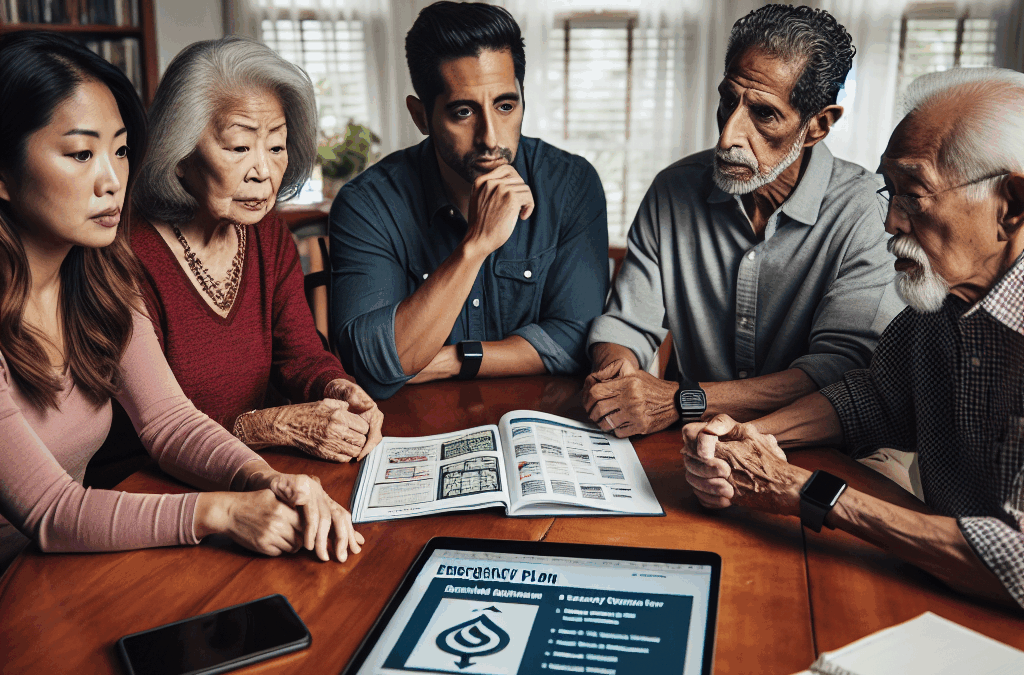
Dealing with the realities of making emergency plans for our elderly relatives can feel daunting, but trust me, it’s absolutely necessary. I’ve gone through this process with my own family, and I want to share some lessons I’ve learned along the way. I’ve broken it down into manageable sections that will make this task less intimidating. So let’s dive right into it!
Assessing Individual Needs
The first step in creating a solid emergency plan for an elderly relative is to truly assess their individual needs. Everyone is different, and what works for one person may be a complete flop for another.
Health Considerations
Your loved one’s health condition is the starting point. Take a look at their medical history—do they have chronic conditions that require daily medication? It’s essential to know exactly what medications they take, when they take them, and how they handle prescriptions. I recommend listing this stuff down; you’ll need it in emergencies.
Don’t forget about their mobility issues. If your relative struggles to move around, consider how that impacts their escape plan. Will they need assistance or special equipment? It’s vital to think this through in advance.
You might also consider their mental health. Is your elderly relative experiencing dementia or another cognitive decline? If they can’t remember who to call for help, make sure they have an easy-to-read list or even a contact app installed on their devices.
Living Environment
The next thing to look at is the living environment. Is their home safe? Are there any hazards like loose rugs or poor lighting? I’ve walked through my grandparents’ place, and I was surprised at the small things that could lead to big accidents. Making modifications can be a lifesaver!
Also, think about the neighborhood—are there resources nearby? Knowing where local hospitals, emergency services, or even neighbors are can add a layer of comfort both for you and your relative.
If it’s a multi-story house, is there a plan for getting them out in case of an emergency? Assess any changes that could help them navigate their space more easily.
Communication Preferences
The way your elderly relative communicates is also crucial. Some folks are more tech-savvy than others, and it’s essential to know this. Does your relative prefer a phone call or a text? Maybe they still have a landline and are not comfortable with modern gadgets. Find out their comfort level!
Try setting up regular check-in calls or messages. The routine helps keep the lines of communication open. I found that simply texting a simple “how’s your day” can go a long way in keeping them connected and reassured.
Also, gather all important contact information—family members, doctors, neighbors. Becoming the human directory is healthy for both of you!
Emergency Contacts and Plans
Once you’ve assessed their needs, the next logical step is to set up a solid contact plan that includes both emergency contacts and a straightforward emergency procedure.
Creating an Emergency Contact List
This list should include family members, close friends, and of course, medical professionals. Have these contacts easily accessible, maybe in the fridge, so even if the electricity is out, they can grab it!
Make sure your relative knows who everyone is. Names can easily slip from memory, especially in cluttered situations. A little photo next to the name can help jog their memory.
Don’t stop at just creating the list. Regularly update it. I usually try to do this every few months – life changes quickly, and so do our relationships.
Developing a Response Plan
Next, let’s create a structured plan for what to do during an emergency. It could be as straightforward as “if the smoke alarm goes off, get out immediately,” or more complex depending on the situation.
Practice these emergency drills together. It may feel silly, but acting it out can relieve anxiety in stressful situations. Get your relative comfortable moving and knowing what steps to take.
Lastly, have a plan for not just catastrophic emergencies but also smaller crises—like power outages. Having a stash of battery-operated lights and simple snack foods can make all the difference.
Incorporating Neighbors and Community Resources
Don’t forget about your relative’s immediate community. It’s key to include trustworthy neighbors on the emergency contact list. You never know who might be around to help!
Explore community resources. Many local organizations offer assistance for seniors during emergencies, whether it’s transportation or even well-check programs. It’s good to know who to reach out to for help.
Connecting with local clubs or volunteer groups can also foster friendships that might lead to greater support in times of need. This creates a broader safety net for your loved one.
Supplies and Resources
Besides creating plans and lists, it’s super important to ensure that your elderly relative has access to the right supplies in an emergency situation.
Emergency Kits
Start by assembling an emergency kit. This kit should contain not only first-aid supplies but also any special medical items your loved one might need. Think about medications, personal hygiene products, and water. A little foresight goes a long way here!
Include a flashlight, batteries, and a portable charger. In our tech-driven world, losing power can leave people cut off. My family always keeps our devices charged and ready!
Regularly check the kits. It’s easy to forget about items approaching their expiration dates, like medications or food. Making this a routine will keep everything fresh.
Medications and Health Supplies
As I mentioned earlier, keeping track of medication is crucial. Coordinate with their doctor to ensure they not only have enough medication but also easy access to prescriptions. If your relative finds it hard to remember to take pills, consider investing in a weekly pill organizer.
Consider other health supplies, like backup glasses, hearing aids, and any other essentials. It’s easy to overlook but incredibly important. I always recommend having spare essentials stashed just in case.
Also, discuss any health concerns with their healthcare provider. They may have great recommendations for what should be included in the emergency plan or kit.
Communication Tools
Another key piece of the puzzle is having reliable means of communication. Make sure your relative has a mobile phone that they are comfortable using. You could even set up preset emergency contacts so they don’t have to fumble through numbers.
If they’re not tech-savvy, consider a device with simplified features designed for seniors. I’ve seen these phones with larger buttons and simplified functions—they make a world of difference!
Even a basic landline can be a valuable tool if your loved one prefers the simpler approach. Just ensure it’s in a place where it’s easily reachable!
Testing and Updating Plans
Ultimately, a plan is only as good as it is tested and updated. Regularly revisiting your emergency plans will help it stay relevant and effective. I can’t stress enough how crucial this is!
Regular Reviews
Every few months, sit down with your elderly relative and review the emergency plans. Ask questions, see if they understand the processes, and make necessary adjustments based on changes in their health or living situation. It’s like a little family audit!
During these reviews, encourage open discussions. If your relative has suggestions or expresses concerns, take them seriously! They are the ones who will be using this plan after all.
Document any changes made so that you don’t have to guess what was updated last time. Keeping a simple log can make a huge difference.
Practice Drills
Practicing drills boosts confidence! Whether it’s a fire drill or simply making sure they know how to grab their emergency kit, acting it out can make all the difference.
Consider involving other family members or neighbors for added reinforcement. The more familiar they are with the plan, the better they’ll respond during a real emergency.
Make it fun! Turn drills into a family game. The more comfortable everyone is with the procedures, the less stress will be involved in real-life situations.
Feedback Loop
After practicing the drills or reviewing the plans, get feedback. What did they think? What could be improved? I’ve learned that sometimes the best ideas come from the very people we’re trying to help.
Keep the lines of communication open. These discussions don’t have to be formal; they can happen in a relaxed environment—maybe over coffee or during a family dinner.
Updating the plan based on feedback makes everyone feel valued. It creates a partnership that can enhance both your elderly relative’s wellbeing and your peace of mind!
Frequently Asked Questions (FAQs)
1. Why is it important to create an emergency plan for elderly relatives?
An emergency plan provides your elderly relative with a structured response to disasters or crises. It helps ensure their safety, health, and well-being, which can bring peace of mind to both you and your loved one.
2. What should be included in an emergency contact list?
Your emergency contact list should include family members, close friends, medical professionals, neighbors, and any community services they might need. Make sure it’s easy for your relative to find and understand!
3. How often should you review and update the emergency plans?
It’s best to review the plans every few months or whenever there are significant changes in your elderly relative’s health, living situation, or needs. Regular updates help keep the plan relevant and effective.
4. What are some important items to include in an emergency kit?
An emergency kit should include first-aid supplies, medications, food and water, a flashlight, batteries, and communication tools. Explore ensuring they have everything necessary for their specific health conditions, too!
5. How can I help my elderly relative practice emergency drills?
You can organize simple practice drills at home, like fire escape routes or what to do when they hear a smoke detector. Make it a fun family activity to reinforce the importance of these plans while keeping the mood light!

by Preparation Call Editorial Team | Aug 3, 2025 | Preparedness
In an era marked by unpredictability, emergency preparedness has transformed from a mere suggestion into a critical necessity. Understanding emergency preparedness is the first step toward navigating chaos and regaining control during unforeseen events. It’s not just about being ready for natural disasters; it encompasses a wider spectrum of potential threats, from pandemics to civil unrest. The reality is that emergencies can strike at any moment, making it imperative to be equipped with the knowledge and tools necessary to protect yourself and your loved ones.
Assessing your risks is paramount in this journey. Start by identifying potential hazards specific to your region; these could include hurricanes, earthquakes, wildfires, or even industrial accidents. Consider personal vulnerabilities as well—do you live in a flood-prone area? Do you have elderly family members who may require special assistance? By evaluating these factors, you gain clarity on what scenarios you may need to prepare for and can tailor your emergency plan accordingly.
Building an effective emergency plan involves several essential steps. Begin by establishing communication strategies among family members. Designate meeting points and ensure everyone knows how to reach one another if phone lines are down. Then, outline specific roles for each family member during a crisis—who will grab the emergency kit? Who will check on neighbors? This collective approach not only fosters accountability but also instills confidence in individuals when faced with adversity.
Next comes assembling a comprehensive emergency kit—a vital aspect of any preparedness strategy. Your kit should include basics such as water (at least one gallon per person per day), non-perishable food items, flashlights with extra batteries, first-aid supplies, medications, multi-tools, and important documents stored securely but accessibly. Don’t forget additional necessities like hygiene products or pet supplies if applicable! Regularly review and update your kit every six months; perishables have a funny way of sneaking up on their expiration dates.
Staying informed plays an equally crucial role during crises. Reliable communication channels can make all the difference when minutes count. Subscribe to local alerts and notifications regarding severe weather or emergencies in your area; apps designed for real-time updates can also be lifesavers. Social media platforms are invaluable for sharing information quickly but remain discerning about sources—misinformation can spread as swiftly as news itself.
In summary, let’s talk about mental resilience—the often-overlooked component of emergency preparedness. Coping strategies become essential tools for navigating the emotional turmoil brought on by uncertainty and fear. Establishing routines amidst chaos provides stability while mindfulness practices like meditation or deep-breathing exercises enhance emotional regulation. Connect with community resources such as support groups or therapy services; seeking help is not a weakness but rather an act of strength.
All in all, transitioning from chaos to control requires intentionality in our approaches to emergency preparedness. By understanding its significance and methodically assessing risks while implementing actionable plans and assembling thorough kits—we equip ourselves not just physically but mentally too for whatever challenges lie ahead. In uncertain times, remember: preparation today paves the way for resilience tomorrow!





