Select Page
Disaster Strikes! Is Your Family Prepared? Let’s Find Out

Disaster Strikes! Is Your Family Prepared? Let’s Find Out

When disaster strikes, the true test of your family’s readiness unfolds. Are you equipped to tackle emergencies that may arise? Understanding the types of disasters you could face is the first step in ensuring safety for yourself and your loved ones.

*Understanding the Threat: Types of Disasters You Need to Prepare For**

Disasters come in a myriad of forms, each presenting unique challenges. Natural calamities such as hurricanes, earthquakes, floods, and wildfires can wreak havoc without warning. On the other hand, human-made threats like chemical spills or terrorist attacks also loom large. Knowing which disasters are most likely to occur in your area can help you tailor your preparedness strategy effectively. Research local risks and understand their potential impact—this knowledge is power.

*Creating a Family Emergency Plan: Steps for Every Household**

Once you’ve grasped the threats that lie ahead, it’s time to take action by crafting a family emergency plan. Begin by designating a safe meeting place where everyone can regroup if separated during an emergency. Establish communication routes; set up a group chat or assign specific contacts outside your immediate area as points of reference. Additionally, ensure every family member knows basic information like home addresses and phone numbers. Familiarity with this plan boosts confidence when chaos reigns.

*Building Your Emergency Kit: Essential Supplies You Must Have**

A well-stocked emergency kit can make all the difference when calamity strikes. Start with essentials: water (one gallon per person per day for at least three days), non-perishable food items (think energy bars and canned goods), first aid supplies, flashlights with extra batteries, and essential medications. Don’t forget personal hygiene items and important documents—keeping these in waterproof containers is wise! Regularly check and replenish your kit every six months so that everything remains current.

*Staying Informed: Utilizing Technology and Resources for Alerts**

In today’s world, staying informed about impending disasters has never been easier thanks to technology. Download weather apps that provide real-time alerts tailored to your location. Sign up for notifications from local government agencies or community organizations—these resources often relay crucial updates regarding evacuations or shelters during crises. Social media platforms also serve as valuable tools for gathering information quickly; follow credible sources to stay ahead of potential dangers.

*Drills and Training: How to Practice Your Emergency Response**

Preparation doesn’t stop at planning—it requires practice too! Conduct regular drills with your family so everyone understands their roles during emergencies. Fire drills are essential but extend this concept to various scenarios including earthquake safety or severe weather protocols. Discuss what actions each family member should take based on different situations; practice makes perfect! Engaging children in these exercises fosters confidence while reinforcing vital skills they may need one day.

*Community Involvement: Why Your Neighborhood Matters During Disasters**

Lastly, remember that disaster preparedness extends beyond individual households—it encompasses entire communities! Engage with neighbors through workshops or local programs focused on emergency response training, sharing resources strengthens bonds within neighborhoods during challenging times. Create neighborhood watch groups dedicated to monitoring potential threats together; collective vigilance ensures everyone’s safety.

graphicstock alley of a modern office building rufgA 2wxig scaled

Ultimately, proactive measures pave the way toward resilience against unforeseen events—a secure future begins today! So ask yourself: is your family prepared? Let’s find out together!

The Importance of Local Knowledge in Preparedness

The Importance of Local Knowledge in Preparedness

Understanding Local Geography and Environment

Familiarity with Terrain

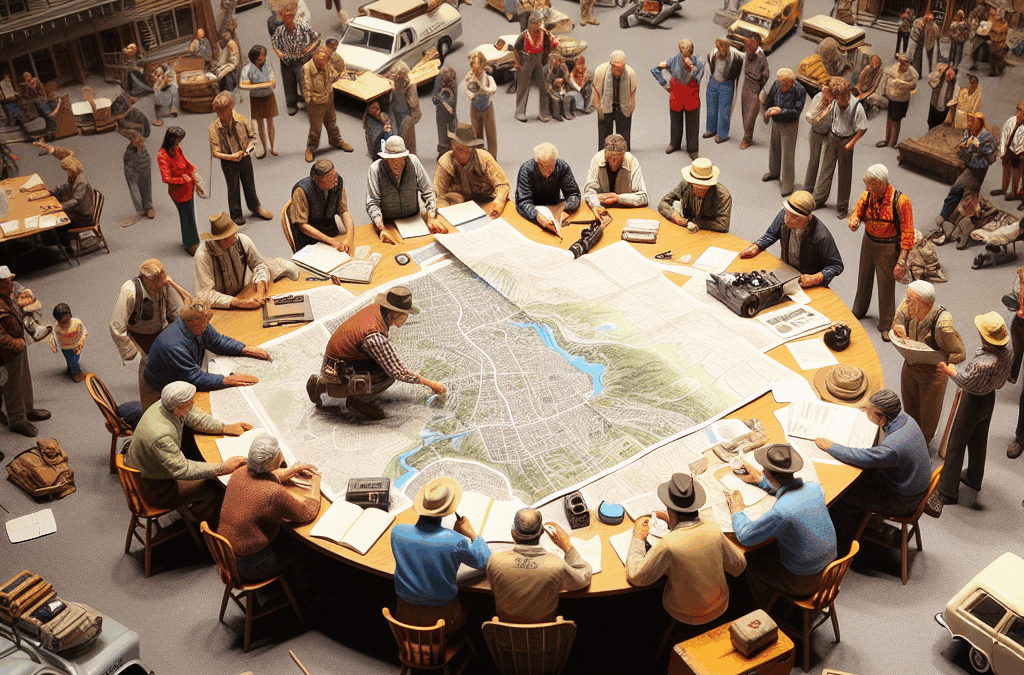
In my experience, understanding the local terrain can be a game changer when it comes to preparedness. Whether it’s knowing the nearest routes for evacuation or identifying natural barriers, a good grasp of the geography allows us to make informed decisions. If disaster strikes, those who know the lay of the land have a head start on escaping or finding safe havens.

I’ve often relied on my knowledge of local parks, rivers, and hills during emergencies. These features can act as natural refuges or obstacles, and knowing where they are can be crucial when time is of the essence. Take a moment to explore your area and envision how you would navigate it in a pinch. It can really pay off!

Plus, we have a bunch of hidden gems right in our backyards that can serve as rallying points or shelters. When we utilize these spots for preparedness, we’re not just planning— we’re engaging with our community and making connections that could save lives.

Community Networks and Resources

Local Organizations and Support Groups

Building a strong local network can make all the difference during a crisis. In my town, we have numerous organizations dedicated to disaster preparedness. From volunteer fire departments to local Red Cross chapters, these groups provide essential resources and support when things get tough.

Engaging with these organizations not only keeps us informed about safety protocols and resources but also allows us to form relationships with people who will be there for each other in challenging times. I’ve met some incredible folks while volunteering, and these connections have proven invaluable during emergencies.

Moreover, these local groups often offer workshops and training courses. I’ve attended a few myself and learned critical skills, like first aid and emergency response tactics. Knowledge sharing among community members leads to collective strength—a pillar of preparedness that shouldn’t be overlooked!

Cultural Insights and Local Traditions

Understanding Community Responses

One thing I’ve learned is that local cultures influence how communities respond to disasters. What might work in one area could fall flat in another due to differing values or traditions. Knowing these subtleties can help tailor our preparedness efforts to resonate with the folks around us.

For instance, family gatherings during holidays often serve as excellent opportunities to discuss emergency plans. Since many folks prioritize family, integrating preparedness discussions into these settings can ensure that information is communicated effectively. I’ve seen this work wonders in my community, fostering a sense of shared responsibility.

Plus, utilizing local traditions can serve as a way to strengthen the community fabric. Incorporating cultural events into preparedness activities not only makes learning fun but also ensures everyone feels included—because let’s be honest, nobody wants to feel left out during a crisis!

Local Emergency Services Knowledge

Contacts and Services Available

When it comes down to it, knowing who and what is available locally can save your life. I’ve spent time familiarizing myself with local emergency services, and trust me, it’s worth it. From understanding the closest hospital’s location to knowing the contact numbers for the fire department, having this knowledge at my fingertips is empowering.

Copy of PREPARE Mag ad 970 x 250

Another aspect of this is knowing the capabilities of local services. Some areas might have specialized units like swift water rescue teams or hazmat responders. I can’t tell you how many times I discovered resources that I had no idea even existed until I started digging around!

And let’s not forget about social media; many local services have active online presences now. Following them keeps us informed on immediate responses during emergencies—updates that can be critical for preparedness.

Preparedness Education Tailored to Locale

Workshops and Training Resources

Last but not least, continuously learning about preparedness is vital. Participating in local workshops not only equips us with skills but also connects us to fellow community members on the same mission. These trainings often focus specifically on the types of disasters common in our area, ensuring that we are prepared for genuine threats.

For example, I attended a workshop that focused solely on hurricanes, which was super helpful because my region faces this risk. Learning about storm preparedness, like securing homes and creating a disaster supply kit, was eye-opening. The local emphasis on our specific risks made it all the more relevant.

There’s also an empowerment aspect; taking charge of my preparedness journey has helped me feel less anxious about potential threats. By sharing these experiences with others, we create a ripple effect of knowledge that enhances community resilience.

FAQ

Why is local knowledge crucial in emergencies?

Local knowledge provides insight into geography, resources, and community dynamics that can significantly impact preparedness and response efforts. It helps us navigate effectively during emergencies.

How can I start learning about my area’s resources for preparedness?

Begin by connecting with local organizations like the Red Cross or community centers. They often offer programs, workshops, and information about local emergency services.

What role do local networks play in crisis management?

Local networks provide support, share knowledge, and foster collaboration among community members. They enhance collective preparedness and ensure everyone has access to essential information and resources.

How can cultural insights impact preparedness strategies?

Cultural insights can shape how communities view emergencies and respond to them. Tailoring preparedness strategies to fit local customs can lead to more successful engagement and compliance.

Why should I participate in local preparedness training?

Participating in local training equips you with practical skills tailored to your area’s specific threats, creating a sense of community while building personal confidence in handling emergencies.

Copy of PREPARE Mag ad 970 x 250

From Panic to Prepared: Building Your Emergency Action Plan

From Panic to Prepared: Building Your Emergency Action Plan

In a world where unpredictable events seem to be the new norm, the significance of emergency preparedness cannot be overstated. Whether it’s natural disasters like hurricanes and earthquakes or man-made emergencies such as power outages and pandemics, being ready can mean the difference between chaos and calm. Understanding the importance of emergency preparedness is your first step towards safeguarding yourself and your loved ones.

To embark on this journey, you must begin with a thorough assessment of your risks. Start by identifying potential hazards in your area. Are you living in a flood-prone zone? Is there a history of wildfires nearby? Perhaps severe storms frequently disrupt life in your community? Pinpointing these risks will help shape an effective plan tailored to your unique circumstances. Make a detailed list, categorizing threats based on their likelihood and severity; this will serve as your foundation for further planning.

Once you’re aware of potential dangers, it’s time to create your emergency action plan—a blueprint designed to guide you through various scenarios. Begin by outlining clear roles for every member of your household. Who will grab the emergency kit? Who’s responsible for pets? Establish meeting points both at home and outside, ensuring everyone knows where to go if separated. It’s also crucial to designate an out-of-town contact person—someone who can relay information if local communication is disrupted. Write down these strategies and keep them easily accessible; clarity breeds confidence when chaos strikes.

graphicstock young man with protective mask welding in a factory rCQmy56W scaled

A well-stocked emergency kit is central to any effective action plan. What should it contain? Start with the essentials—non-perishable food items, water (at least one gallon per person per day), first aid supplies, flashlights, batteries, hygiene products, important documents (like IDs and insurance papers), and any necessary medications. Don’t forget about comfort items! A favorite book or toy can provide solace during stressful times. Regularly review and update this kit; expired food or outdated medicines won’t serve you well when every minute counts.

Communication during a crisis can often become challenging as regular channels may fail or get overwhelmed. Therefore, establishing solid communication strategies beforehand is vital. Ensure all family members have a list of important contacts saved in their phones—and written down somewhere safe in case of battery failure! Consider utilizing messaging apps that function effectively even under pressure since they may work when traditional calls do not. Additionally, familiarize yourself with local alert systems or apps that provide real-time updates during emergencies.

Lastly, remember that practice makes perfect! Conducting drills ensures everyone is familiar with their roles and responsibilities before disaster strikes—think fire drills but for various scenarios like evacuation or shelter-in-place situations. Schedule regular reviews of your plan—perhaps quarterly—to refresh everyone’s memory and adjust any details as needed (after all, life changes!). These practices build confidence among family members while reinforcing readiness.

When faced with uncertainty, preparation transforms panic into empowerment. By assessing risks, crafting a robust action plan complete with essential supplies, maintaining communication strategies, and regularly practicing drills—the path from panic to prepared becomes clearer than ever before. Take charge today; after all, an ounce of prevention is worth a pound of cure!