Cellular failure does not always mean that every communication path has disappeared. A damaged tower, overloaded local network, extended power outage, backhaul interruption, or deliberate service shutdown can prevent phones from registering even while other radio or satellite systems remain usable. The first planning decision is therefore to separate the failed dependency from the communication task: local coordination, regional contact, or communication with someone outside the affected area.
A phone may show signal bars yet fail to place a call because the network is congested. Text messages may queue for a long time, and internet-based messaging may fail if both cellular data and local broadband depend on the same damaged infrastructure. A relay avoids some of these bottlenecks by receiving a message through one path and forwarding it through another. That relay might be a handheld radio operator, a fixed repeater, a mesh node on a nearby building, or a satellite terminal.
Distance, terrain, power, licensing, and operator availability determine whether a relay is useful. A neighborhood separated by a ridge may need a higher antenna or an elevated relay even if the straight-line distance is modest. A mesh network may work well in a dense area with many powered nodes but provide little coverage in a rural setting with only two devices. Satellite equipment solves the distance problem more effectively, but it introduces sky visibility, battery, subscription, and weather-related constraints.
Before buying equipment, write down who must communicate, how far apart they are, what information they need to exchange, and how long the system must operate. A household checking on relatives nearby has different requirements from a volunteer team coordinating across a county. The useful comparison is not simply which device is strongest; it is which relay survives the specific point of failure.
Readers building a broader plan can also review communication relays that work when cellular networks fail alongside a written contact card and a prearranged meeting location. Those non-digital details matter when every electronic option is unavailable.
Radio Relays for Nearby Voice Communication
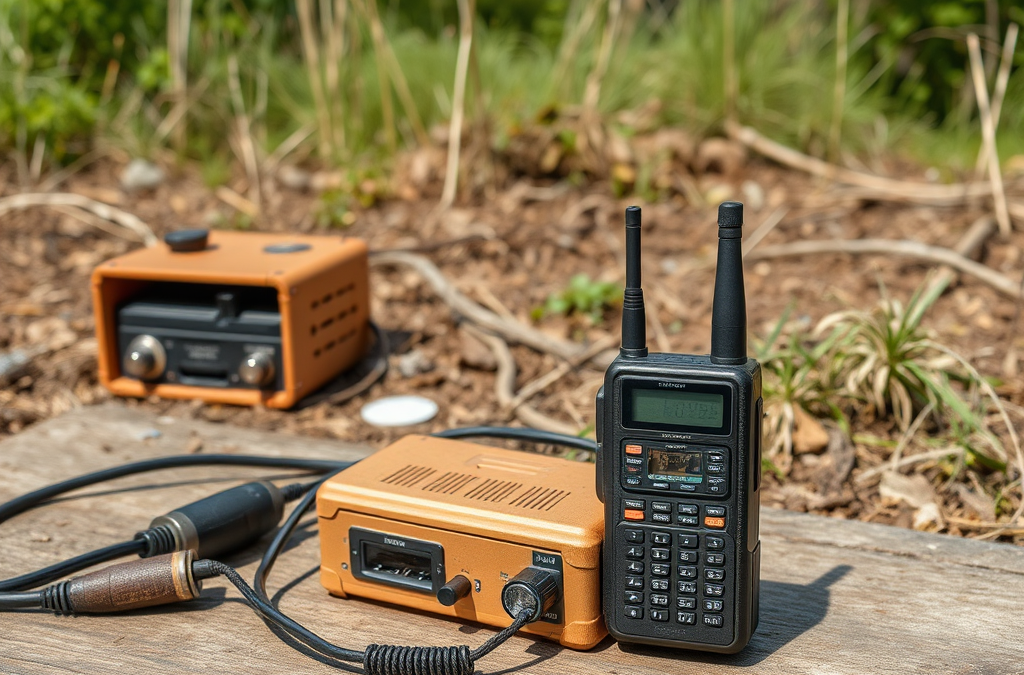
Two-way radios are often the most practical relay for short-range coordination because they can communicate directly without a cellular tower. Family-service radios, business radios, amateur radios, and professional public-safety systems differ in range, controls, licensing, and interoperability. A radio advertised with a long maximum range may perform much less effectively inside buildings, behind hills, or among dense trees.
A repeater extends radio coverage by receiving a transmission on one frequency and retransmitting it on another, usually from an elevated location. The height of the antenna often matters more than extra handheld power. A community repeater on a hill may connect users across a town, while two high-powered handheld units at street level may still struggle around concrete structures. Repeaters also need a functioning site, backup power, correct programming, and someone who understands its operating rules.
Consider a storm-damaged neighborhood where four volunteers inspect streets within several miles of a community center. Direct radio communication may be enough for the closest teams. If a ridge blocks the farthest streets, an elevated mobile unit or established repeater could close the gap. A satellite messenger would provide geographic independence, but it may be slower for rapid voice coordination and less convenient when several people need to hear the same update.
Common radio mistakes include assuming all radios can talk to one another, leaving channels unprogrammed, and relying on privacy features that are not true encryption. Users should confirm compatible frequencies or channels, antenna connections, charging methods, and lawful operating requirements before an outage. A simple call-sign convention and short message format reduce confusion: identify the recipient, state location, give the status, and repeat any critical number.
Radio is strongest when the group is local, operators can hear one another, and a relay location has been selected in advance. It is weaker when the group is scattered across a large region or when no one is available to monitor the channel. For those limits, combine local radios with a second relay path that does not share the same tower or power source.
Mesh Networks and Store-and-Forward Messaging
Mesh communication devices pass data from one node to another rather than sending every message directly to a cellular tower. A message can hop through nearby phones or dedicated nodes until it reaches the intended recipient. Some systems support live relaying when a connected path exists; others use store-and-forward behavior, holding a message until a participating device comes within range.
The relay mechanism makes mesh systems useful in neighborhoods, outdoor groups, and response teams where users are distributed across a limited area. A node placed on an upper floor may reach farther than a device carried at ground level. However, every hop consumes battery and adds a possible point of failure. If one critical node is switched off, moved indoors, or separated from the others, the network may split into isolated clusters.
Imagine a hiking group spread along a trail after a landslide blocks the road. Cellular service is unavailable, but several members still carry compatible mesh devices. Short status messages may travel between the groups as long as the spacing remains within radio range. The group should not assume that a message delivered to one nearby device has reached a distant coordinator; delivery indicators, route visibility, and a planned acknowledgment process are more reliable than silence.
Mesh systems are not automatically private, universal, or independent of infrastructure. Some require a companion phone, an application, or internet access for certain features. Bluetooth-based systems may cover only short distances, while longer-range low-power radios trade speed for reach. Buildings, hills, radio interference, and sparse participation can reduce performance. The most useful predeployment test places nodes where they would actually be used rather than testing them only across an open parking lot.
Choose mesh when the people who need to communicate are likely to remain within a connected area and can keep nodes powered. Choose direct radio when voice traffic and immediate group awareness matter more than text convenience. Choose satellite for a small number of critical messages that must leave the local region. A layered plan works better than treating one mesh application as a universal replacement for every service.
Satellite Links and Layered Backup Planning
Satellite messengers and satellite phones bypass local cellular infrastructure by communicating with satellites, making them valuable when a regional outage isolates an area. Satellite messengers usually favor short text updates and location sharing, while satellite phones provide voice service where the device, subscription, satellite coverage, and environment support it. Some newer devices combine satellite messaging with ordinary cellular or Wi-Fi functions, so users must understand which mode is active.
Satellite equipment needs a reasonably unobstructed view of the sky, adequate battery capacity, and time to acquire a connection. Deep valleys, heavy structures, dense canopy, and poor device placement can delay or prevent transmission. A message sent from beside a window may work when one sent from a basement does not. Users should follow the device maker’s instructions for orientation, message confirmation, emergency features, and service-plan limits rather than assuming that an unsuccessful attempt is proof of network failure.
A satellite link is geographically independent from a failed cell tower, but it is not failure-proof. Devices can be lost, damaged, discharged, or locked behind an expired plan. Subscription fees may make it impractical to issue one to every member of a large group. Satellite voice also requires disciplined airtime use; a brief status report may be more dependable and economical than an extended conversation.
A sensible layered arrangement assigns each technology a defined job. Local radios can handle rapid coordination between nearby people. Mesh devices can carry short messages across a cluster of users. Satellite equipment can send a priority update to someone outside the affected area or request assistance when local relays are unavailable. Written contact procedures should specify which channel is tried first, how long the group waits, and what information is included in an escalation message.
Do not place every relay at the same location. A repeater and charging station in one building share the same exposure to fire, flooding, theft, and generator failure. Separating equipment, keeping one device with a mobile team, and maintaining a paper list of key numbers improve resilience. The goal is not uninterrupted convenience; it is a reasonable chance of getting essential information through by another route.
Testing, Power, and Operating Discipline
Communication relays become dependable through rehearsals that expose weak assumptions before an outage. Test the complete chain: device, antenna, relay, receiving operator, power source, and message acknowledgment. A radio that transmits clearly to a neighbor may fail to reach the intended relay from a basement. A satellite messenger that works outdoors may not work from the planned shelter location.
Run tests at different times and from the locations where people will actually stand. Record dead zones, successful call signs, charging intervals, and the time required for a message to receive confirmation. For mesh equipment, remove one node from the route and see whether traffic can still pass. For a repeater, confirm the backup power arrangement and identify who is responsible for restoring or monitoring it.
Power planning deserves the same attention as equipment selection. Store charged battery packs, appropriate cables, vehicle adapters, and a small independent charging source. Keep batteries away from damaging heat and follow manufacturer storage guidance. A large battery bank may support a fixed relay for longer, while smaller packs are easier for mobile operators to carry. Avoid concentrating every charger on a single outlet or generator circuit.
A compact operating checklist should cover:
Which relay is used for local voice, local text, and outside contact.
Where each device is stored and who carries it.
Channel names, call signs, message format, and acknowledgment rules.
Battery rotation, charging locations, and backup power limits.
The condition that triggers a change to the next communication method.
Failure often comes from behavior rather than electronics. Long unstructured transmissions occupy shared channels, vague locations delay help, and unacknowledged messages create false confidence. Use plain language, keep sensitive information off open channels, and repeat addresses or coordinates carefully. A short, practiced procedure will outperform a sophisticated relay that nobody knows how to operate.
For a final planning pass, connect equipment choices to a documented communication schedule and review the plan whenever household members, vehicles, buildings, or service subscriptions change.
Frequently Asked Questions
What is the simplest relay for nearby households?
Compatible two-way radios are usually the simplest option for nearby voice contact, provided users test range, understand channel operation, and account for terrain and building materials.
Can mesh devices work with no internet connection?
Some mesh systems can relay local messages without internet access, but capabilities vary. Check whether the system needs a phone application, participating nodes, or an internet connection for delivery outside the local mesh.
Are satellite messengers guaranteed to work during a disaster?
No. They may be useful when cellular infrastructure fails, but blocked sky views, depleted batteries, damaged devices, service-plan limits, and satellite or provider problems can interrupt communication.
Does a radio repeater work without electricity?
A repeater needs power at its site unless it has a suitable backup system. Confirm its battery or generator arrangement, operating duration, and the person responsible for monitoring it.
What information should an outage message contain?
State who you are, where you are, what has happened, what assistance or confirmation is needed, and when you will communicate again. Use plain language and repeat critical addresses or numbers.
Further Reading
Authoritative Sources
Ready.gov ready.gov
Official household preparedness guidance, emergency plans, and supply checklist resources.
FEMA fema.gov
Federal emergency management information, disaster planning resources, and recovery guidance.
American Red Cross Emergency Preparedness redcross.org
Practical emergency preparation, safety, and response guidance for households.
CDC Emergency Preparedness and Response cdc.gov
Public health guidance for disasters, emergency response, and recovery conditions.
Conclusion
A resilient communication plan matches each relay to the distance, message type, and failure it must withstand. Two-way radios are practical for nearby voice coordination, mesh networks can move short messages through a populated local area, and satellite devices provide a valuable route beyond a damaged regional network. None should be treated as automatic coverage: terrain, sky visibility, battery capacity, repeater power, subscriptions, and trained operators all affect results.
Choose one primary method and one independent backup, assign each a clear purpose, and test the full route from the real operating location. Write down channels, call signs, contact priorities, acknowledgment rules, and the point at which the group changes methods. That preparation turns disconnected devices into a relay plan that remains useful when cellular networks fail.
An evacuation warning ending is not always the same as an official all-clear. A warning may indicate that the immediate threat has decreased while roads remain blocked, utilities are unstable, or new hazards are still possible. Before leaving your temporary location, verify the current status through local emergency management, law enforcement, the fire department, or another official channel. Check the specific neighborhood or address rather than relying on a broad county or regional announcement.
Road access deserves separate attention. A route that was safe earlier may now contain standing water, fallen limbs, mud, debris, damaged bridges, or traffic controls. Do not bypass a barricade simply because other vehicles are moving around it. If authorities direct residents to use a particular entrance, follow that route; it may avoid active response operations or areas that remain unsafe.
Information can conflict after a fast-moving incident. Social media posts, informal neighborhood messages, and old alerts may not reflect current conditions. Compare the timestamp, issuing agency, and affected area. If communications are limited, try a battery-powered radio, text alerts, official agency websites, or a direct call to a local information line. The goal is not to find reassurance; it is to establish that return is permitted and that the route is usable.
Delay the trip if you cannot confirm access, if officials still advise against returning, or if conditions have changed since the last reliable update. Waiting may be inconvenient, but entering during cleanup or active hazard control can expose you to risks that are difficult to see from a vehicle. Keep this returning home safely after an evacuation warning ends decision tied to verified conditions, not the calendar or a desire to retrieve belongings.
Approach the Property and Inspect the Exterior
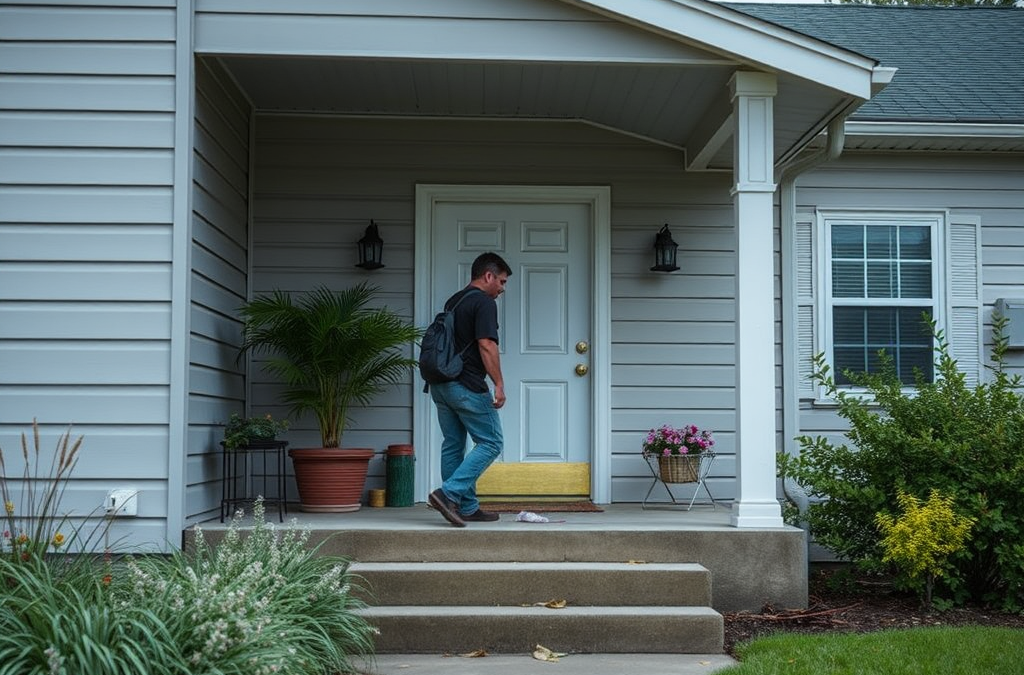
The first inspection should happen from outside, preferably before anyone enters the building. Park where the vehicle can leave quickly and avoid blocking emergency access. Walk the visible perimeter slowly, looking above, below, and around the structure. A house can appear intact while a nearby tree, retaining wall, porch, chimney, or utility connection has become unstable.
Stay away from downed electrical lines and anything touching them, including fences, puddles, branches, and vehicles. Treat every line as energized. Do not enter water that may conceal wires, open drains, sharp debris, or contaminated material. A gas odor, hissing sound, smoke, unusual heat, or damaged fuel container is a reason to move away and contact the appropriate emergency service from a safe location. Do not operate switches, vehicles, or phones close to a suspected gas leak if doing so could create ignition.
Flooding creates hazards even after water recedes. Mud can hide holes and unstable ground, while moisture may weaken floors, walls, and electrical components. Fire-affected properties may contain ash, nails, broken glass, toxic residue, and weakened framing. In areas affected by wildfire or wind, inspect for smoldering material, embers, hanging branches, and roof damage. If the building has shifted, doors or windows are suddenly misaligned, foundations show new cracks, or the roof sags, keep out until a qualified inspection is available.
Pets and children should remain in the vehicle or at a safe staging point during this assessment. Displaced animals, broken fencing, glass, and unfamiliar odors can cause pets to bolt or behave unpredictably. A common mistake is to rush inside for medication, documents, or food before checking the exterior. If an essential item is needed, tell responders or the property manager about the hazard rather than turning a quick retrieval into an avoidable injury.
Enter, Document Damage, and Check Utilities
Enter only when the exterior gives no clear warning of structural or utility danger and officials have allowed reentry. Use a flashlight during the first inspection, even in daylight, because dark rooms may contain broken glass, standing water, or damaged wiring. Avoid candles, matches, and lighters until you are certain there is no gas leak or flammable vapor. Open doors and windows only if doing so is safe and does not expose you to smoke or contaminated air.
Move through the property methodically rather than switching everything on at once. Look for water intrusion, ceiling movement, cracked masonry, loose fixtures, exposed wiring, spoiled food, and signs of rodents or other animals. Photograph and record damage before cleaning, discarding, or moving major items. Include wide room views and close images of serial numbers, damaged systems, and the surrounding exterior. Notes about the date, apparent cause, and conversations with officials can make later insurance or assistance requests easier, although documentation does not guarantee reimbursement.
Utilities require restraint. If the electrical panel, meter, outlets, or wiring is wet or visibly damaged, do not restore electricity yourself. If the gas supply was shut off or a leak is suspected, leave the system off and contact the utility provider. Do not turn water back on if pipes are broken, the property flooded, or the local water authority has issued a contamination notice. Use official instructions for boiling, filtering, or avoiding tap water; household improvisation may not address chemical contamination.
Appliances and heating equipment deserve special caution. Water-damaged furnaces, generators, refrigerators, and extension cords may fail later even if they appear dry. A qualified technician should assess equipment exposed to water, fire, or severe heat. The tempting alternative—restoring power quickly to run pumps, lights, or cooling—can worsen damage or create shock and fire hazards. Prioritize life safety, then documentation, then controlled utility restoration.
Use the phrase returning home safely after an evacuation warning ends as a sequence rather than a single moment: authorization, approach, inspection, documentation, and only then reactivation. Skipping one stage is especially risky when fatigue, darkness, heat, or pressure from waiting family members affects judgment.
Make the First Night Back Safer
Returning does not necessarily mean the home is ready for normal living. Decide whether the property can support basic needs for the next several hours: safe drinking water, usable sanitation, ventilation, lighting, medication storage, food, communication, and a reliable way to leave again. If any of these are missing, treat the visit as a short inspection and retrieval trip rather than a full return.
Food and water need a separate review. Discard food exposed to floodwater, smoke, chemicals, or prolonged loss of safe temperature control. Do not taste questionable food to test it. Canned goods with bulging, leaking, rusted, or badly dented containers should not be used. Follow local water advisories and use sealed water if tap safety has not been confirmed. A refrigerator that is running again is not proof that everything inside is safe.
Ventilation, heating, and carbon monoxide protection matter after an evacuation. Never use a charcoal grill, camp stove, or fuel-burning generator indoors, in a garage, or near doors and windows. Place generators outdoors according to manufacturer instructions and keep exhaust away from occupied areas. Check that smoke and carbon monoxide alarms are present and functional, replacing batteries if needed. If smoke, ash, mold, or chemical odor remains, limit exposure and seek advice from local authorities or a qualified remediation professional.
Prepare for renewed evacuation rather than unpacking immediately. Keep shoes, keys, identification, medication, chargers, water, and a small go-bag together. Park facing an accessible exit, keep a vehicle fueled or charged as conditions allow, and identify a backup destination. People with mobility, respiratory, or medical needs may need a shorter stay or additional support. Pets may need leashes, carriers, and bottled water because fences, local services, and familiar routes may not be restored.
A weak assumption is that the danger ended when the alert ended. Secondary flooding, falling branches, utility restoration, structural deterioration, and changing weather can create new problems. Recheck official updates before sleeping, especially if the original incident involved fire, flooding, hazardous materials, or severe wind. If warning signs appear, leave early rather than waiting for another evacuation order.
Frequently Asked Questions
Can I return as soon as the evacuation warning expires?
Not necessarily. Confirm that authorities permit access, check the route, and look for continuing hazards or neighborhood-specific restrictions.
What should I do if I see a downed power line?
Stay far away, keep people and pets back, and report it to the utility or emergency services from a safe location. Do not touch nearby objects or standing water.
Should I turn on the electricity when I get home?
Only if the system is dry, undamaged, and officials or a qualified professional have indicated it is safe. Wet or damaged panels and wiring require professional attention.
How do I know whether tap water is safe?
Follow the local water authority’s notice. Boiling may address some biological risks but does not make chemically contaminated water safe.
What if the house looks damaged but I need medication inside?
Do not enter a structurally questionable building alone. Ask emergency personnel, a property manager, or local authorities about a safe retrieval option.
Further Reading
Authoritative Sources
Academy of Nutrition and Dietetics eatright.org
Professional nutrition guidance, healthy eating resources, and practical dietitian-reviewed advice.
U.S. Department of Agriculture usda.gov
Official food, nutrition, agriculture, and consumer guidance from the USDA.
NIH Office of Dietary Supplements ods.od.nih.gov
Research-based fact sheets on nutrients, supplements, dietary intake, and safety considerations.
International Society of Sports Nutrition sportsnutritionsociety.org
Evidence-informed sports nutrition resources and position stands for active people and athletes.
Conclusion
A safe return is a controlled reentry, not simply a trip home after an alert changes. Verify the area and route first, inspect the property from outside, and treat wires, floodwater, gas odors, unstable structures, and smoke residue as reasons to stop. Once inside, document conditions before cleanup, avoid energizing wet systems, and follow official water and utility instructions. Make the first visit serve a clear purpose: assess, retrieve necessities, and decide whether the home can support an overnight stay. Keep an exit plan ready because hazards may develop after access is restored. If conditions exceed what you can safely evaluate, leave and contact qualified responders rather than attempting improvised repairs.
A missing utility update is a change in information quality, not proof that the outage has entered its final stage or will last for days. Utilities may pause public estimates while crews inspect damage, isolate a fault, wait for specialized equipment, or revise the number of affected customers. An early estimate often describes a repair path that changes once workers reach the site.
The last message still provides useful clues. Note whether it identified a cause, named a work area, gave a restoration window, or merely acknowledged an outage. “Assessing damage” is less predictive than a notice saying crews are repairing a specific transformer, but neither guarantees a finish time. A broad area estimate may also hide different restoration sequences: a hospital feeder, a residential branch, and an individual service line can return at different points.
Silence becomes more meaningful when paired with other evidence. An expired estimate, no crew activity, severe weather, blocked access, or repeated equipment failures justify planning for a longer interruption. Silence alongside visible crews, completed inspections, and power returning to nearby blocks may indicate progress. The mistake is treating either interpretation as certain.
Use estimating outage duration when utility updates stop as a rolling judgment. Record the last verified update and the time it was issued, then separate confirmed facts from assumptions. That simple distinction prevents a rumor, an old map, or a neighbor’s different circuit from becoming the basis for a household decision.
Signals That Improve a Duration Estimate
The strongest estimate combines cause, repair complexity, access, and restoration sequence. A localized equipment failure may be easier to isolate than widespread line damage, but the needed component may still be unavailable. Storm debris, flooding, ice, wildfire conditions, road closures, and continuing high winds can slow inspection before repair even begins.
Look for information from several channels, but rank it by reliability. The utility’s outage map or official account is the primary source for the affected circuit. Local emergency management may explain road closures, shelter operations, or hazards that affect crews. A verified utility phone or text alert can add detail. Neighbor reports are useful for noticing changes, but they may reflect a different feeder or a private service problem.
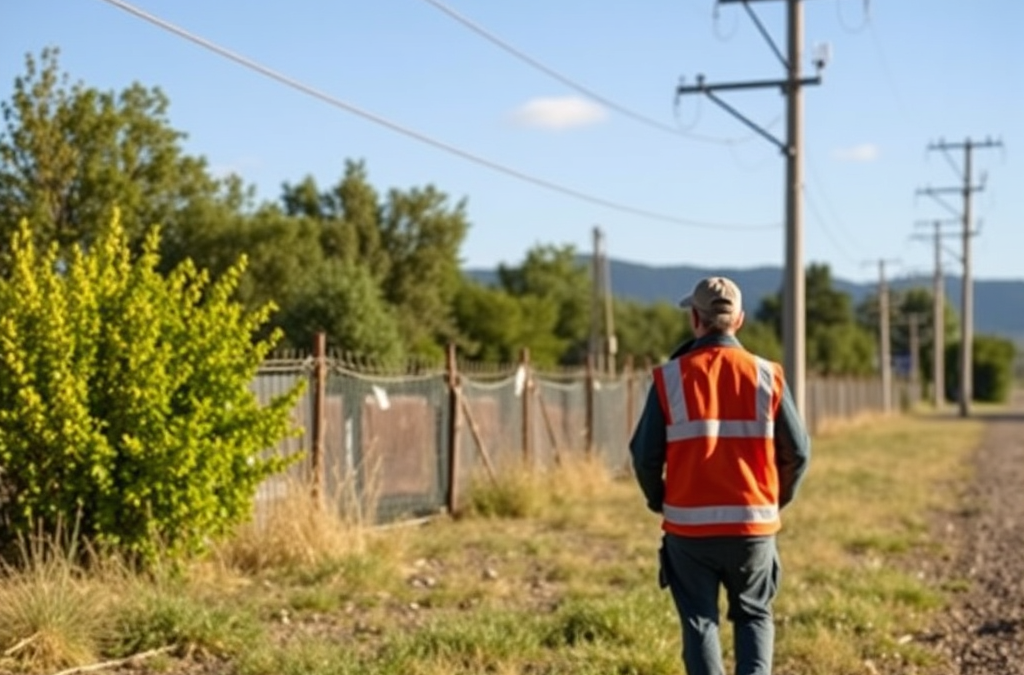
Physical observations can refine—not replace—official information. Crew vehicles, bucket trucks, line work, substation activity, and a shift from “assessing” to “repairing” suggest movement. A brief flash or a few minutes of power does not establish a stable restoration; automated switching can reroute electricity temporarily, and protective equipment may disconnect again when the fault remains.
Compare two scenarios. If a block receives power while your home remains dark, the utility may be restoring circuits in stages, or your service may have a separate fault. If the entire neighborhood remains dark and access roads are obstructed, a short estimate is less dependable. Check whether your neighbors’ lights are actually on, whether streetlights are operating, and whether your own main breaker has tripped before concluding that the utility is still responsible.
For decisions involving refrigeration, medical devices, heat, or water, use the more cautious interpretation until the condition is verified. A household can tolerate uncertainty better by preserving options than by spending all battery capacity or opening a freezer repeatedly because an unconfirmed restoration seems close.
A Practical Planning Method After Updates Stop
After the last update, create a short timeline rather than guessing a single restoration hour. Write down the outage start, last utility message, stated estimate if any, current weather, and whether nearby customers have power. Then divide the next period into planning checkpoints, such as the next several hours, overnight, and the following day. The checkpoints are for resource decisions, not predictions.
At each checkpoint, ask four questions: Has the utility identified a cause? Has the estimated time expired? Is there evidence of crew or circuit progress? What household need becomes unsafe if the outage continues? These questions connect information to action. A household using a powered medical device may need an earlier backup location than a household mainly concerned about charging phones.
Protect communication: keep one phone available for alerts, reduce unnecessary screen use, and write down important numbers while the battery remains available.
Protect temperature-sensitive needs: keep refrigerator and freezer doors closed, and avoid assuming a short flicker restored safe conditions.
Protect essential equipment: use backup power only for prioritized loads and follow the equipment maker’s instructions; never connect a generator to household wiring without an appropriate transfer arrangement.
Protect relocation options: identify a place with power, safe temperature, water, or medical support before conditions become difficult.
The best checkpoint is tied to a consequence. For example, if a battery-powered oxygen concentrator has limited remaining runtime, the decision point is not “when will the utility post again?” It is the time required to arrange a safe alternative with adequate margin. Likewise, if indoor heat is falling, plan around household temperature and occupant needs rather than an optimistic map estimate.
Use official updates to revise the plan, not to postpone every decision. When a new message gives a narrower window, verify whether it applies to your address or only to a wider area. When no update appears, retain the conservative plan while checking at reasonable intervals. Repeatedly refreshing a map rarely produces better information and consumes phone power.
Common Timing Mistakes and Better Decisions
The most common error is anchoring on the first restoration estimate. Early estimates can be useful placeholders, but they are not promises. A storm-related outage may begin with a broad estimate before crews know whether lines, poles, transformers, or customer-side equipment are damaged. When the time passes, update the plan using new evidence instead of simply adding the same number of hours.
Another mistake is treating silence as a universal signal. A utility may update a map only after a crew confirms a condition, while a communications outage may delay public notices even as field work continues. The opposite can also happen: a posted estimate remains visible after circumstances have changed. Check the timestamp and wording, especially when a message is being shared by someone else without its original context.
People also confuse restoration of the main line with restoration at an individual property. If neighboring homes have electricity but yours does not, inspect the service panel only if it is safe to do so, and look for a tripped breaker or visible damage without touching damaged equipment. Do not approach downed wires or flooded electrical components. Contact the utility or a qualified electrician when the problem appears limited to the property.
A third failure is using one estimate for every household need. Food storage, water pumping, heating, internet access, and medical equipment have different thresholds. A short outage plan may be adequate for phone charging but inadequate for a well pump or temperature-sensitive medication. Rank needs by safety and consequence, then conserve resources for the need with the least flexibility.
Keep a simple record of what changed: “no update at 2 p.m.,” “crew seen at 4 p.m.,” or “neighboring street restored at 6 p.m.” This record makes your reasoning more reliable than memory under stress. It also helps when reporting a new condition to the utility, such as a damaged line, unusual noise, or a street that remains without service after surrounding areas recover.
For more household-specific planning, review estimating outage duration when utility updates stop alongside your communications and backup-power plans. The aim is not to predict the exact minute of restoration. It is to recognize when an estimate has weakened, preserve critical resources, and move to a safer alternative before the outage creates a preventable emergency.
Frequently Asked Questions
Does no utility update mean the outage will last a long time?
No. Silence may reflect damage assessment, changing repair conditions, or delayed communications. Treat it as increased uncertainty and plan conservatively until a verified update appears.
What information is most useful for estimating restoration time?
Use the stated cause, affected area, repair status, weather, access conditions, timestamp, and evidence that nearby circuits are returning. A general outage acknowledgment provides less timing value than a location-specific repair notice.
Should a brief flicker be counted as restoration?
No. A flicker may result from automatic switching or a failed restart. Confirm stable service and check sensitive equipment before treating the outage as over.
What should a household do when an estimate expires?
Record the expired estimate, preserve batteries and fuel, protect medical and temperature-sensitive needs, and identify a powered alternative. Continue checking official sources without relying on rumors.
Why might neighbors have power while one home does not?
Homes may be served by different circuits, or the property may have a tripped breaker, damaged service equipment, or another customer-side issue. Avoid damaged equipment and contact the utility or a qualified electrician when appropriate.
Further Reading
Authoritative Sources
Academy of Nutrition and Dietetics eatright.org
Professional nutrition guidance, healthy eating resources, and practical dietitian-reviewed advice.
U.S. Department of Agriculture usda.gov
Official food, nutrition, agriculture, and consumer guidance from the USDA.
NIH Office of Dietary Supplements ods.od.nih.gov
Research-based fact sheets on nutrients, supplements, dietary intake, and safety considerations.
International Society of Sports Nutrition sportsnutritionsociety.org
Evidence-informed sports nutrition resources and position stands for active people and athletes.
Conclusion
A silent utility feed does not provide a reliable countdown, but it does signal that the last estimate deserves less confidence. Improve your judgment by checking the timestamp and wording of the final notice, identifying the reported cause, comparing verified local sources, and observing whether repair or circuit activity is actually occurring. Plan around consequences rather than hope: preserve phone power, protect food and medical needs, limit generator risks, and arrange a powered location before a critical resource runs out. Reassess at deliberate checkpoints instead of refreshing updates constantly. The practical goal is not an exact restoration prediction; it is enough warning to shift from normal outage conservation to relocation, backup equipment, or professional assistance while safe options remain available.